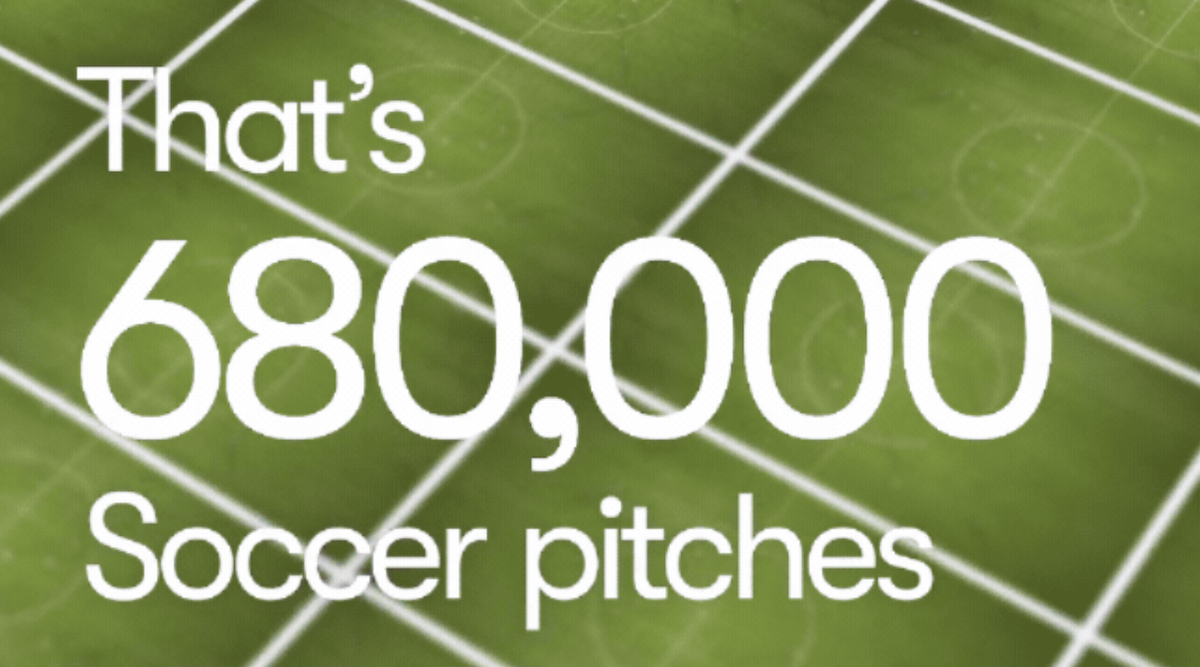
Waymo, the world's largest 24/7 autonomous ride-hailing service, is expanding across 1,400 square miles spanning 11 U.S. cities—a bold infrastructure play timed perfectly for the 2026 FIFA World Cup. Starting with Miami and rolling out quickly to Austin, Atlanta, Houston, Los Angeles, and the San Francisco Bay Area, the company is positioning itself as the transportation backbone for one of the world's biggest sporting events while laying permanent roots in communities far beyond the tournament.
The timing is deliberate. With six of its service cities set to host World Cup matches, Waymo is preparing to introduce millions of international visitors to autonomous mobility in a single, high-profile moment. The company calls this being "match-ready"—offering residents and global fans a seamless way to navigate each city, whether heading to matches in Miami or watch parties across the region. But Waymo's framing of this expansion reveals something more grounded than pure tournament hype: the company is explicitly committing to these communities long after the final whistle.
That commitment matters because it reframes how we think about major infrastructure projects tied to mega-events. Historically, Olympic Games and World Cups have left behind expensive white-elephant stadiums and underfunded transit systems. Waymo's approach suggests a different model: use the global spotlight and concentrated demand of a major event to scale up services that were always meant to be permanent, not temporary. The company's statement is direct on this point: "Our expansion isn't just about the big games; it's about the people who live here long after the final whistle. By expanding our service areas, we can reach more people for daily errands, late night trips, and special events—building community by connecting neighbors and supporting local businesses."
This philosophy aligns with how the cities themselves are thinking about hosting the Cup. Rather than building disposable infrastructure, they're investing in systems that will serve residents for decades. Autonomous ride-hailing falls neatly into that category—it addresses genuine mobility challenges in sprawling American cities while lowering emissions and reducing traffic congestion.
The scale is worth noting. Covering 1,400 square miles across 11 cities represents a significant jump in Waymo's operational footprint. For perspective, that's roughly equivalent to the geographic area of Los Angeles proper—a substantial operational challenge that demonstrates the company's confidence in its technology and logistics. The expansion also signals that autonomous vehicle infrastructure is moving beyond pilot programs and into genuinely useful service territory.
What remains to be seen is how the World Cup moment catalyzes adoption among both tourists and longtime residents. International visitors unfamiliar with autonomous vehicles may have questions or hesitations. The company will have an opportunity to prove reliability under high demand. Success during those weeks could create lasting brand trust and normalize robotaxi use in American cities.
For residents, the real measure is simpler: whether Waymo makes daily life easier and more affordable than existing transit options. The cities chosen for expansion are sprawling enough that traditional public transit often leaves gaps. If autonomous ride-hailing can fill those gaps reliably and affordably, the 2026 World Cup may be remembered less for its goals and celebrations than for the quiet infrastructure shift it enabled in American cities.