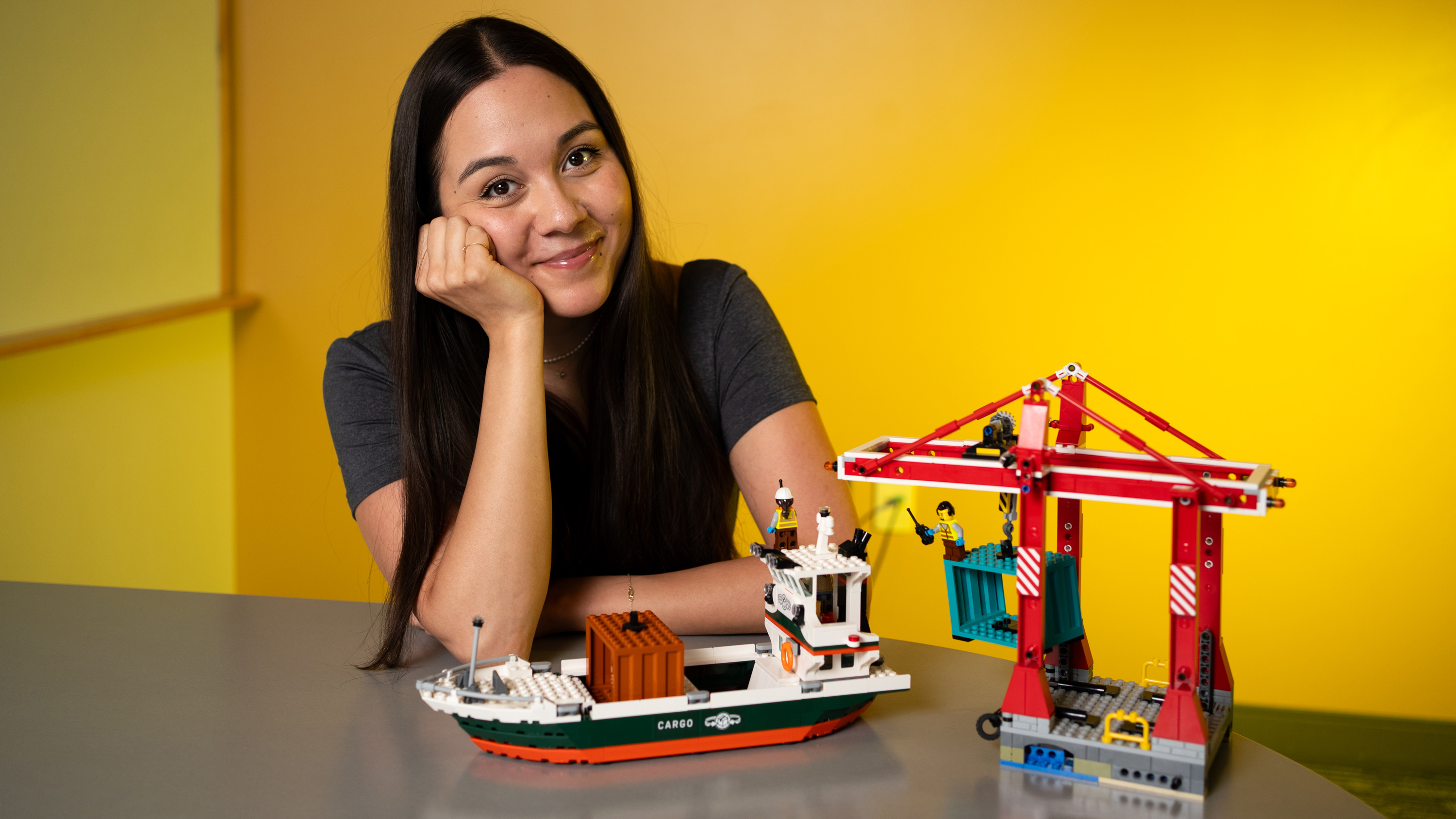
On a crisp morning in Prince Rupert, British Columbia, the rhythmic clang of cranes loading containers echoes across the harbor—a soundtrack Chelsea Mitchell knows by heart. Growing up in this blue-collar port town, where her father worked as a longshoreman, she saw how the pulse of the community beat in time with the comings and goings of cargo ships. Today, that same port is at the center of her groundbreaking research at MIT, where Mitchell, now a fourth-year PhD student in economics, is uncovering the hidden mechanics of global trade. Her work couldn’t be more timely: in 2023, a two-week labor dispute shut down 35 Canadian port terminals, exposing just how fragile and vital these hubs are. “People have become increasingly aware of the shipping industry, but we can’t ship goods without functioning ports,” Mitchell says—a truth laid bare when a single strike rippled from dockworkers’ paychecks to supermarket shelves across the country.
That strike was a turning point. It sharpened Mitchell’s focus on the economic forces shaping port operations, from automation fears to corporate consolidation. Her early research revealed that even the threat of labor disruptions can reroute global shipping lanes, with companies diverting cargo from West Coast ports to East Coast alternatives at great logistical cost. Now, she’s investigating a quieter but equally transformative shift: major shipping lines buying the very terminals they once relied on. Using vessel-tracking data, she’s found that after acquisitions, ships owned by the acquiring carrier get faster service during congestion—while competitors wait longer or reroute entirely. This preferential treatment raises urgent questions about fairness and competition in an industry where 80% of global trade moves by sea.
Mitchell’s insights are rooted in both data and deep personal connection. Her access to longshore workers, including her father’s colleagues, gave her rare firsthand perspectives during the 2023 strike. She’s now building a body of work that bridges academic rigor and real-world impact, guided by advisors Nancy Rose and Tobias Salz at MIT. “The level of support and quality of advising here has consistently amazed me,” she says. Her journey—from a coastal town with little exposure to academic research to one of the world’s top economics programs—reflects not just personal determination but the power of mentorship.
As supply chains grow more complex, Mitchell’s research offers clarity. Ports are not just concrete and cranes; they’re economic lifelines. And with climate change, automation, and corporate consolidation reshaping the industry, understanding their dynamics is no longer optional—it’s essential. For Mitchell, the mission is clear: make the invisible visible. Because when the docks fall silent, the world notices.