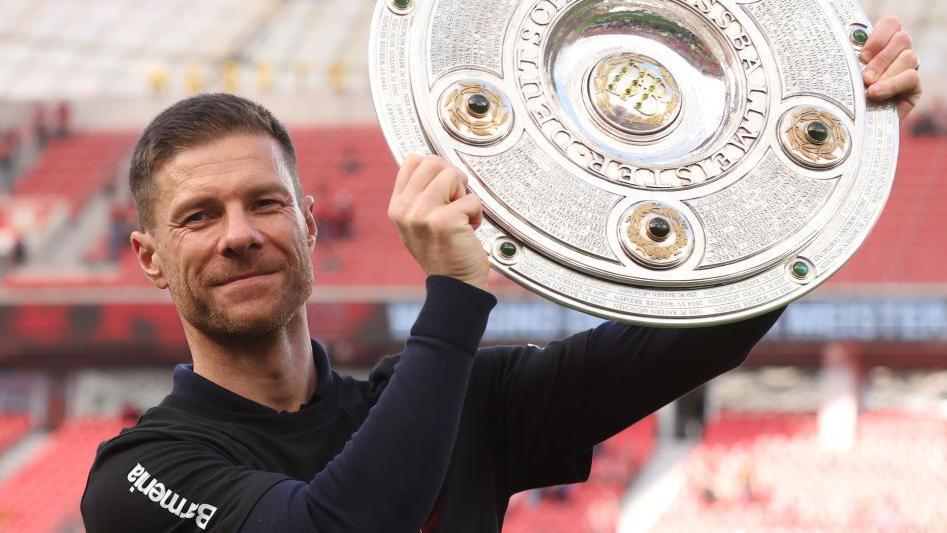
Xabi Alonso, the midfielder who lifted the Champions League trophy with Liverpool in 2005 and won the World Cup with Spain five years later, has been named Chelsea's manager—the club's third boss in a year. The appointment marks a significant moment for one of football's most decorated players, who brings a resume forged across Europe's elite stages: five years in the Premier League, trophy-winning stints at Real Madrid and Bayern Munich, and 114 caps for Spain.
The move arrives in the wake of Chelsea's FA Cup final loss to Manchester City, a sobering punctuation mark on a tumultuous season that saw the club cycle through multiple managerial regimes. For a club of Chelsea's stature and resources, this instability has been a source of deep frustration. Alonso's arrival signals an attempt to restore direction and coherence to an organization searching for lasting success.
"Chelsea is one of the biggest clubs in world football and it fills me with immense pride to become manager of this great club," Alonso said, striking a measured but purposeful tone. His opening words hit the note that Chelsea's ownership group and sporting leadership clearly wanted to hear: respect for the institution, matched with clear-eyed ambition. "From my conversations with the ownership group and sporting leadership, it is clear we share the same ambition," he continued. "We want to build a team capable of competing consistently at the highest level and fighting for trophies."
What makes Alonso's appointment compelling is not just his personal achievements, but his understanding of what it takes to win at the game's highest echelon. His playing career was defined by precisely the kind of sustained excellence Chelsea now seeks. At Liverpool, he was instrumental in a Champions League victory. At Real Madrid, he competed in one of Europe's most demanding environments. At Bayern Munich, he faced the best teams in the world season after season. For Spain, he appeared 114 times, winning the 2010 World Cup and claiming the European Championship twice—an extraordinary record of international success.
Alonso acknowledged the challenge ahead with appropriate gravity. "There is great talent in the squad and huge potential at this football club and it will be my great honour to lead it," he said. The observation is honest rather than hyperbolic. Chelsea does possess significant individual talent, though recent seasons have shown that talent alone cannot substitute for stability, clear tactical vision, and a coherent long-term plan. "Now the focus is on hard work, building the right culture and winning trophies," he added—words that suggest he understands the culture-building work lies ahead.
For Chelsea supporters weary of managerial upheaval, Alonso represents something different: a football mind formed by winning consistently across multiple European leagues, someone who has competed at every level and knows what success looks and feels like from the inside. Whether he can translate that personal excellence into sustained institutional success at Chelsea remains the central question. But with a manager who has stood in three major European dressing rooms and knows the blueprint for excellence, the club has at least chosen a guide who has studied the map.