In 1972, the Supreme Court of the United States dismissed a case about same-sex marriage with a single sentence: "The appeal is dismissed for want of a substantial federal question." No opinion. No explanation. Just nothing to see here. For the next four decades, that sentence hung over every gay and lesbian American like a dark cloud.
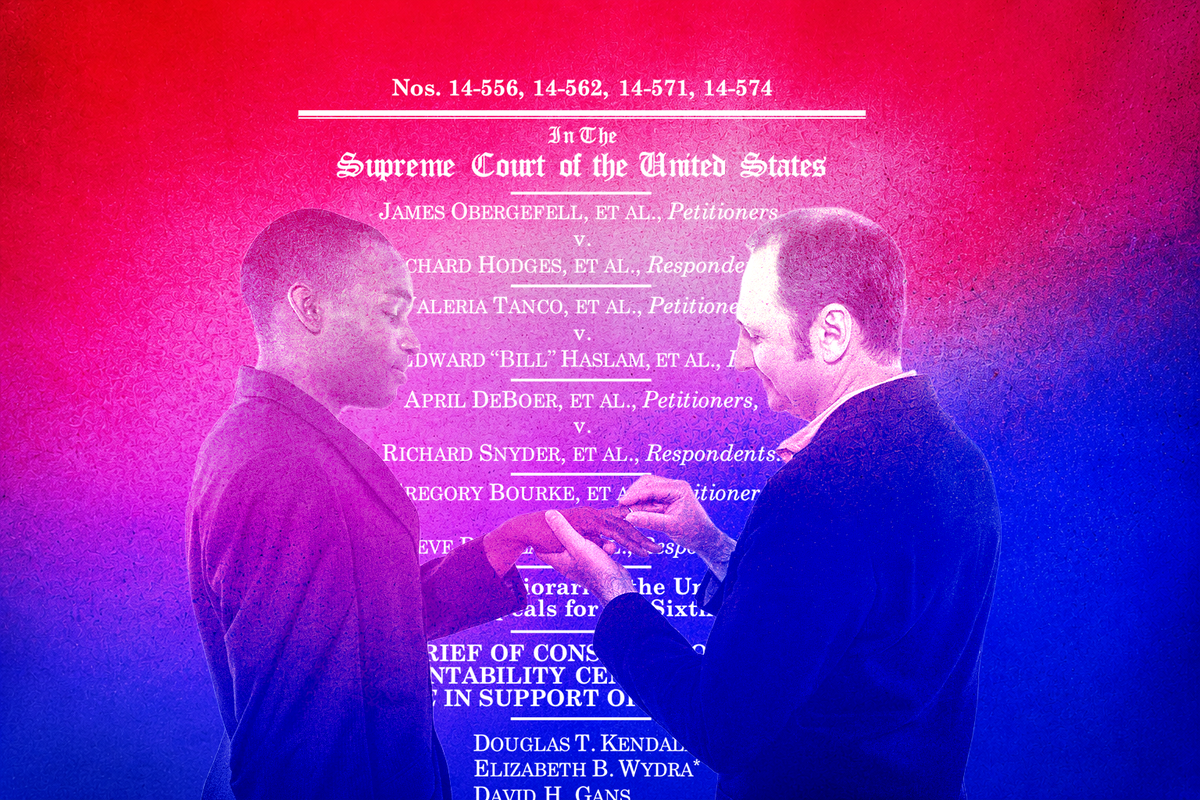
But on June 26, 2015, the same court declared that same-sex couples had the constitutional right to marry. The case was Obergefell v. Hodges, and it changed everything. How did activists flip a country in less than 50 years? That's the question Evan Wolfson—the architect of the Freedom to Marry campaign—has spent years answering.
"The people of these United States are the rightful masters of both Congresses and Courts," Wolfson writes, quoting Abraham Lincoln. That idea sits at the heart of his strategy.
When same-sex couples first started fighting for the right to marry in 1969—right after the Stonewall uprising sparked the modern gay rights movement—almost every institution turned them away. Courts said no. Politicians said no. Churches said no. Public opinion said no. In 1986, the Supreme Court went even further in a case called Bowers v. Hardwick, ruling that gay people had no constitutional right to privacy, not even in their own homes.
But Wolfson and his allies refused to accept "no" as the final answer. Instead of waiting for courts to lead, they went to work in every arena possible: state legislatures, city halls, living rooms, workplaces, and yes—courtrooms too. They convinced neighbors, religious leaders, doctors, and eventually politicians to change their minds. They won hearts before they won rulings.
This patient, multi-pronged approach mattered. By the time the campaign reached the Supreme Court again in 2015, public opinion had shifted dramatically. Same-sex marriage had won in dozens of states through votes and legislation. The court wasn't leading the charge—it was catching up to where Americans already stood.
Wolfson calls this "popular constitutionalism"—the idea that real constitutional change happens when ordinary people push for it, not just when judges decide it. Courts matter, he argues, but so do elections, conversations at dinner tables, and campaigns at the state level.
"We made ourselves seen and heard, mounting a sustained, affirmative campaign in the states, in the legislatures, and in the courts of law alongside, most crucially, the court of public opinion," Wolfson writes.
The lesson for anyone fighting for justice today is clear: change doesn't happen in a single courtroom ruling. It happens when millions of people decide to show up, day after day, year after year, until the country finally catches up to them.