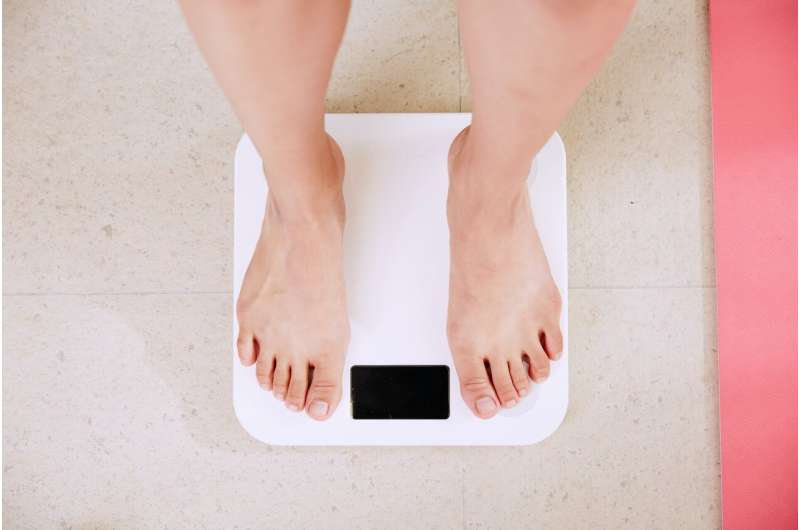
When a woman learns she's pregnant, she often knows that weight gain will follow—and she may not expect criticism about it to come from the people she loves most. A University of Alberta study tracking 463 women has found that weight-shaming from partners, family, and friends during pregnancy and postpartum is stunningly common and has serious health consequences: women who experience frequent critical comments about their weight are significantly less likely to meet nutrition and physical activity guidelines.
The statistics are striking. Eighty-five percent of pregnant women in the study felt the sting of weight stigma from their inner circle, while 74 percent experienced it after giving birth. These weren't distant strangers offering unsolicited advice—they were the people closest to them. And the impact wasn't merely emotional. Women who faced more frequent weight-shaming were less likely to eat well or stay active during pregnancy and after, and higher levels of criticism during pregnancy were linked to a lower likelihood of improving eating habits at all.
Dr. Taniya Nagpal, an assistant professor in the Faculty of Kinesiology, Sport, and Recreation at the University of Alberta and co-author of the study published in Midwifery, points to a specific example of how casual comments can undermine wellbeing. A family member telling a pregnant person that they "look like they're having twins" may feel lighthearted to the speaker, but it lands as judgment. "Remarks surrounding weight, too little or too much, may be perceived as judgmental and are really unhelpful," Nagpal explains. The reason is simple: pregnant and postpartum women spend much of their time outside the health care realm, receiving advice and commentary from friends and trusted people—meaning that inner circle becomes their most powerful influencer.
The problem, Nagpal argues, isn't just that the comments are unkind. It's that shame doesn't motivate change—it discourages it. Walk into most gyms on January 2, and you'll see before-and-after photos promising that exercise and diet alone equal happiness and transformation. Those images ignore the psychological complexities of weight, underlying health conditions, and the many barriers that make behavior change difficult. "Negative comments don't work," Nagpal says. Instead, they add another layer of pressure to women who are already navigating the profound physical and emotional shifts of pregnancy and early motherhood.
The research offers clear guidance for healthcare professionals like nurses and midwives: understanding that a patient may face weight stigma at home can reshape how they offer advice and support. Rather than assuming a woman simply needs to "eat better and move more," providers can help her identify and overcome the specific barriers she faces—which may include an unsupportive social environment.
For family and friends, the message is equally clear. Avoiding weight-related comments entirely would be ideal. But at minimum, Nagpal suggests pausing before speaking: "Is that really necessary?" It's a question that could transform the experience of pregnancy for millions of women—not by changing their bodies, but by protecting their wellbeing during one of life's most vulnerable seasons.