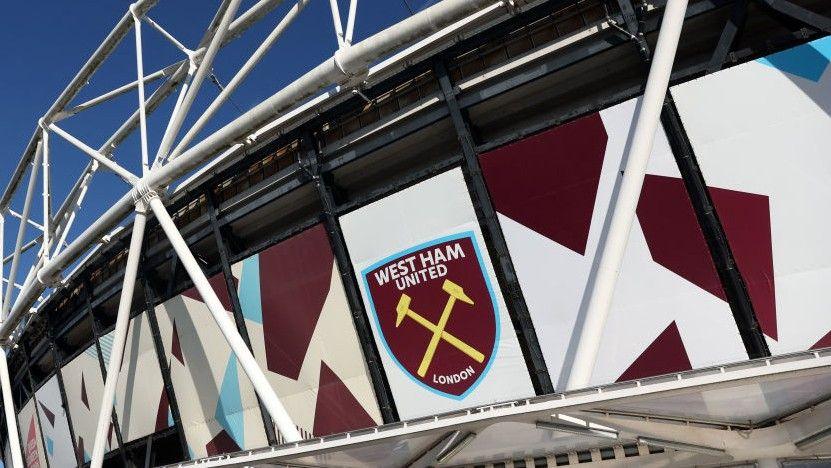
Daniel Kretinsky's shareholding in West Ham United is about to jump from 27% to 43%, making him the club's largest owner—a milestone that arrives not as a quiet business transaction but as a watershed moment for one of English football's most storied institutions. The deal comes amid a seismic upheaval: two of the club's most influential shareholders have publicly backed women who came forward in a joint BBC Panorama and Times investigation documenting allegations of sexual exploitation and predatory behaviour against longtime owner David Sullivan.
Kretinsky and Vanessa Gold, both sitting on the club's board, issued a statement after the allegations became public, saying they were "deeply concerned." They acknowledged the bravery it took for the women to speak. "Any abuse of power is abhorrent," they wrote, "and it takes great courage and determination to speak up against it." Sullivan, 77, has "categorically" denied all claims, which span decades when he accumulated wealth from pornography, newspapers, and football.
What makes this moment more complicated is what Kretinsky and Gold say they didn't know. The full board was not notified of the allegations against Sullivan until about a month ago, and other shareholders only learned of them when the investigation aired on Monday. More strikingly, board representatives—aside from Sullivan himself—were apparently unaware until this week that Sullivan had been banned from having contact with the club's women's and youth teams for the last three years due to safeguarding concerns. That restriction has been quietly in place since 2023.
The structural shift is significant. As the largest shareholder through his company 1890 Holdings (part of the broader group EP), Kretinsky will be positioned to inject additional capital the club needs. West Ham is fighting for immediate promotion back to the Premier League after their first-ever relegation in 2012—a battle where financial resources matter enormously. The club's struggles on the pitch and off it are now inseparable.
Kretinsky and Gold framed their focus with a single sentence that captures the moment's gravity: "As shareholders and directors of West Ham, our focus is now firmly on protecting the future of this football club." The share purchase agreement remains subject to approval from other shareholders and necessary regulatory clearances, but the message from two of the institution's most powerful voices is unmistakable. They are signalling that the club's culture and governance matter as much as its league position.
Sullivan built West Ham into a modern football enterprise over decades of ownership. But the allegations—brought forward by multiple women, investigated by two of the UK's most respected journalistic institutions—have forced a reckoning that no football club can ignore. The board's initial lack of knowledge about safeguarding bans and abuse allegations raises hard questions about how information flows within even the most prominent sports organizations.
For West Ham's supporters, this ownership transition arrives at a crossroads. Promotion would bring euphoria; fresh leadership committed to accountability might bring something equally vital—a sense that the club is moving toward something cleaner. Kretinsky's increased stake, paired with a public commitment to the women who came forward, offers a chance to reshape not just who owns the club, but what it stands for.