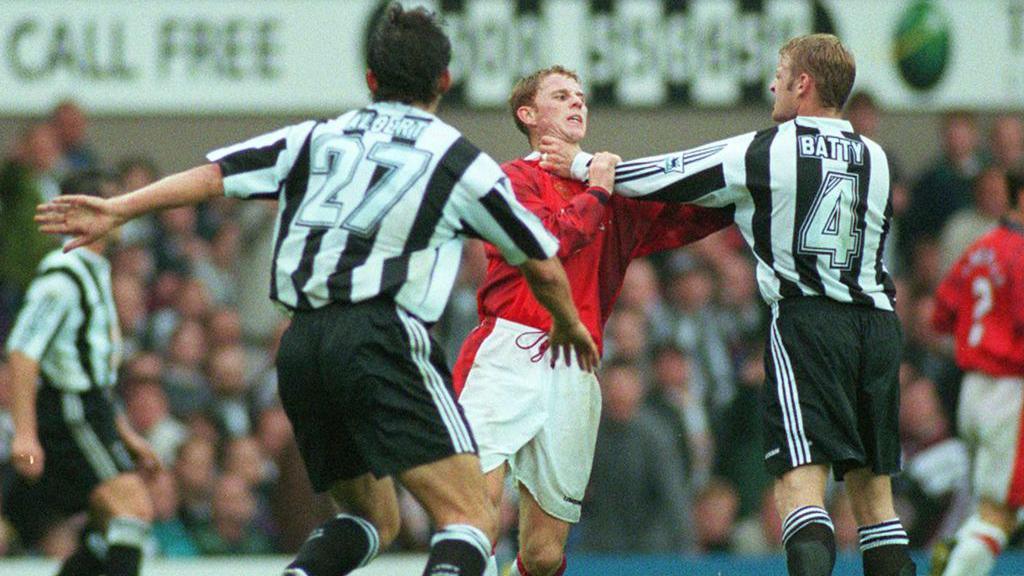
The night of June 30, 1998, David Batty stepped up to take the most nerve-wracking kick of his life. England versus Argentina. The World Cup. A penalty shootout. Everything on the line.
He missed. Argentina went through.
But what happened next says more about Batty than the miss ever could. When a fast-food company later offered him money to appear in an advert making jokes about his penalty miss, the Yorkshire midfielder refused flat out. He would not profit from the disappointment of fans who had travelled all the way to France to watch England play. "The angry Yorkshireman did not want to profit off the disappointment of those who had travelled out to the World Cup," the article notes. Classy move.
Nearly three decades later, Batty is 57 years old and still living quietly in Yorkshire — exactly where he planned to be. After retiring in 2004, he simply vanished from football's spotlight. No media jobs, no coaching badges, no corporate appearances. He told his agent, Hayden Evans, from the very beginning: "When I retire, that will be it. I won't have anything to do with the football industry." And he meant it.
When Batty's birthday rolled around last December, his old Leeds United teammates tried to wish him well through a WhatsApp group. Even his former manager David O'Leary and players like Rio Ferdinand sent messages. But nobody actually knew where he was. "I don't think anyone has seen him since we played together," said former teammate Mark Viduka, who opened a cafe in Croatia after his own career ended. Viduka seemed to understand perfectly: "In this day and age, everyone shows off everything they do in every moment, like what they had for breakfast. Who cares? If anyone was not going to be like that, it was Batts."
Those who played with Batty remember him as someone you could always count on. Former Leeds midfielder Eirik Bakke called him one of his "heroes." Bakke explained: "If someone tackled you, Batts was always there to stand up for you." Early in his career, mentor John Sheridan saw right through Batty's quiet appearance: "You would think butter wouldn't melt in his mouth when you looked at him then. But he was tough as nails. He made the game look very simple by doing the simple things easily."
Batty was part of two historic title wins — Leeds United's triumph in 1992 and Blackburn Rovers' Premier League victory in 1995. But he never let success change who he was. Teammates recall his dry jokes, his modest car, and how he never complained when things went wrong. Even when he suffered a career-threatening Achilles injury during his second spell at Leeds, he worked hard through rehabilitation without seeking sympathy.
Former Blackburn midfielder Mark Atkins hasn't seen Batty since their playing days together, despite trying to get him to team reunions. "He's not that type of person," Atkins said. "Even if he was living five miles away, he wouldn't turn up because he's a very personal guy, really."
The only public appearance Batty has made in recent years was a quiet visit to Elland Road in 2011 to lay a wreath in memory of his close friend Gary Speed, who died tragically that year.
So just what happened to David Batty? He's simply living his life, staying true to his word, and proving that sometimes the best way to win isn't on the pitch — it's knowing when to walk away.