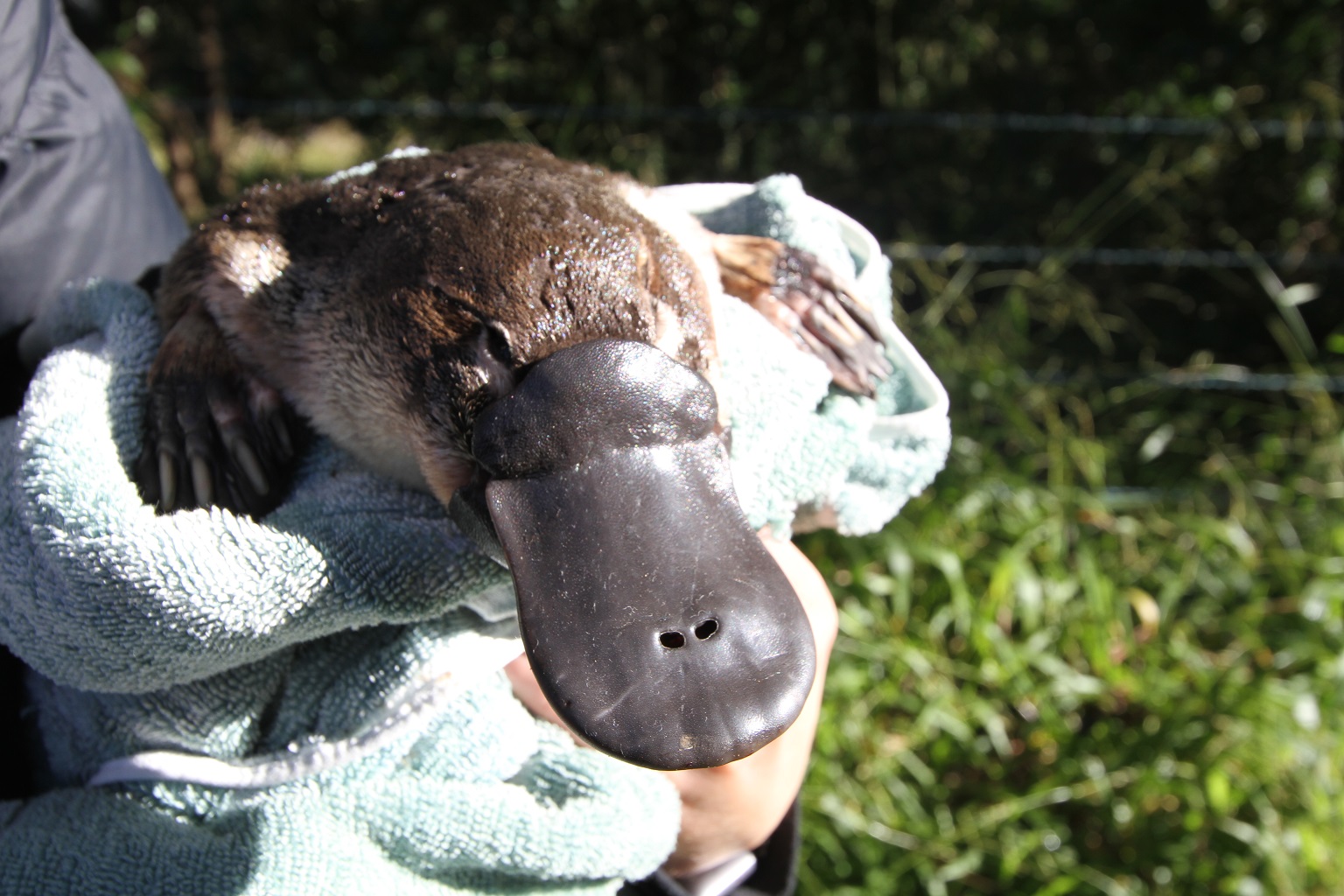
A platypus emerges from an Australian river at dusk, hunting the aquatic invertebrates that have sustained its kind for millions of years—but scientists are asking a more urgent question: where exactly does this elusive creature still live, and how do we protect it before crisis arrives?
Australia's most peculiar mammal presents a puzzle that conservation has long struggled to solve. The platypus feeds at dawn and dusk, spends much of its life submerged in rivers, and leaves few obvious signs of its presence. This secretive existence makes counting the population extraordinarily difficult: the IUCN Red List estimates about 50,000 animals remain, though researchers acknowledge the true number is uncertain. That uncertainty matters less in stable times, but it becomes critical as threats intensify. Drought shrinks the pools where platypuses feed. Bushfires damage riverbanks and nearby vegetation. Floods can inundate burrows before animals can escape. Pollution from wastewater, mining, industry, and urban runoff steadily erodes the aquatic food web these animals depend on.
The species is classified as near threatened, but the pressure is mounting faster than our ability to measure it. That's where a new conservation framework offers genuine hope. Scientists have now developed a strategy for deciding when platypuses can be helped in place and when animals may need to be relocated. Zoos are preparing for a clearer role in emergencies, including temporary care for animals stranded by drought, fire, or flood—a safety net that didn't exist before.
The real breakthrough, however, lies in how we gather information about where platypuses are. Citizen science projects mapping sightings show where the animals are still being seen, creating a living atlas of population persistence. But the most transformative tool is environmental DNA sampling: scientists collect water samples from rivers and detect platypus presence without needing to trap or even observe the animals themselves. This makes monitoring faster and more accessible to local groups, landowners, and river managers who know their waterways intimately. It closes the gap between what experts in distant cities know and what the people living alongside these rivers can measure and act on.
The platypus teaches a lesson that extends far beyond one species. Before conservation can be effective, you need a map. You need a baseline. You need a plan made before disaster strikes, not after. For river managers, protecting platypuses is indistinguishable from protecting rivers themselves: maintaining deep pools and riffles, preserving riparian vegetation, reducing pollution, and keeping waterways connected so populations don't become trapped and isolated.
What makes this moment optimistic is its clarity. The platypus is unusual, yes—but the response to its decline can be straightforward. Better data, healthier rivers, and earlier intervention would give this ancient animal a better chance of thriving in a changing Australia. The framework is being built now, while there is still time.