In Barbados, 98% of pregnant women were tested for HIV, and 98% of those who had the virus received treatment. The country has now eliminated mother-to-child transmission of HIV, a milestone built on years of work to make testing and care widely available.
The World Health Organization’s review covered 2022 through 2024. Barbados offers universal healthcare, with HIV tests and treatment free for all pregnant women. The result shows how routine care can protect babies: an HIV diagnosis during pregnancy no longer has to lead to transmission to a child. Barbados joins 26 countries recognised by the WHO for eliminating mother-to-child transmission of HIV, syphilis or hepatitis B, or for being on track to do so. WHO regional director for the Americas Dr Jarbas Barbosa called the achievement a proud moment for Barbados, the Caribbean and efforts to end AIDS in children.
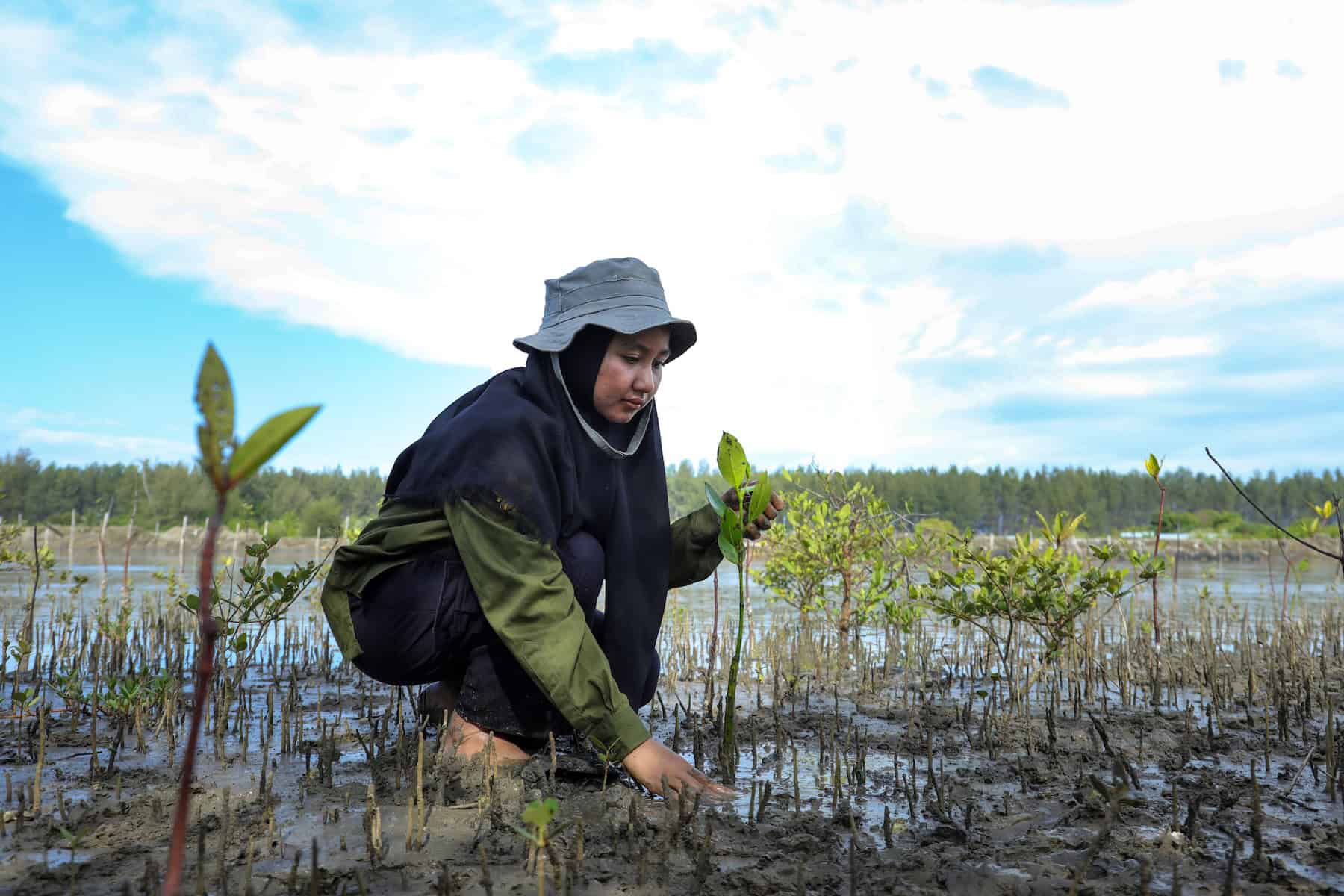
There was encouraging news for ecosystems, too. A new report from the UN Environment Programme estimates that 252 million hectares of land, marine and freshwater habitats in 149 countries are under active restoration. That area is about the size of Kazakhstan, the world’s ninth-largest country. Restoration work is supporting more than one million green jobs. UNEP executive director Inger Andersen described the effort as the beginnings of one of the largest movements for nature in recorded history.
The scale is striking, but the report also shows where work remains. Governments pledged in 2021 to restore around one billion hectares by 2030, including 30% of degraded ecosystems. Land restoration is on track, but just 23% of degraded marine and coastal areas are being revived. For freshwater ecosystems, which are shrinking fastest, the figure is only 5%. The report says annual investment must rise from $64 billion to $296 billion by 2030 to meet restoration needs. One boost came from the Green Climate Fund, which allocated a record $3.3 billion this year to climate projects in developing countries.
In the United States, environmental groups said the midterm election results offered a fresh opening for clean energy and climate action. The Sierra Club urged the incoming Congress to end fossil fuel subsidies and protect the Arctic from drilling. Evergreen Action called on Democrats to make energy more affordable and expand clean power. These are campaigners’ calls, not policies already enacted, but they show how election outcomes can shape the next debate over climate and energy.
Together, the week’s developments point to practical ways progress takes hold: free health services reaching families, large restoration projects backed by jobs and funding, and public pressure for cleaner energy. Barbados’s achievement is a reminder that steady access to testing and treatment can change what a diagnosis means for the next generation. The global restoration effort is growing, too, even as the gaps in oceans and rivers make clear how much remains to be done.