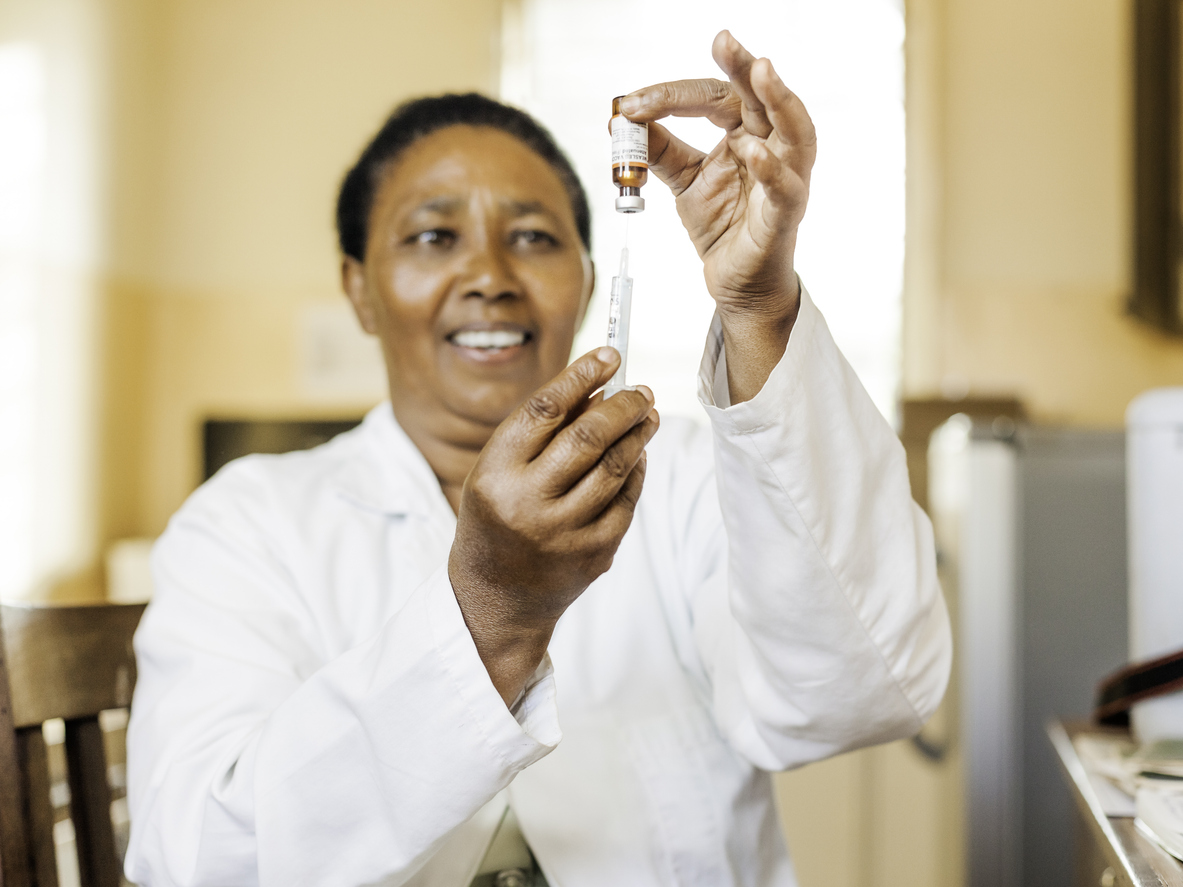
The RTS,S malaria vaccine is doing what no other public health intervention has managed at this scale: it's demonstrably saving African children's lives, one jab at a time. A landmark study published this week in the Lancet found that in Ghana, Kenya, and Malawi—the first countries to roll out this breakthrough vaccine—child mortality has dropped significantly since inoculations began. The numbers tell the story: one in eight child deaths in these nations has been prevented since the vaccine rollout, a reduction that researchers are calling a watershed moment in the fight against a disease that kills around 600,000 people annually, most of them children under five in Africa.
The RTS,S jab represents years of painstaking clinical work, but what makes this week's finding so consequential is that it proves the vaccine works in the real world, not just in controlled trials. Twenty-five African countries have now adopted malaria vaccinations for children, and the World Health Organization's Dr Kate O'Brien, who co-authored the evaluation, believes the impact will only grow. "This is very solid evidence of the potential for malaria vaccines to change the trajectory of child mortality in Africa," she said. Researchers expect similar or even better results as more recently adopting countries roll out their own vaccination programs, and a pipeline of additional vaccines under development promises to deepen this advantage.
Yet the work is far from finished. O'Brien was candid about the remaining barriers: "More financing is needed so that countries can purchase enough vaccine, along with other malaria prevention tools, to reach all the kids most at risk." The breakthrough is real, but scaling it across a continent with pressing resource constraints requires sustained investment and political will.
This week also brought encouraging news on another front where early detection transforms outcomes. Artificial intelligence has demonstrated the ability to identify pancreatic cancer up to three years before a clinical diagnosis—a discovery that could reshape treatment prospects for one of medicine's cruelest diseases. Pancreatic cancer historically gives no warning; more than 85 percent of patients are diagnosed after the disease has already spread, and five-year survival rates hover below 15 percent. Ajit Goenka, a radiologist at the Mayo Clinic in Minnesota who led the development of this AI model, captured the stakes plainly: "The greatest barrier to saving lives from pancreatic cancer has been our inability to see the disease when it is still curable. This AI can now identify the signature of cancer from a normal-appearing pancreas." Further testing lies ahead before widespread deployment, but the early signals suggest this technology could fundamentally alter survival trajectories for patients who now receive diagnoses far too late.
Across an ocean, ocean defenders also claimed victory this week. A Dutch court ruled that bottom trawling in the Dogger Bank marine protected area is unlawful—marking the first known European court decision confirming that governments have a legal duty to regulate bottom trawling's impact on protected waters. Until now, the Dutch government had permitted trawlers to plunder this protected zone without permits or environmental assessments. The verdict is already putting pressure on other European nations; Greece has already announced its own ban. As John Condon, the senior lawyer at ClientEarth who brought the case, observed: "The Dutch court has unequivocally confirmed that bottom trawling in protected areas cannot be ignored—'protected' means protected."