Northern Ireland's football team has already secured a World Cup play-off spot, but their next two Nations League matches carry stakes far larger than most teams could imagine. Manager Michael McArdle's squad faces a path that could lead either to promotion alongside Europe's elite or to demotion to the third tier—a range of outcomes that few matches can offer. Remarkably, the team remains unbeaten since McArdle took charge, yet they sit third in League B Group 2, four points behind Switzerland with two games to go.
The structure of the UEFA Nations League means that while League A teams can directly qualify for World Cup spots, League B sides like Northern Ireland must earn their place through a play-off—a distinction that adds urgency to every fixture. Promotion to League A would represent a significant step forward for a nation that has never qualified for a World Cup, offering regular competition against Europe's strongest sides and valuable experience before the play-offs commence. Conversely, a string of poor results could see them drop to League C, a scenario McArdle has explicitly identified as unacceptable.
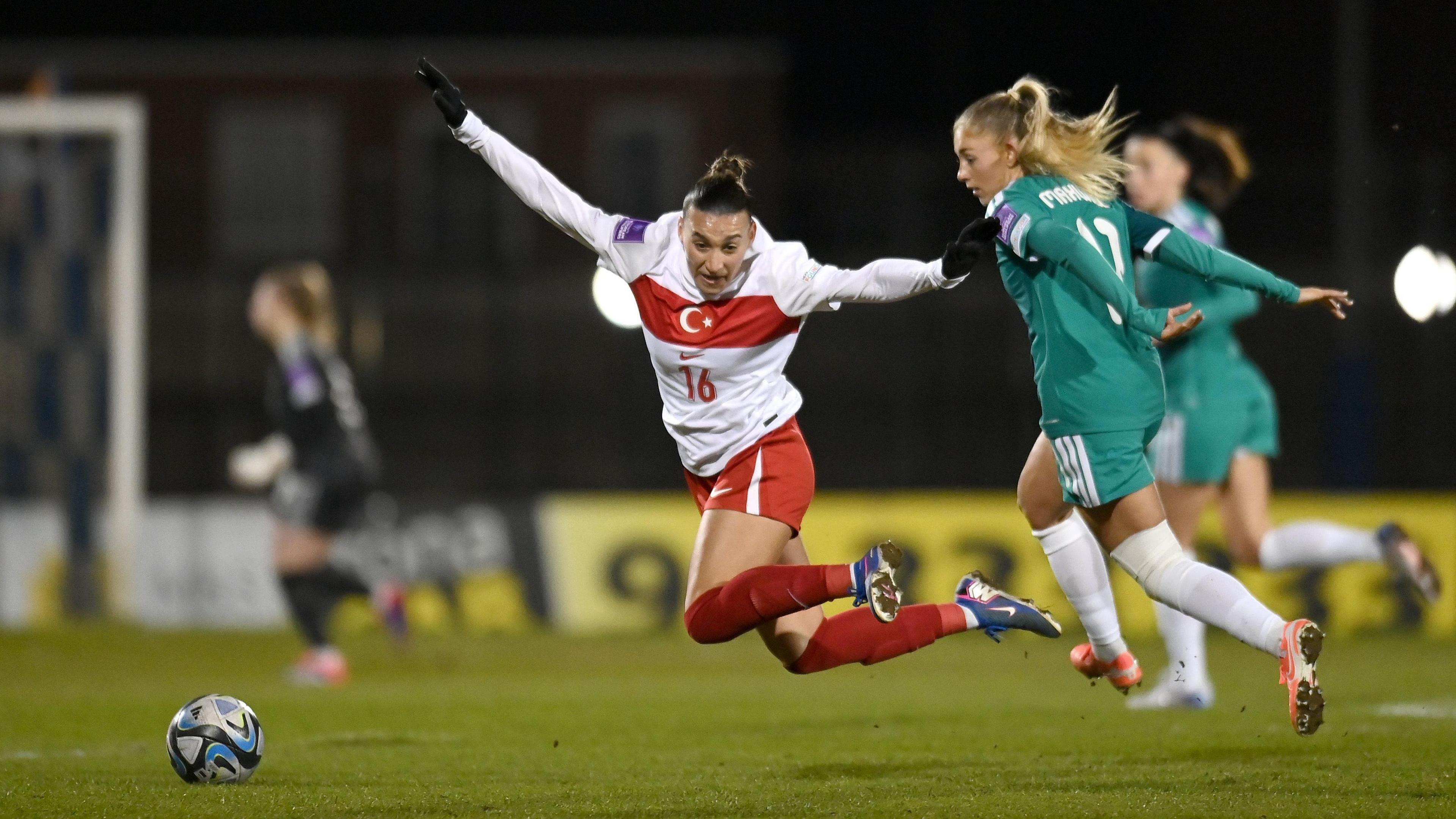
Northern Ireland's immediate challenge comes against Turkey, who sit just one point ahead in the standings. While Turkey defeated Northern Ireland 1-0 earlier in the campaign, McArdle's record so far has shown enough progress that the team can approach the fixture with genuine belief. The arithmetic for promotion to League A remains mathematically possible but unforgiving: Northern Ireland would need to win both remaining matches while both Switzerland and Turkey fail to win their other games—a sequence of results that requires near-perfect execution and considerable luck elsewhere.
McArdle has been candid about what second and third place actually mean for the play-offs themselves. The positions offer only marginal seeding differences for the play-off draw, differences he described as "irrelevant" in their practical effect. Yet he has also identified how the Nations League rankings shape future draws, giving the team a sporting incentive beyond the play-off itself.
The relegation threat looms larger than the promotion hope. The four bottom-placed teams in League B drop automatically to League C, while the two lowest-ranked third-placed finishers also face demotion. Countries like Slovakia, Latvia, Israel, Albania, and Montenegro could potentially finish third in their groups and accumulate points equal to or better than Northern Ireland's total, creating a scenario where the Irish side drops despite finishing third.
At 24 years old on average, Northern Ireland's squad represents a genuine period of transition. Manager McArdle has shown a clear commitment to embedding younger players into the senior set-up, naming uncapped Cora Chambers in his first squad and subsequently calling up Emily Cassap, who had never been involved in the senior environment before. These final matches offer what McArdle frames as an investment opportunity—a chance to test whether emerging talent can contribute meaningfully as the team prepares for its World Cup play-off adventure.
For McArdle, the message is straightforward: control the controllable. "We don't want to be slipping into League C," he said, a sentiment that captures the delicate balance Northern Ireland must navigate. These aren't glamorous matches, and they won't directly affect World Cup qualification. But they will shape the landscape for everything that comes next.