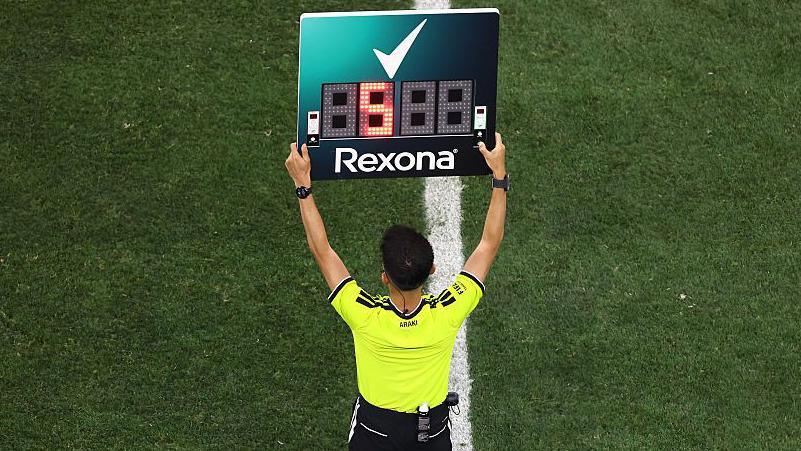
When DR Congo’s goalkeeper dawdled too long on a goal-kick during their 1-1 draw with Portugal, the scoreboard flashed a rare penalty: a corner awarded instead of a retake. It was a small moment, but symbolic of a bigger shift sweeping the 2026 World Cup. Gone are the groans when the fourth official lifts the stoppage-time board—now, just five or six minutes often appear, a stark contrast to the 10, even 12, that stretched matches past 100 minutes in Qatar. Under the guidance of FIFA referees’ chief Pierluigi Collina, football is playing faster, cleaner, and with fewer interruptions. The goal? To protect the rhythm of the game. “The objective is to eliminate, as much as possible, the disruption of the tempo of the match,” Collina said—and his plan is showing results.
Collina’s strategy wasn’t about piling on extra time, but about changing behavior. He introduced strict five-second limits on goal-kicks and throw-ins, a 10-second substitution clock, and a one-minute off-field treatment rule for injured players. The message is clear: delay the game, and you—or your team—pay. The threat of playing with 10 men for a minute has proven a strong deterrent, and players now exit the pitch swiftly. Even the video assistant referee checks on corners, once a source of delay, have been streamlined with enhanced technology and more officials, minimizing disruption.
The numbers tell the story. Matches at this World Cup average 96 minutes and 8 seconds—down from 102 minutes and 43 seconds in Qatar’s opening round. While ball-in-play time has dipped slightly to 57 minutes 22 seconds from 58 minutes 8 seconds, the proportion of active play has surged. Now, 59.38% of match time is actual football—up from 56.86% in Qatar and 56.25% in Russia. That means fans are seeing more game for less time spent waiting. Only one goal-kick has been penalized, and no substitutes have been blocked for slow exits, suggesting players are adapting. Even without the hydration break adjustments, the flow feels smoother, with fewer injury stoppages and no goalkeeper time-outs to stall momentum.
The real test will be whether domestic leagues can replicate this discipline over 380 matches a season. But for now, in the stadiums of the United States, Mexico, and Canada, football feels quicker, fairer, and more continuous. Collina’s vision isn’t just about time—it’s about respect for the game’s rhythm. And if early data holds, the sport may have found a new way to honor its pace without sacrificing fairness.