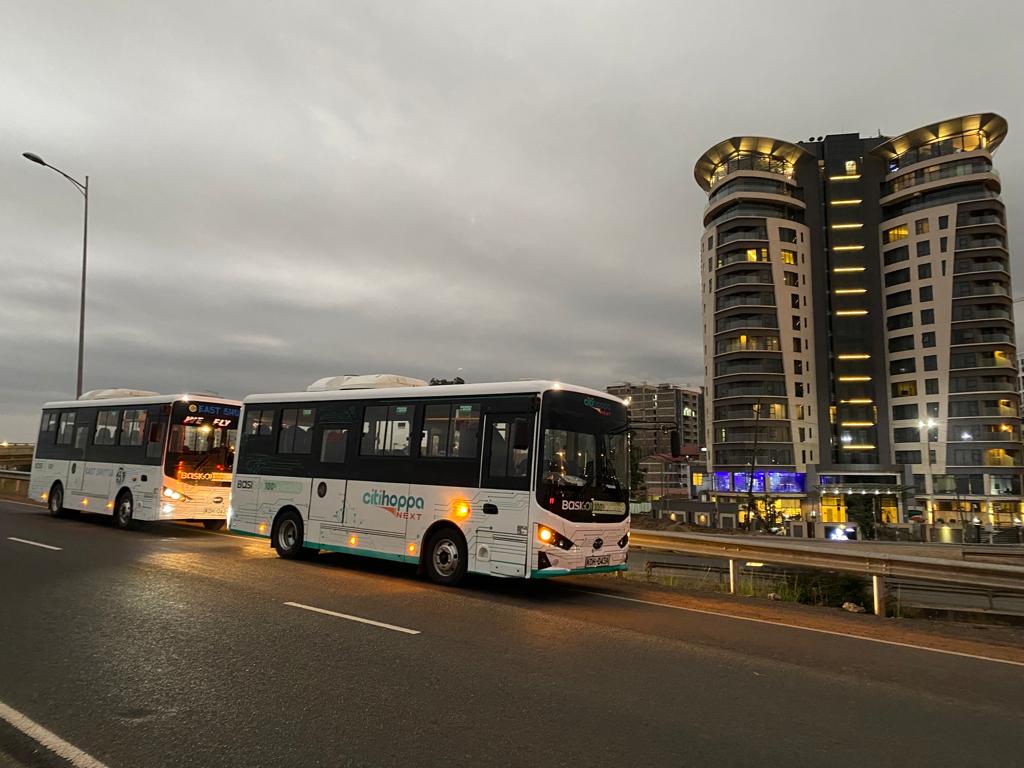
Kenya spent $5 billion last year on imported oil—money that could have built hospitals, schools, or homes—and every spike in global fuel prices ripples through Nairobi's streets within days. When tensions flare in the Gulf, bus fares rise. When bus fares rise, families cut meals. This cycle of vulnerability reveals why the transition to electric buses isn't merely an environmental choice for African cities—it's an economic lifeline.
Nearly all of Kenya's fuel is imported, and the reliance drains the nation's foreign exchange reserves with alarming regularity. For millions of Africans, buses are the lifeblood of daily life. Roughly 40% of urban journeys across African cities depend on buses, which run almost entirely on diesel. When geopolitical shocks surge fuel prices upward—as they have by 80% in recent years across East Africa—bus operators face a cruel dilemma. They can absorb the cost and watch their already thin margins disappear, or they can raise fares and push transportation further out of reach for the poorest commuters. In practice, they raise fares.
What makes this moment different is that African cities now have a proven alternative sitting right in front of them. Kenya produces more than 800 gigawatt-hours of surplus geothermal energy annually, much of it going to waste during off-peak hours when demand is low. Over 90% of the country's electricity comes from renewable sources—geothermal, hydropower, and wind. Electric buses represent a practical pathway to channel that clean energy into productive economic use while severing the connection between Nairobi's transportation system and volatile global oil markets.
The economics are shifting too. Electric buses, once dismissed as unaffordably expensive, are becoming increasingly competitive even before factoring in fuel volatility. Pay-as-you-drive models replace large upfront capital investments with predictable, usage-based costs that match daily operations. For operators already struggling with fuel shocks, this predictability alone is transformative.
Currently, electric buses make up less than 1% of Nairobi's fleet, a footprint too small to meaningfully buffer operators from global price swings. But if electric buses reached 20–30% of the fleet, they would fundamentally reshape how operators respond to fuel crises, dramatically reducing the pressure to pass costs onto commuters already stretched thin by inflation.
Beyond the mathematics of resilience, electric buses tackle Africa's air pollution crisis directly. The transport industry is a significant contributor to the continent's pollution and accelerating climate change. Electric buses produce zero tailpipe emissions, offering a straightforward path to cleaner air in cities where children breathe diesel fumes daily.
The deeper truth here is simple: Africa cannot control global oil prices, but it can control how it powers its transport systems. As long as buses run on imported fuel, African cities remain hostage to forces far beyond their borders. The transition to electric mobility is not about choosing a trendy technology. It is about choosing economic independence. For a continent that fought for political freedom, the chance to break free from energy dependence through technology already within reach is a defining opportunity.