Subaru's Solterra arrived in April 2026 with momentum that the Japanese automaker needed. The electric SUV notched 1,128 sales that month, an 18.9% jump year-over-year, marking Subaru's best EV month ever despite headwinds rippling through the broader US auto market. The result signals something worth watching: even as geopolitical turbulence and economic uncertainty dampened overall vehicle sales, certain manufacturers are finally cracking the code on translating EV curiosity into actual purchases.
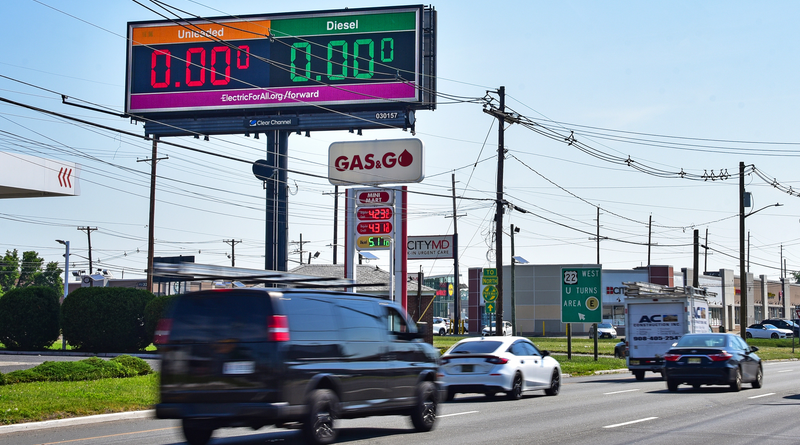
The broader context matters here. While interest in electric vehicles has hummed along in the background for years, converting that attention into showroom traffic has proved elusive. Early 2026 brought fresh obstacles—the stagnation of federal EV tax credits and the shock of sudden fuel price spikes following military action in Iran created hesitation among buyers considering major purchases. Yet pockets of growth appeared. In April, when overall light-vehicle sales sputtered and the anticipated "spring bounce" failed to materialize, Subaru's EV division defied the trend.
The Solterra itself had undergone a meaningful refresh. The 2026 model year brought a 25% range increase over its predecessor, with the top-tier XT variant now delivering 288 miles per charge and 338 horsepower. Charging speeds improved dramatically too—the new battery preconditioning system could push the vehicle from 10 to 80% capacity in roughly thirty minutes using 150 kW charging speeds. Pricing remained grounded at $38,495 to start, undercutting many competitors while offering substantially more capability. The addition of Tesla Supercharger access through a new partnership removed another friction point for potential owners weighing the practical realities of EV ownership.
The momentum extended beyond the Solterra. Subaru's newly launched Trailseeker and Uncharted EVs contributed 409 and 519 vehicles respectively in April, suggesting that the company's broader electrification strategy was resonating. Even as traditional gasoline sales declined 5.9% year-over-year for the month, the EV lineup pulled in the opposite direction—a telling split that revealed where customer energy was actually flowing.
Industry observers pointed to multiple factors. Elevated fuel prices certainly factored in; so did the expanding charging infrastructure now embedded into everyday travel, with fast-food chains nationwide adding stations. But perhaps equally important was the reputation angle. Subaru leaned into its track record of community commitment, a positioning that appeared to matter to the buyers considering the switch. The company had earned recognition for four consecutive years on Forbes' Best Brands for Social Impact list, a credential that spoke to values beyond pure performance specifications.
The used EV market reinforced the trend. April saw used electric vehicle sales hit 42,080 units, up 16.7% year-over-year and climbing to a record 2.8% of overall used vehicle sales. Tesla led the segment, but Hyundai, Chevrolet, Ford, and BMW all logged strong numbers, creating a cascade effect—early EV adopters upgrading to new models freed up affordable used options for cost-conscious buyers.
Looking ahead, other manufacturers signaled similar momentum. Toyota, Lexus, Rivian, Cadillac, and Lucid all reported EV sales gains in the first quarter of 2026 compared to the year prior. Ram even recorded its first quarterly EV sales, a watershed moment for the truck-focused brand. The landscape was shifting, incrementally but visibly, toward a future where electric vehicles weren't niche products but genuine alternatives gaining real traction in the American market.