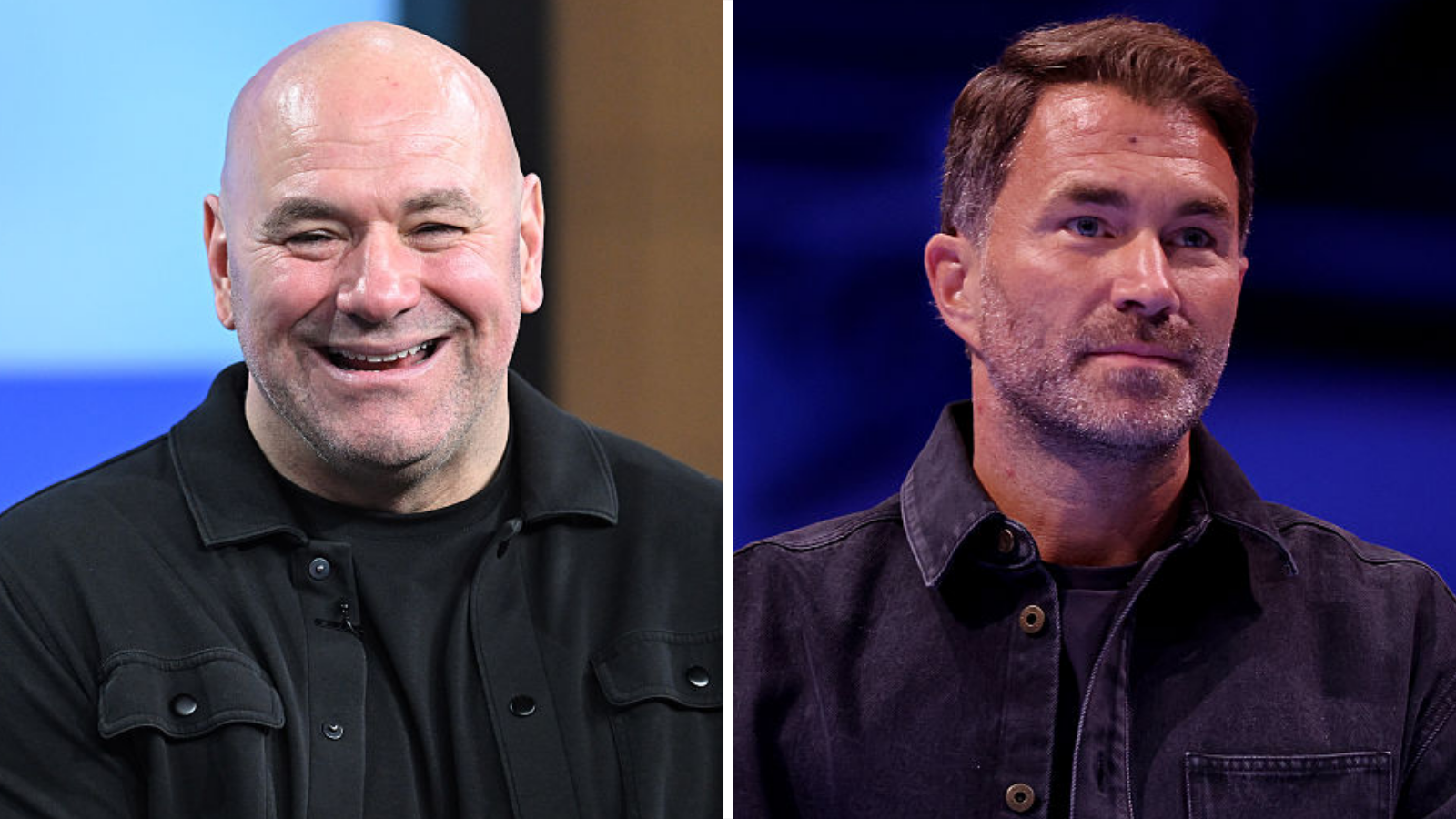
Dana White, the man who built the UFC into a global empire, is stepping into boxing—and he's doing it with Saudi Arabian money and a willingness to upset every establishment rule in the sport. Zuffa Boxing hosts its first UK event on Saturday night in Bournemouth, a beach town where British fighter Chris Billam-Smith will headline against Ryan Rozicki, marking a significant moment for a promotion that has already shaken the boxing world in its first six months.
The new company arrived with a bang. In February, Zuffa Boxing pulled welterweight Conor Benn away from Eddie Hearn's Matchroom stable in a dramatic signing that set off an undeclared war between two powerful promoters. Since then, White has continued recruiting UK talent, particularly in the cruiserweight division where he's signed four new fighters now competing on Saturday's card. Former IBF cruiserweight world champion Jai Opetaia also defected from Matchroom to Zuffa Boxing, and is rumoured to face the winner of the Billam-Smith bout.
What makes Zuffa Boxing genuinely different is not just the money behind it, but the deliberate rejection of boxing's existing power structure. White has pledged to sidestep the traditional WBC, WBA, WBO and IBF title belts entirely, instead creating his own Zuffa championships across eight weight divisions—one champion per weight class. When Jai Opetaia defeated Brandon Glanton in March to become Zuffa's first champion, he was stripped of his IBF title, a bold move that revealed exactly how willing White is to challenge the sanctioning bodies that have governed boxing for decades. He's even signalled plans to change the Muhammad Ali Act, a 2000 US law designed to protect boxers' rights, which could eventually allow his Zuffa belt to be recognised as a legitimate world championship without needing cooperation from traditional sanctioning organisations.
Yet what stands out most from Zuffa's Bournemouth arrival week is not the boardroom drama—it's the athlete experience. The promotion ditched the traditional Wednesday press conference that British promotions like Matchroom, Queensberry and Boxxer livestream to the world. Instead, Zuffa scheduled individual media time slots with each fighter, allowing them to return to their hotels and rest. Only Friday's ceremonial weigh-in is being broadcast live, featuring other celebrities and athletes for a Q&A. Billam-Smith, fighting in his hometown for the fourth time, was effusive about the difference this made. "I've felt really valued with Zuffa," he told BBC Sport. "How they do things on fight week is phenomenal, they have therapists and nutritionists on site and it's been a real eye-opener for my team. That's how it should be—it's fighter first and it feels that way."
The rivalry between White and Hearn has spilled onto social media, with both joking about fighting each other in separate interviews. After White signed Benn and Opetaia from Matchroom, Hearn responded by signing UFC heavyweight champion Tom Aspinall to his newly formed talent agency, then publicly called for White to release him from his UFC contract, claiming Aspinall isn't being paid his worth. The business move feels almost petty, yet it underscores the stakes: two powerful executives are now openly competing across multiple sports, reshaping the landscape of elite combat sports promotion in the process.