A small battery startup from New York is helping reshape how the US electrical grid handles renewable energy, and its latest work is turning heads at one of America's top research labs.
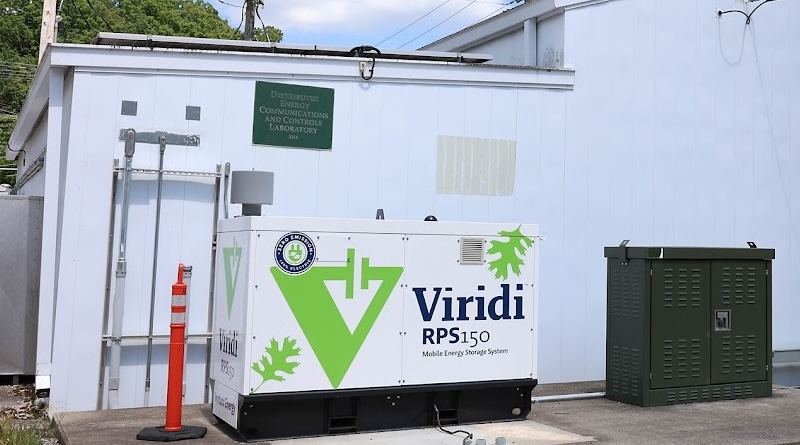
Viridi's container-sized lithium-ion battery system was installed at the Department of Energy's Oak Ridge National Laboratory in Tennessee earlier this year. The lab is testing how to coordinate many batteries at once across something called a distributed energy resources network — basically, a web of small power sources like rooftop solar panels, neighborhood wind turbines, and neighborhood batteries that work together like a team instead of relying on one big power plant.
The project started with computer simulations to predict how the batteries would behave. Now, Viridi's real battery is running live trials to see if those predictions hold up.
So far, the results look promising. ORNL Program Manager Dr. Madhu Sudhan Chinthavali said the work "bridges an important gap by integrating real electrical equipment to understand realistic performance challenges, proving the robustness of ORNL's new control strategies."
That matters because the US electricity system was mostly built decades ago around big central power plants. As more wind turbines and solar panels feed power into the grid, utilities need better ways to manage the flow — especially when the sun isn't shining or the wind isn't blowing. Batteries that can communicate and coordinate with each other could help keep lights on without building expensive new gas or coal plants.
Viridi isn't stopping at the lab. The company has also signed a deal with Budderfly, an energy-as-a-service startup, to install its batteries at 100 commercial locations across the country. Meanwhile, Viridi was picked to join the Accelerating Resilient Infrastructure Initiative, a Schneider Electric-led effort with about 20 participants working on community-based energy projects.
Beyond batteries, another piece of the grid modernization puzzle is coming from the UK-based startup IONATE. The company has built a device called HIT, short for Hybrid Intelligent Transformer, which helps power flow more smoothly through the grid. A General Motors factory in Romulus, Michigan will host the first US use of this technology, which can support 33 percent more renewable energy sources while using existing infrastructure rather than digging up streets to lay new cables. According to GM, the system gives operators real-time visibility into power quality and can catch problems like surges before they cause outages.
The natural gas industry has contributed little new power to the US grid since January 2025, when a turbine backlog and other delays slowed construction of new plants. For communities looking to keep the lights on affordably while cutting pollution, the rapid rise of smarter, more flexible grid technology offers a reason for optimism.