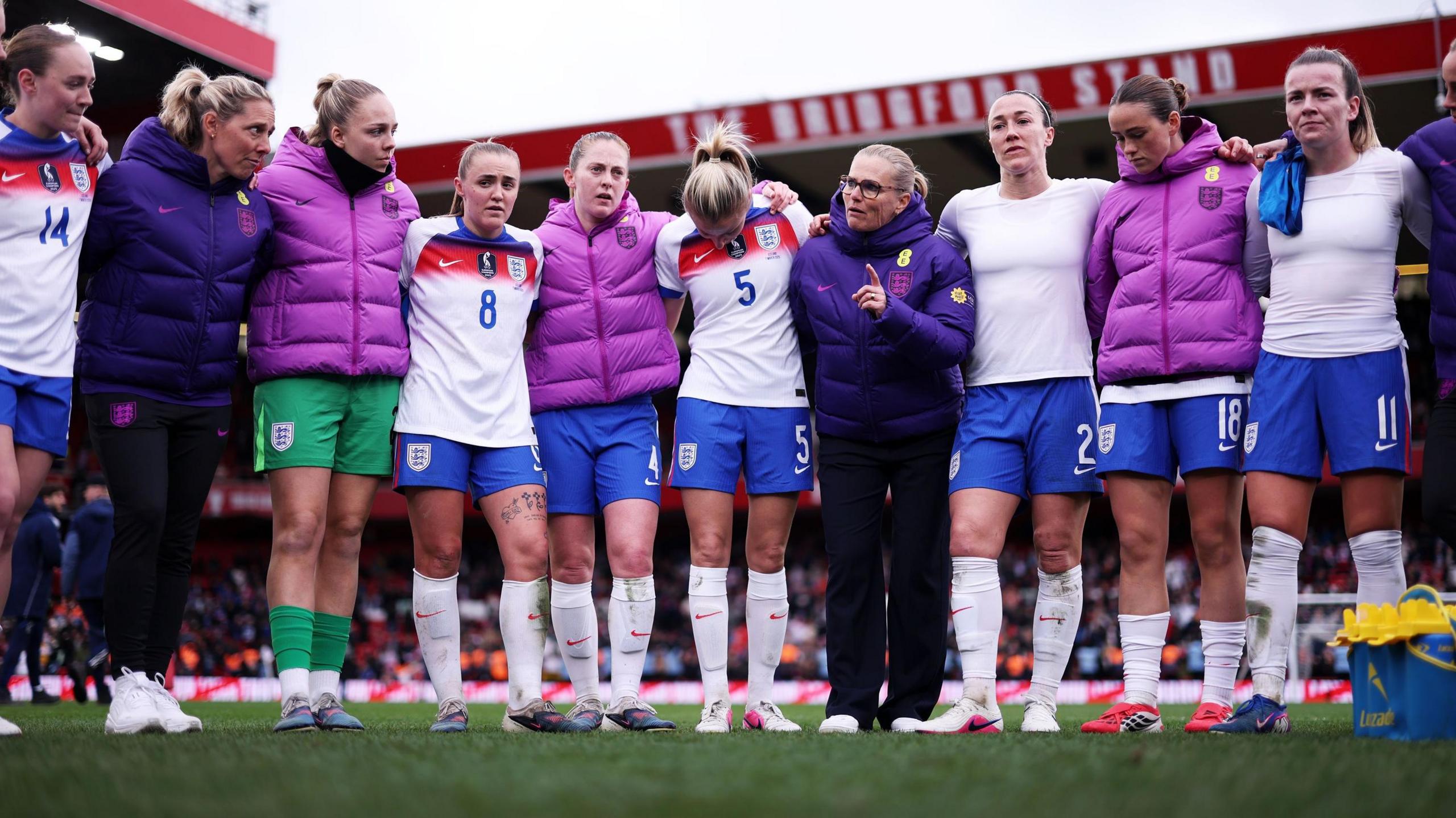
When Sarina Dingley walks onto the touchline with her UEFA Pro Licence, a master's degree in sports coaching, and a degree in sports science, some people still assume she must be better with "those little ones" than with elite athletes—simply because she is a woman. The 42-year-old coach has spent years fighting the assumption that maternal instincts and empathy somehow disqualify her from leading at the highest levels of football, even as she watches less-qualified male coaches manage far older age groups without question.
Women's coaching representation in professional football remains stubbornly stuck, despite growing numbers of qualified female coaches and, this season, explicit new rules from FIFA requiring at least one female coach in women's tournament teams. The problem isn't a pipeline of talent—it's a leaky system that fails to convert female players into coaches in the first place, combined with cultural barriers that make the coaching room feel unwelcoming to women who do pursue the role.
The structural disadvantage is stark. In men's football, every academy player aged 16 to 18 in the English Football League and Premier League system receives their UEFA C Licence through the Professional Footballers' Association, automatically putting roughly 1,000 coaches per year on the career ladder. Women's football, until recently, had no such guaranteed pathway. The PFA only began supporting Women's Super League players this season and only just started including second-tier players. That means countless generations of female players exited the game without ever stepping onto a coaching journey—eliminating the talent pool from which future leaders are drawn.
"If you can't see it, you can't be it," Sarah Owen, chair of the Women and Equalities Committee, said simply. The visibility problem crystallised in April when Marie-Louise Eta became the first woman to manage a men's team in one of Europe's top-five leagues, taking an interim role at Union Berlin. Rather than celebration, she faced a torrent of sexist comments—a reality Eta herself refused to dignify but which prompted Union Berlin's football director Horst Heldt to call the situation "insane."
The barriers extend beyond pathways and into culture. Dingley's testimony to Parliament highlighted how decision-makers remain "largely male," leaving women to wonder how open such leaders actually are to hiring them. When female coaches do rise to prominence, social media becomes a weapon: Owen pointed to women reaching peak careers in sport only to be "absolutely torn down" online to an extent that impacts not only the individual but discourages others from pursuing the role at all.
There are glimmers of progress. In the English Women's Super League, seven of 14 clubs (50%) now have female head coaches—Arsenal, Aston Villa, Birmingham City, Charlton, Chelsea, Crystal Palace, and West Ham. Add WSL 2's four female managers out of ten teams, and women hold 46% of managerial positions across the two divisions. FIFA has also launched a female health and performance project to better equip coaches to support women athletes. The FA has committed to "increasing the number of female coaches at all levels" through clearer pathways and tailored development.
But as Owen observed, these measures cannot be quotas divorced from culture change. "It's sad it didn't happen organically," she said. "But at the current rate of change, we wouldn't see any change." The next threshold isn't more qualifications or rules—it's dismantling the assumptions that cost women like Dingley opportunities she was overqualified to deserve in the first place.