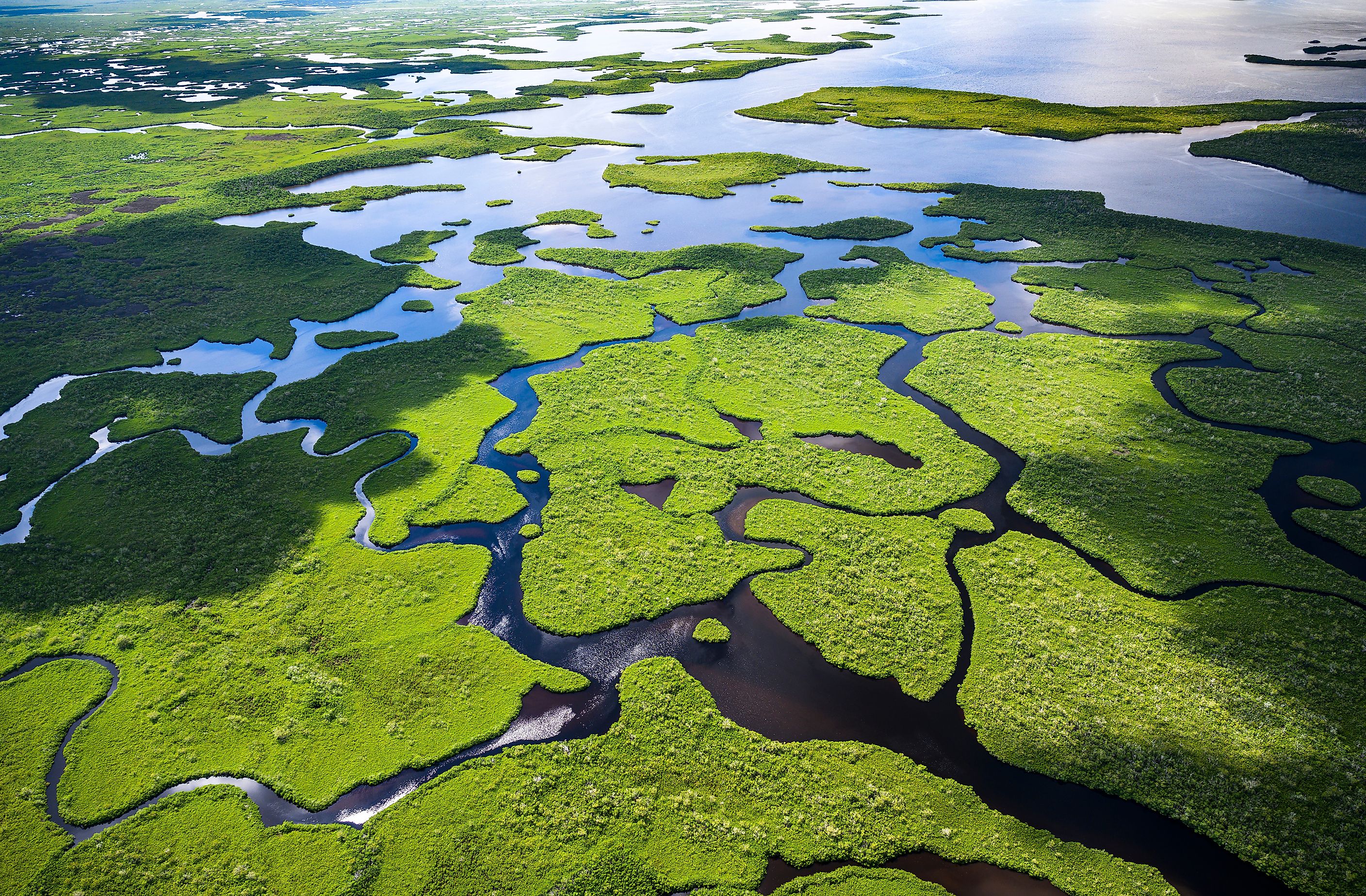
When the morning mist rises over the Pantanal, the world’s largest tropical wetland, jaguars pad silently through flooded grasslands, caimans slip into dark waters, and pink river dolphins vanish into labyrinthine channels. This 14-million-hectare expanse across Brazil, Bolivia, and Paraguay is just one thread in a global web of wetlands that, despite covering only 6% of Earth’s land, sustains 40% of all plant and animal species. From the peat bogs of Siberia to the mangroves of Bangladesh’s Sundarbans, wetlands are quiet powerhouses of biodiversity and planetary health. They filter drinking water, buffer cities from floods, grow rice for half the world’s population, and nurture fisheries that feed millions. Yet for all their quiet labor, wetlands are vanishing three times faster than forests, their value long overlooked—until now.
The Ramsar Convention’s Global Wetland Outlook 2025 puts a number to their worth: $39 trillion in ecosystem services every year, nearly 36% of global GDP. That staggering figure reflects not just their biological richness but their functional necessity. The West Siberian Lowland, the planet’s largest inland wetland at over 2.5 million square kilometers, stores vast amounts of carbon in its peat—more per acre than most rainforests. Meanwhile, coastal mangroves and salt marshes, though scattered along shorelines, are among the most productive ecosystems on Earth, shielding coasts from storms while nurturing juvenile fish and crustaceans.
Wetlands thrive in transition zones—where land meets water, freshwater meets salt, tides ebb and flow. That dynamic edge creates unmatched biological productivity. In the Sundarbans, a UNESCO World Heritage site and home to the Bengal tiger, mangrove roots trap sediment and filter pollutants, creating nurseries for fish and barriers against cyclones. Inland, oxbow lakes and seasonal pools pulse with life, supporting birds, amphibians, and insects that ripple through food webs. Even urban wetlands, like restored marshes along city rivers, now prove their worth in flood control and air and water purification.
Yet since 1970, the world has lost over 35% of its wetlands, drained for agriculture, paved for development, or degraded by pollution. The consequences are already visible: stronger floods, dirtier water, disappearing species. But awareness is rising. Countries are designating new Ramsar sites—wetlands of international importance—and communities are restoring degraded marshes and peatlands. In Brazil, Indigenous stewardship is helping revive parts of the Pantanal. In Indonesia, mangrove replanting has become a national climate strategy.
The science is clear: protecting wetlands isn’t just conservation—it’s survival. As climate change accelerates, these water-rich landscapes will be among our most vital allies. The quiet resilience of the wetland, long misunderstood as wasteland, may yet prove to be one of Earth’s best defenses.