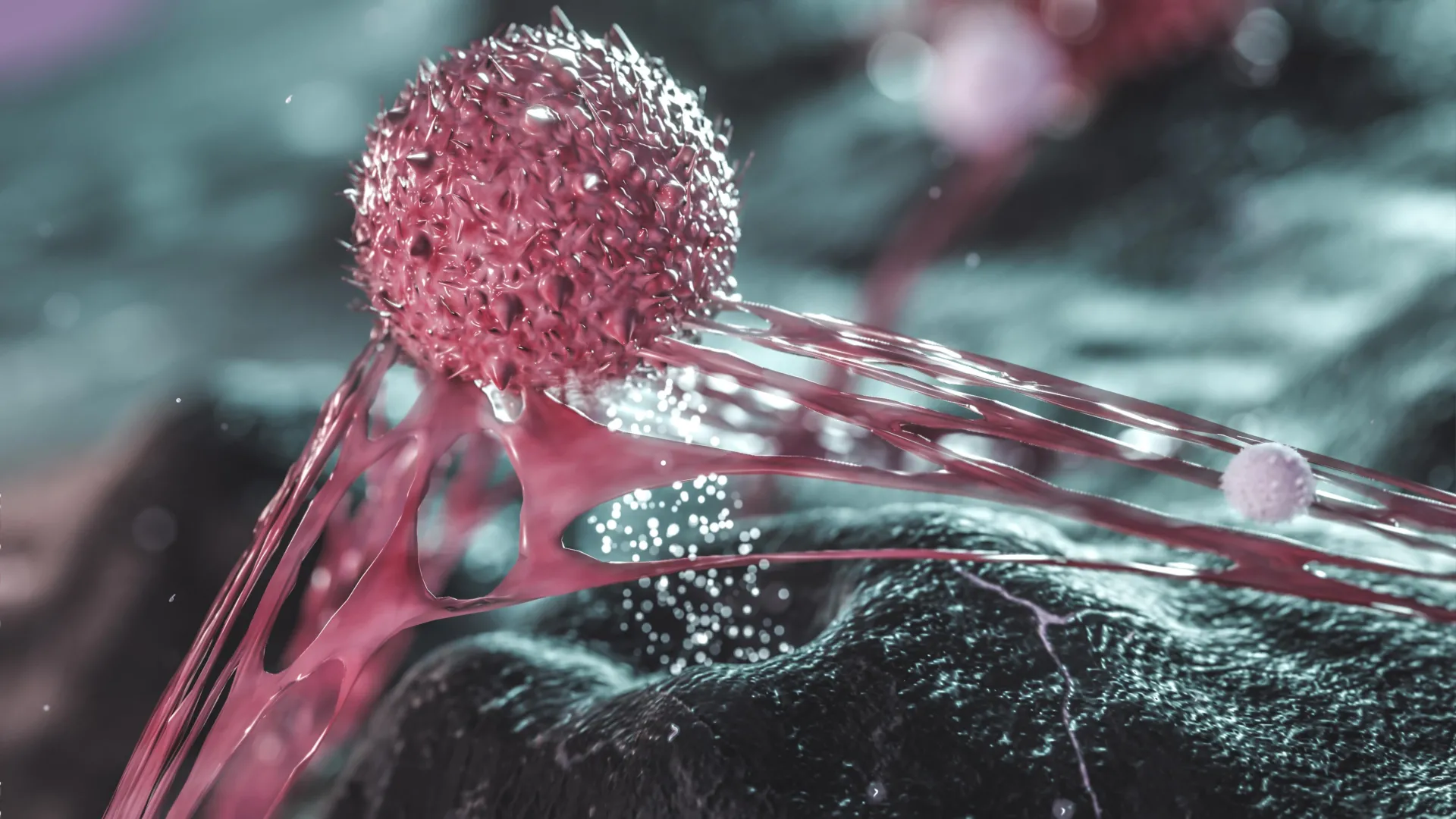
Mitchell Fane has a puzzle on his hands: melanoma spreads most aggressively in middle-aged mice, less so in the young, and even less in the very old. That counterintuitive finding from Fox Chase Cancer Center, presented at the American Association for Cancer Research annual meeting, challenges everything researchers thought they knew about cancer and aging—and may explain why promising lab therapies so often fail when tested in humans.
The discovery matters because cancer research has a hidden blindness. Fewer than 10% of mouse experiments use aged animals. Instead, researchers typically work with mice roughly corresponding to humans in their early 20s—young animals with healthy, intact immune systems. That gap may help explain why many cancer therapies that perform well in the laboratory ultimately fail in human clinical trials, where the majority of patients are middle-aged or older.
"The vast majority of studies are done in these very young mice that have a healthy and intact immune system," said Fane, a cancer biologist who specializes in aging and cancer and led the study. The implication is stark: we have optimized cancer treatments for people who rarely get cancer.
The researchers believe a specialized group of immune cells called gamma delta (γδ) T cells hold the key to the mystery. These cells act as an early defense system, preventing cancer from spreading throughout the body. Young mice and very old mice had higher levels of these protective immune cells, and their tumors were more likely to remain dormant or spread less aggressively. Middle-aged mice told a different story. They had fewer γδ T cells, and melanoma was far more likely to spread to organs such as the lungs and liver.
More striking still, the team discovered that melanoma cells can actively weaken the immune system as animals age. In middle-aged mice, cancer cells released molecules that suppressed or exhausted γδ T cells. As those defenses weakened, previously dormant cancer cells became active and spread aggressively. When researchers removed γδ T cells from young and very old mice, melanoma spread increased significantly—proof of the cells' protective role. Conversely, blocking the signals that suppress immune activity restored protection and reduced cancer spread in middle-aged mice.
The practical barriers to this kind of research are real. Young mice are cheaper and easier to obtain, while aged mice require long-term care and breeding. Researchers must typically wait 18 to 24 months before mice reach an age suitable for aging research. To address that challenge, Fane and colleague Yash Chabra, both Assistant Professors in the Cancer Signaling and Microenvironment Research Program, helped establish an aged mouse facility at Fox Chase Cancer Center. "Now we have a facility with established aged mouse colonies, which lowers the cost and time barriers to aging research," Fane said.
The implications reach far beyond the laboratory. Although cancer risk generally rises with age, rates unexpectedly decline among people over 80 to 85 years old—another paradox Fane's work may help explain. Understanding how aging affects cancer could lead to more effective treatments for older adults, the population most affected by the disease. And it may finally close the gap between what works in young mice and what actually helps human patients.