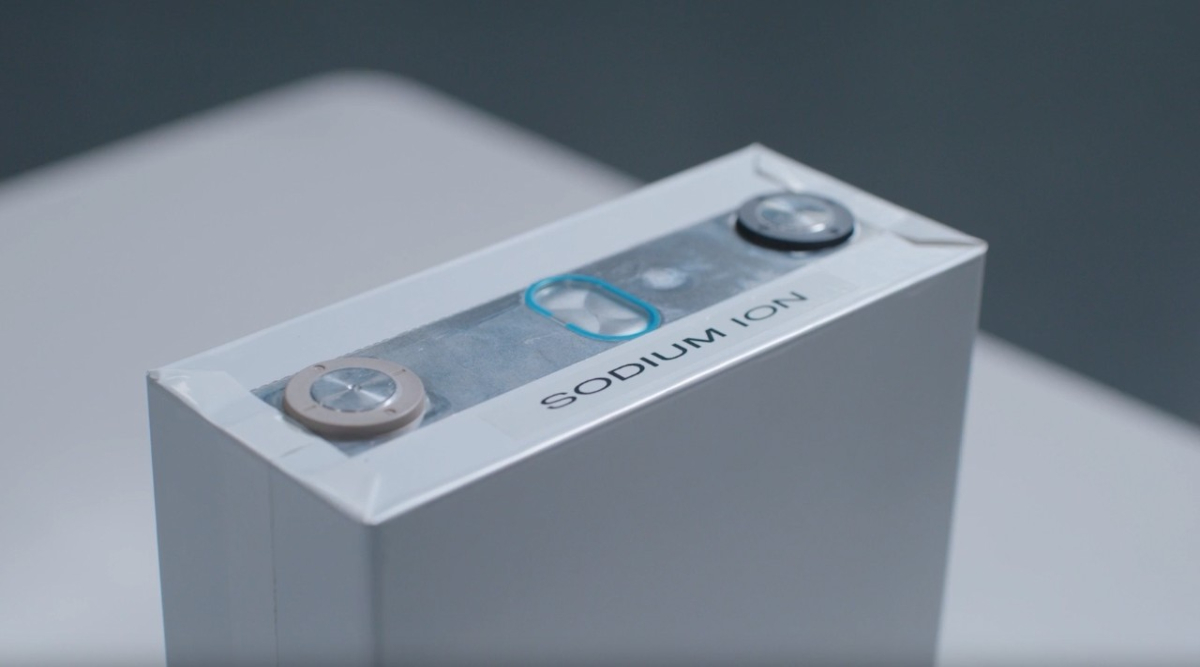
General Motors is making a strategic pivot into grid-scale energy storage, announcing a partnership with Peak Energy to develop sodium-ion batteries in Michigan that promise to lower costs and eliminate the energy-hungry cooling systems that traditional lithium-iron phosphate batteries require. The move marks a significant shift for GM as it looks beyond electric vehicles to capitalize on America's rapidly growing demand for reliable, affordable grid storage — and the tax incentives still available to domestic battery manufacturers under the Inflation Reduction Act.
The partnership pairs GM's battery development expertise with Peak Energy's passively cooled storage technology, a combination designed to address one of the energy storage industry's costliest challenges. Conventional lithium-ion systems used for grid storage require active cooling to maintain safe operating temperatures, a process that consumes significant energy and drives up costs. Peak Energy's sodium-ion approach eliminates that cooling requirement entirely, reducing energy storage costs by 20 percent compared to conventional systems while delivering more than 99 percent uptime.
Under the deal, GM will develop the sodium-ion cells in its Michigan battery labs and retain exclusive manufacturing rights, while Peak Energy incorporates the cells into its proprietary energy storage systems. Kurt Kelty, VP of Battery and Sustainability at General Motors and former Tesla battery leader, framed the decision simply: "The application should determine the battery, and for grid-scale stationary storage, sodium-ion is the right solution." The partnership also strengthens Peak's domestic supply chain as its manufacturing scales across the United States.
The technical advantages of sodium-ion batteries for grid storage are considerable. Unlike lithium-iron phosphate systems, which must shut down when ambient temperatures reach around 43 degrees Celsius, sodium-ion batteries can comfortably operate at temperatures up to 50 degrees Celsius — a critical advantage in hot climates like California and Texas where peak cooling demand often coincides with extreme heat. This means the technology delivers peak performance precisely when the grid needs it most. Additionally, sodium-ion systems can achieve UL9540A certification at the cell level, a safety standard that validates non-flammability and non-toxicity — requirements that conventional lithium-iron phosphate batteries cannot meet.
The economics are equally compelling. Peak Energy estimates that if the United States switched from LFP-based systems to its passively cooled sodium-ion approach, the country could reduce annual energy wastage from cooling systems by up to 2 terawatt-hours per year. That's real energy saved, real money kept in consumers' pockets as the grid becomes more efficient. For Peak's CEO Landon Mossburg, the stakes are clear: "Lowering the cost of energy is one of the most important issues facing America today. We are proud to develop an energy storage system that is safer, cheaper, and faster to deploy than any other technology on the market."
The partnership also reflects a pragmatic view of the current tax incentive landscape. The Section 45X Advanced Manufacturing Production Credit for batteries — offering $35 per kilowatt-hour for battery cells and $10 per kWh for battery modules — remains fully in effect through 2029 before stepping down to 75 percent of the original amount starting in 2030. For GM and other automakers absorbing billions in EV losses, the opportunity to manufacture batteries for grid storage while claiming these credits makes economic sense. Ford has made a similar transition, shifting from EV battery manufacturing to grid-scale energy storage production. As America's energy demand grows and the grid evolves to accommodate renewable sources, sodium-ion batteries manufactured right here in Michigan could become an essential piece of the infrastructure that keeps the lights on.