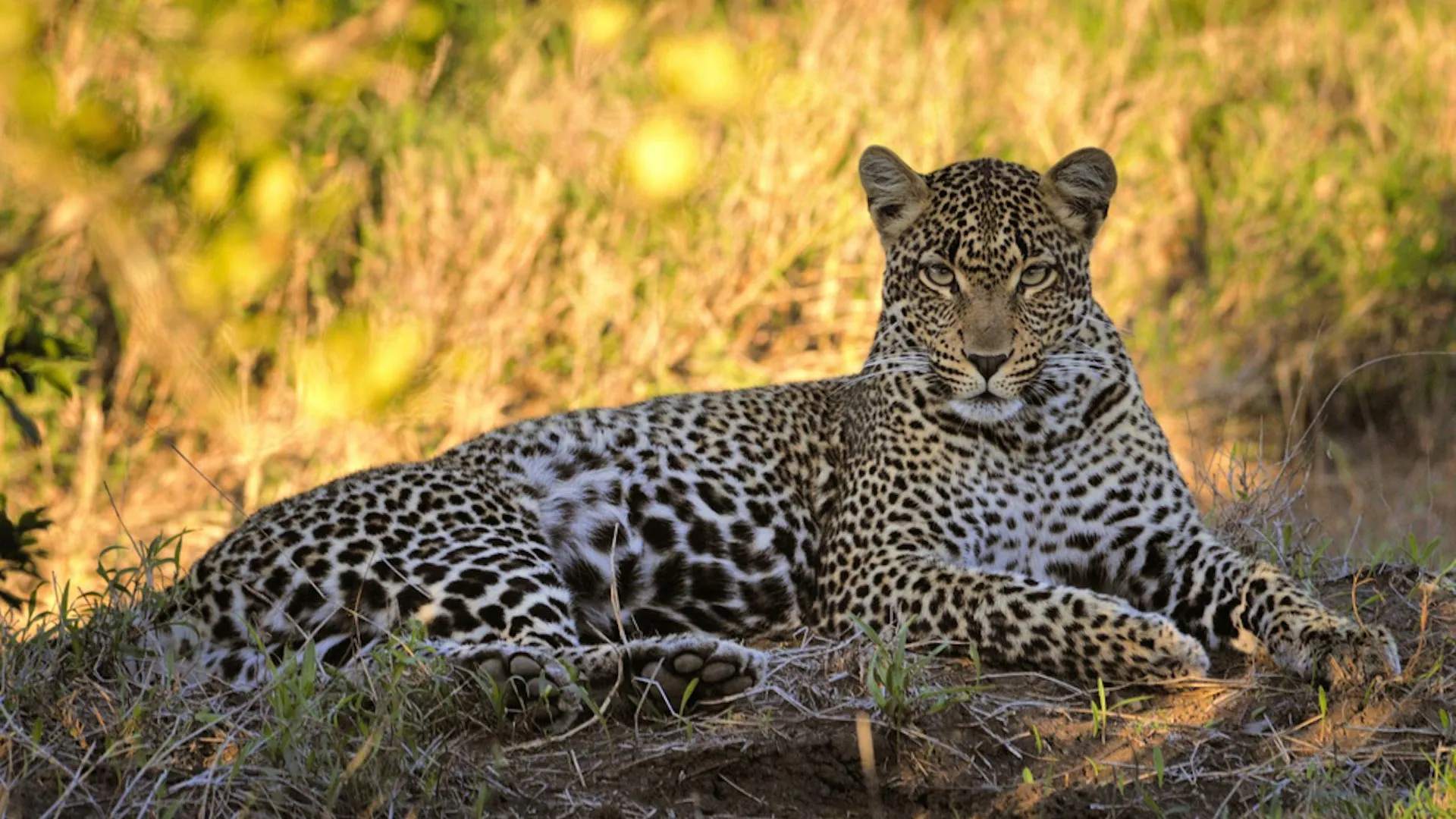
Thandi, a female leopard tracked in the rugged folds of South Africa’s Langeberg Mountains, weighs just 24 kilograms—less than half the size of her counterparts in Kruger National Park. She is part of a hidden lineage, one that has prowled the Cape Floristic Region in isolation for over 20,000 years. These leopards, fewer than 1,000 in number, are not just smaller; they are genetically distinct, shaped by ice age climates and centuries of separation. Their story, only now coming to light through whole-genome analysis, rewrites what we know about one of Africa’s most adaptable predators.
For decades, scientists puzzled over why Cape leopards were so much smaller than other African leopards. Were they stunted by sparse prey? Was natural selection favoring compact bodies in rocky terrain? Or was something deeper at play? Earlier studies, limited to small DNA markers, couldn’t answer these questions. But a breakthrough came when researchers, including conservationists from the Cape Leopard Trust and evolutionary biologists from the University of Cape Town, sequenced the full genomes of 26 leopards—10 from the Cape and 16 from across Africa. The result: 2.57 billion base pairs of genetic code revealed a population that had diverged from eastern and southern African leopards between 20,000 and 24,000 years ago, during the Last Glacial Maximum.
The Cape’s leopards are not just physically isolated by the arid Karoo to the north and human-dominated landscapes to the east—they are genetically sealed off. Their DNA shows little to no recent mixing with other populations. This long-term isolation has made them a unique evolutionary lineage, one that conservationists now argue deserves targeted protection. Despite historical persecution—bounties on leopards persisted until 1968 and drastically reduced their numbers—the population has shown resilience. Yet their genetic diversity remains low, a legacy of inbreeding in small, fragmented groups.
What makes this discovery urgent is not just scientific curiosity, but survival. The Cape Floristic Region, a UNESCO World Heritage site and home to more than 9,000 plant species found nowhere else, is also a refuge for these rare cats. As climate change alters habitats and human development expands, the corridors that allow leopard movement grow thinner. Protecting them means protecting the entire ecosystem they inhabit.
The story of the Cape leopard is one of endurance—of a lineage that weathered ice ages, human hostility, and genetic odds. Now, with their genome decoded, there is a chance to ensure they don’t vanish into silence.