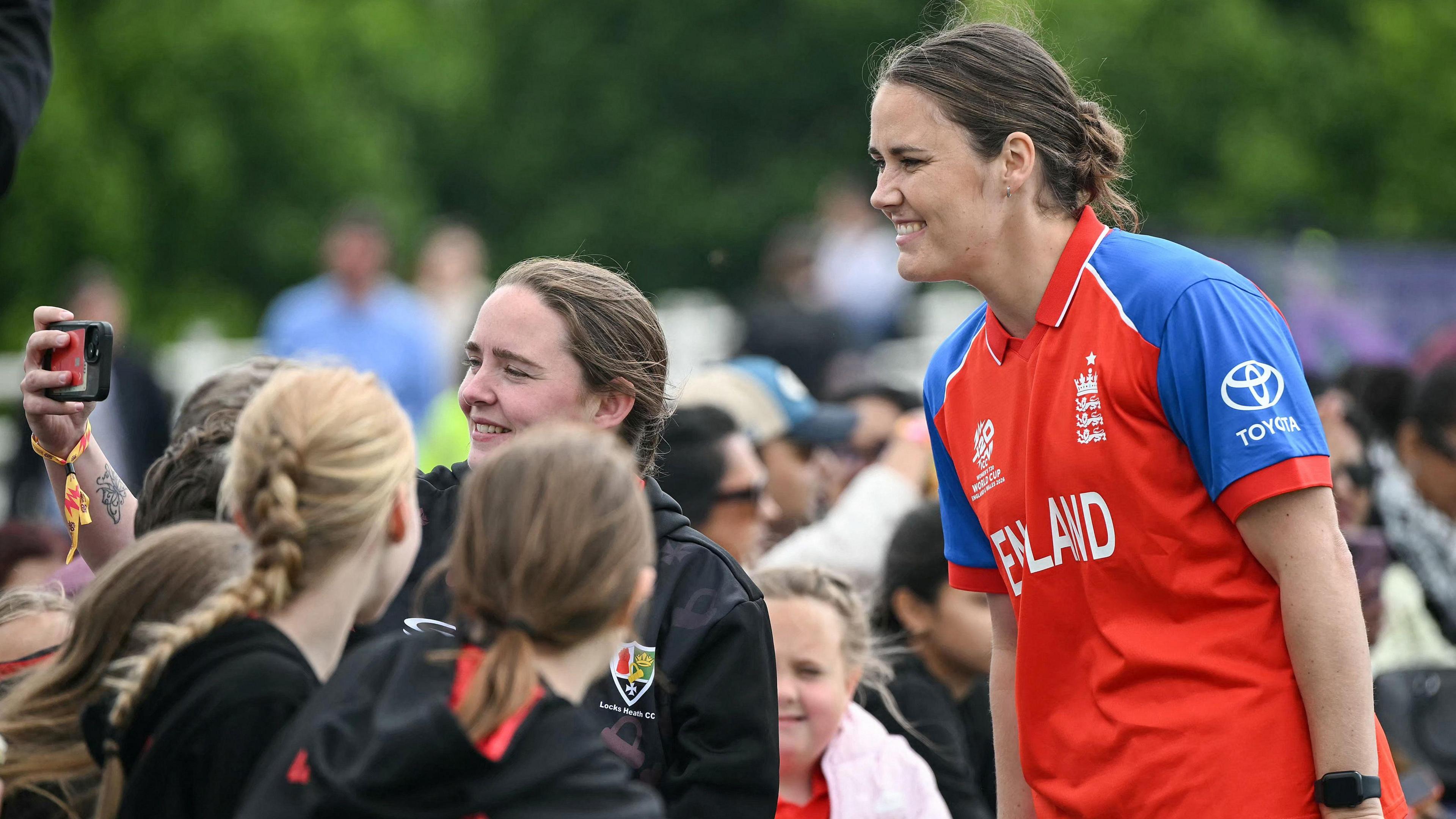
Nat Sciver-Brunt holds a drawn Curacao in a World Cup sweepstake, but the England cricket captain faces far stiffer odds in the tournament that truly matters: the T20 World Cup opening on Friday at Edgbaston against Sri Lanka, where her team chases a first major trophy in six attempts.
The stakes extend well beyond silverware. While football and rugby capture headlines with triumphant homegrown stories—the Lionesses' 2022 victory, the Red Roses' 2025 success—women's cricket in England enters this tournament under considerable pressure to prove it belongs in that conversation. Charlotte Edwards, the iconic former England captain once brutally dropped before the last World Cup, returns as coach 15 months after being called to rescue a struggling programme. She and Sciver-Brunt inherit a side searching desperately for a trophy. England have won all four Women's World Cups hosted at home stretching back to 1973, yet have failed to win any of the past six tournaments across T20 and 50-over formats. Add to that a Commonwealth Games medal miss in 2022 and five Ashes losses, and the weight of expectation becomes palpable.
Yet there are reasons for measured optimism. Recent bilateral series wins over New Zealand and India—achieved after a bruising 50-over World Cup the previous autumn—have steadied the ship. Seam bowling all-rounder Freya Kemp's explosive 39 not out from 13 balls against India in Bristol proved pivotal, arriving when England sat 117 for 4 in the 17th over, trailing 1-0. From that position of crisis, the team levelled and won the series in Taunton. Middle-order batter Alice Capsey has evolved from spare player to linchpin across six matches since May. Sciver-Brunt herself marked a timely return from a six-week calf injury with a fifty on Wednesday.
The tournament arrives at a fascinating crossroads for the women's game globally. New Zealand's Suzie Bates will retire after this month concludes her legendary all-rounder career. Australia's Alyssa Healy retired earlier this year. Former England captain Heather Knight, still a seismic figure in modern cricket, contemplates the same path—a changing of the guard feels imminent. Meanwhile, Scotland qualify for the second time and smell opportunity after warm-up wins over Pakistan and Bangladesh. Ireland beat the same opposition plus West Indies. Upsets feel genuinely possible from a group containing England, Sri Lanka, New Zealand, the Windies, Scotland and Ireland.
The venues underscore how far the game has travelled. Bristol hosts matches again, but it joins Lord's, The Oval, Old Trafford, Headingley, Southampton and Edgbaston—cricket's most storied grounds. Ticket sales already surpassed the 136,549 sold for the 2020 Australian edition, yet organisers fret empty seats could puncture the narrative at certain matches. The ambition is clear: cut through public consciousness the way the Lionesses and Red Roses have done, inspiring the next generation of female cricketers.
"There's extra pressure from everywhere," Sciver-Brunt acknowledged on Thursday, her voice steady despite the weight. "Being the host nation, my first home World Cup leading, the Lionesses and the Red Roses..." The sentence hung unfinished, but the message was unmistakable. This is the moment. Not a false dawn, but a permanent shift in English women's cricket's trajectory.