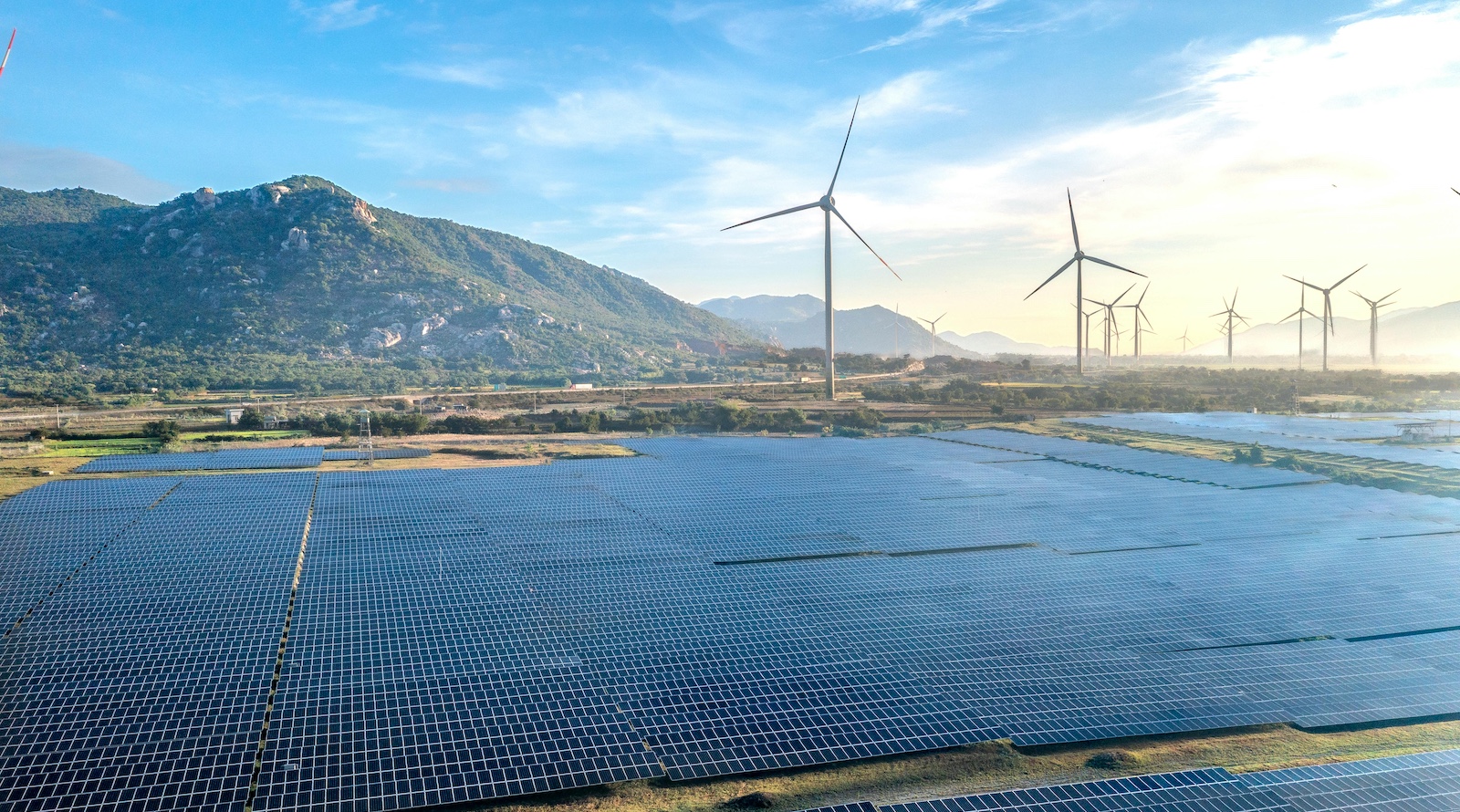
Across America's heartland, a quiet revolution is winning. In red states from Missouri to Wyoming—places where coal once seemed as permanent as the landscape itself—solar and wind farms are proliferating at an accelerating pace. The reason isn't ideology or politics. It's simple arithmetic: renewable energy costs less and deploys faster than coal power, which has become the most expensive form of generation available.
This shift matters because it reveals a fundamental truth about how energy markets actually work. For more than a decade, analysts have documented that solar and wind beat coal on price alone. Yet despite this economic reality, the U.S. government continues to throw hundreds of millions of dollars at aging coal infrastructure. A $700 million federal subsidy for coal power plants stands as a stark example of this divergence between what markets want and what policy makers are funding.
The contradiction raises an uncomfortable question: why would anyone champion coal when a cleaner, cheaper alternative exists? For coal workers and their communities, the answer carries weight—the industry has sustained livelihoods for generations. That human dimension is real and deserves respect. But outside those direct connections, the preference for coal becomes harder to explain on rational grounds.
The American public seems to understand the mathematics intuitively. Year after year, surveys show that the vast majority of Americans prefer solar and wind power to coal. Broad majorities support government investments in renewable energy growth—not to push ideology, but to transition away from expensive, polluting power plants more quickly. The benefits are transparent: free fuel, zero emissions, faster deployment.
Yet even as the federal government works to prop up coal, renewable energy continues its relentless advance. States including Arizona, Louisiana, Michigan, Mississippi, Ohio, Arkansas, and Missouri have all embraced solar and wind expansion. The economics are simply too compelling to ignore. A coal plant takes years to build and decades to pay off; solar installations and wind farms come online in months. When construction costs drop and operational expenses approach zero—fuel is free—the competition becomes one-sided.
The irony deepens when you consider the broader landscape. Across the country, utilities and investors are making rational choices based on cost and performance. Private capital flows toward renewable energy because the returns make sense. Meanwhile, taxpayer money flows toward coal because of political choices made in offices far removed from balance sheets.
This mismatch between market forces and government policy cannot persist indefinitely. Renewable energy is winning not despite the headwinds but because the underlying economics are too strong to suppress. As more states join the renewable energy transition—whether by choice or by economic necessity—the footprint of coal shrinks. The jobs shift. The energy landscape transforms.
The story unfolding across America is not about environmentalism triumphing over industry. It's about cheaper, faster, cleaner energy proving itself in the real world. The question of why anyone would prefer coal, when presented without political baggage, answers itself. The harder question becomes: how long will it take for policy to align with reality?