Dr. Joe Roman was knee-deep in the cold waters of the Gulf of Maine when he first grasped how deeply animals shape the planet’s climate. As a biologist tracking the ocean’s hidden carbon currents, he realized that the fish darting beneath the waves and the zooplankton vanishing into the deep each day weren’t just surviving—they were actively cooling the Earth. Now, Roman is one of over 300 scientists behind the groundbreaking Scientific Consensus on Wildlife and Climate, a clarion call to policymakers: animals are not just victims of climate change—they are vital climate allies. For too long, climate strategies have centered on technology and tree counts, overlooking the living architects of ecosystems. But from elephants shaping forests to whales ferrying carbon to the deep sea, wildlife plays a measurable, powerful role in stabilizing the planet.
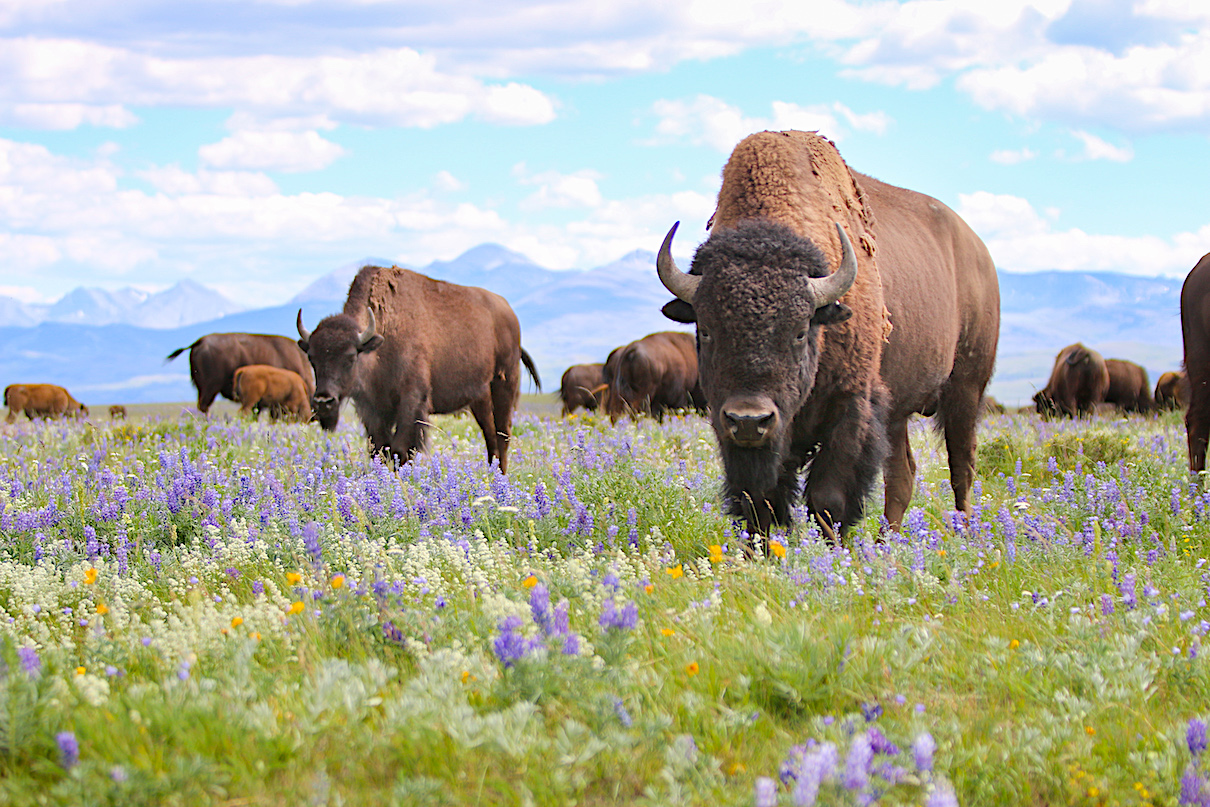
The consensus, backed by scientists across 40 countries, underscores a paradigm shift: nature-based climate solutions must include animals. A 2023 study in Nature Climate Change found that restoring wild animal populations could boost global carbon dioxide uptake by 6.41 gigatons annually—equivalent to eliminating all emissions from the United States. This isn’t theoretical. In African forests, elephants scatter seeds of large, carbon-dense trees, increasing forest carbon storage by up to 7%. In grasslands, bison herds enhance soil fertility and reduce fire risk, locking away carbon in roots and soil. Even in the deep ocean, where sunlight fades, marine life drives the biological carbon pump. Zooplankton and fish perform the planet’s largest daily migration—moving up to 1,000 meters vertically—carrying carbon from surface waters to the deep sea, where it can remain trapped for centuries.
Beavers, too, are unsung climate heroes. By building dams, they transform streams into wetlands that store carbon for decades, turning modest waterways into long-term carbon sinks. Yet, despite these measurable impacts, animals are routinely excluded from climate models and policy frameworks. The consensus argues this must change. Protecting wildlife doesn’t replace the need to slash emissions, but it amplifies every other effort. Resilient ecosystems, shaped by their animal inhabitants, are better at absorbing carbon, resisting droughts, and adapting to change. When we restore animal populations, we’re not just conserving biodiversity—we’re restoring function.
As climate negotiations continue to prioritize infrastructure and energy, the message from scientists is clear: animals belong in the room. From the tiniest plankton to the mightiest whale, wild creatures are not passive bystanders but active participants in climate regulation. The path forward isn’t just about saving animals—it’s about letting them help save us.