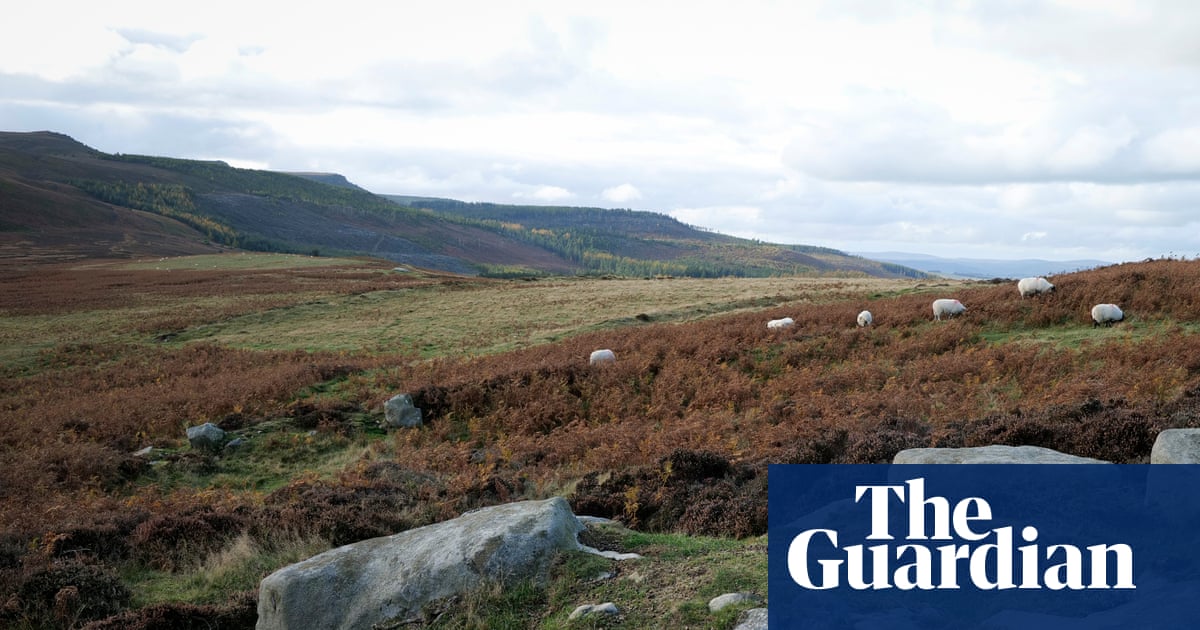
At Rothbury Estate, 3,800 hectares of Northumberland hills, moorland, woods and farmland are set to become the base for one of England’s biggest nature recovery projects. The Wildlife Trusts has raised the £30 million needed to buy the land, clearing the way for a long-planned effort to help wildlife and people thrive together.
The estate is nearly 15 square miles, about the size of Athens, and the largest single-owned piece of land to come up for sale in England in more than 30 years. The fundraising campaign began two years ago, after Max Percy, the Duke of Northumberland’s youngest son, put the estate on the market. Campaigners called the purchase a “once-in-a-generation opportunity.”
Broadcaster and naturalist David Attenborough backed the appeal and thanked the thousands of people who responded. “The opportunity to bring the vision of a landscape where nature and people thrive side by side can become a reality,” he said. “This will be a place where nature, community, farming and heritage can combine to create something very special for generations to come.”
The public contributed £17 million, with gifts from 25,000 people. The National Lottery Heritage Fund provided £5 million, and charitable foundations, philanthropists and the government also helped. The government pledged £1.94 million this week. Mike Pratt, chief executive of Northumberland Wildlife Trust, said the public support left him “humbled” and brought a duty to make sure visitors can enjoy getting close to wildlife.
The trust plans to restore and extend habitats across the estate, which includes the Simonside hills, open moorland, valley woodlands and working farm fields. The aim is to help species already living there, including mountain bumblebees and red squirrels, and to make room for others. Pratt said water voles might be brought back, while pine martens are returning on their own and could be encouraged. The trust also hopes to see more curlews.
The longer-term vision is for Rothbury to become the “beating heart” of a 40-mile nature corridor linking Druridge Bay on the coast with Kielderhead and Whitelee Moor national nature reserves near the Scottish-English border. The trust expects nature tourism to bring benefits to the nearby town of Rothbury, too.
Work is already involving local people. Project manager Sophie Bulgin said volunteers’ enthusiasm had taken her by surprise. Some have walked for miles through shoulder-high bracken to set up and collect sound monitors that can record small mammals, bats and other wildlife. Earthworm counts planned for the coming weeks may offer clues about soil health.
The project has also drawn criticism from some farmers, who have raised concerns about food production, traditional land management and whether farm businesses can remain profitable. Councillor Guy Renner-Thompson said those questions needed answers. Pratt said the trust was working closely with farmers and wanted to show that wildlife and productive farming can coexist. The challenge now is to turn the fundraising success into lasting change on the ground, while keeping local communities and working farms part of the future.