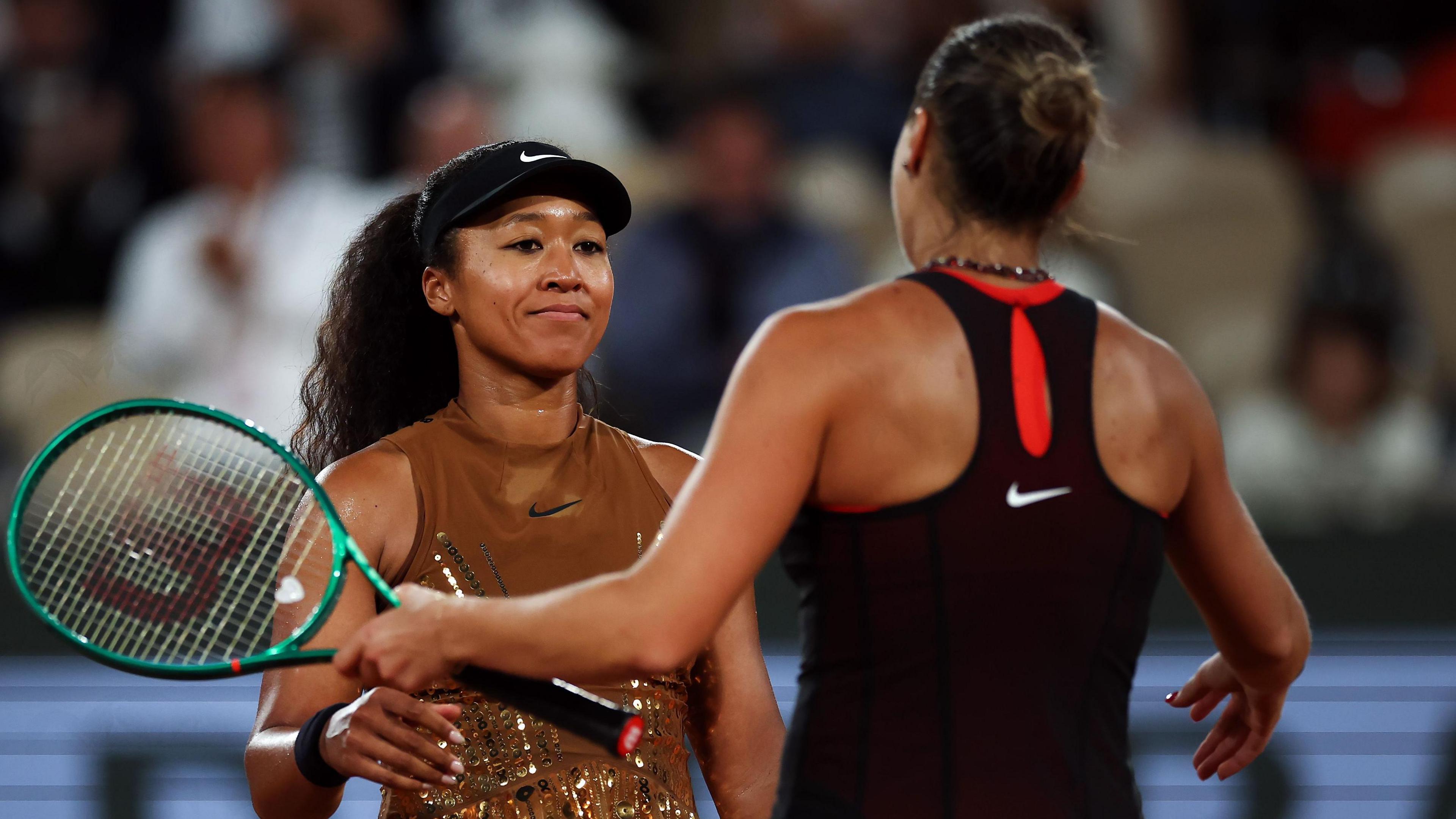
Under the lights of Court Philippe Chatrier on a Monday night, Belarusian top seed Aryna Sabalenka walked out and delivered what may be a turning point for women's tennis at Roland Garros. After three years of exclusion, the French Open finally scheduled a women's match in its primetime night-session slot—and Sabalenka and Naomi Osaka, both 28-year-old four-time Grand Slam champions, made it impossible to ignore why that decision mattered.
The match itself was worth the wait. Sabalenka's high-octane baseline game and newly developed variety proved decisive against Osaka's first-strike tennis, delivering a 7-5, 6-3 victory in just one hour and 27 minutes. Nearly 15,000 fans filled the stadium to near capacity, watching two players who bring undeniable charisma alongside technical excellence. Osaka arrived in a sparkly Eiffel Tower-inspired haute couture dress that would fit Paris Fashion Week; Sabalenka closed her victory with a moonwalk. But the crowd came for the tennis, and both players—hitting with breakneck speed and refusing to yield at the baseline—gave them exactly that.
What makes this moment significant extends far beyond one entertaining match. Of the 61 night-time sessions introduced at Roland Garros in 2021, only five have featured women's matches. The previous 32 had all gone to men. Tournament director Amélie Mauresmo, herself a former world number one, had frequently cited the risk of short two-set women's matches as justification for this imbalance. Yet here was a legitimate concern: if a Sabalenka-Osaka matchup—the collision of the world's top-ranked player with a former number one—wasn't deemed worthy of primetime, which women's match ever would be?
That question hung over the evening. Some observers worried that a poor performance might have been weaponized against the women's game itself, a burden that seemed unfairly placed on two players simply for the chance to play when the largest audience was watching. Both Sabalenka and Osaka handled the moment with grace. "I hope this is the beginning and we open the door to more women's night sessions," Sabalenka said afterward. Osaka added: "I'm honoured the tournament chose us to play in this slot and I hope going forward they continue to do so."
The timing was revealing. Jannik Sinner, the men's world number one, had already been eliminated from the tournament, leaving Monday's men's matches without comparable star power. Whether by circumstance or necessity, French Open organisers finally made the obvious choice—and it paid off. The match delivered the entertainment and quality that French Open officials had repeatedly questioned women could reliably provide.
What happens next will determine whether this was a symbolic gesture or the beginning of genuine change. Both players clearly view it as an opening. Sabalenka believes the atmosphere and attention will convince organisers to consider "at least some women's matches at night" going forward. After three years of closed doors, one evening under the lights may be enough to prove that women's tennis doesn't just belong in primetime—it can own it. The question now is whether Roland Garros has truly learned the lesson, or whether the next women's night session remains years away.