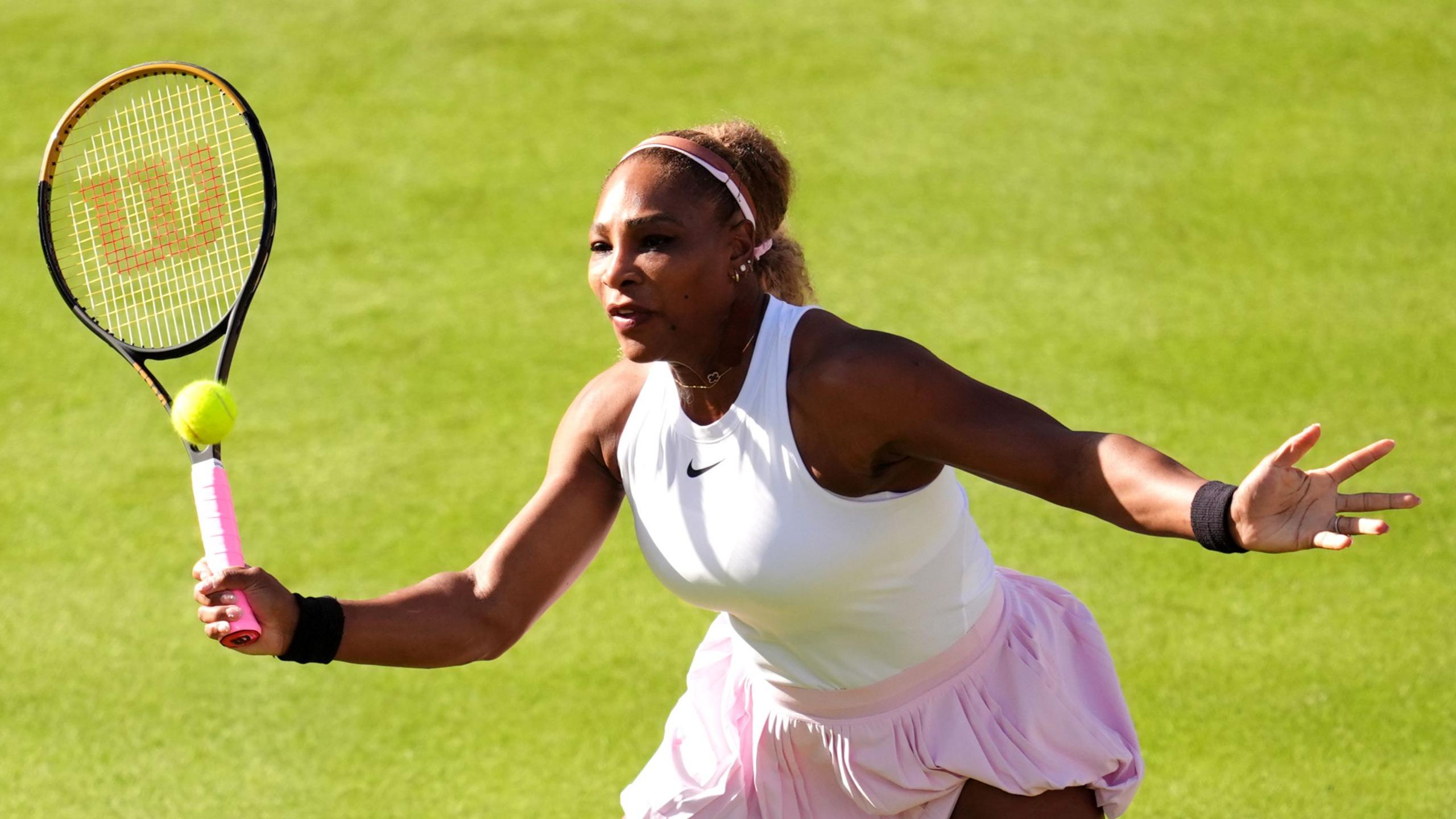
Serena Williams planted a volley into the net on her first strike of the ball at Queen's Club, and for a moment, the crowd held its breath. Could the legend have truly lost her touch during these 1,375 days away? The answer arrived 92 minutes later when that legendary serve—once considered her greatest weapon—secured her first match win since the 2022 US Open, and the tennis world remembered exactly who it was watching.
Williams had said she was "evolving away" from tennis back in 2022, stepping back after 27 years and 23 Grand Slam singles titles to pursue life beyond the sport. But the whispers of a return began long before she took the court at London's Queen's Club. Her name appeared on the drug-testing pool list last year, raising eyebrows among fans and analysts alike. Then came February's announcement that she'd joined the International Tennis Integrity Agency's reinstatements list. Yet even those signals felt tentative—until last week, when the news dropped that Williams would be returning to play doubles alongside 19-year-old Mboko in London.
What followed was a whirlwind nine days of preparation. Williams was remarkably clear about her motivations, noting she "had nothing to prove" and that the true reason for stepping back into competitive play was far more personal: the prospect of her daughters seeing her play. Eight-year-old Olympia and newborn Adira—born in 2023—were there in the stands watching their mother, with their father beside them, cheering as she began to rediscover the shots that had etched her name into tennis history.
That nervous volley into the net in the opening moments might have felt like a premonition of rustiness. But Williams' serve, the weapon that had carried her through countless matches and defining moments, proved it had lost none of its thunder. Point by point, she found her rhythm again, the muscle memory intact, the competitive fire unmistakable. By the end of the match, the doubts had evaporated, replaced by the familiar sense that Williams was exactly where she belonged.
The post-match commentary, though, captured something perhaps even more meaningful than the victory itself. When asked what her daughters thought of her performance, Williams smiled and joked: "Adira wanted to go to the toy store and Olympia wanted to know what's for dinner." It was a perfectly human moment from an athlete who has always transcended the court. She had not come back to tennis to prove anything to the world—she'd already done that, dozens of times over. She came back so her children could see their mother do what she does best, and in that frame, the victory felt like something far deeper than any scoreline.
The return of Serena Williams is not a story of desperation or redemption. It is a story of someone who had found peace in stepping away, who chose to return not out of need but out of joy—the joy of her daughters watching, the joy of rediscovering what it feels like to compete at the highest level, the joy of still belonging in a sport she helped transform. And if this match is any indication, that joy is far from over.