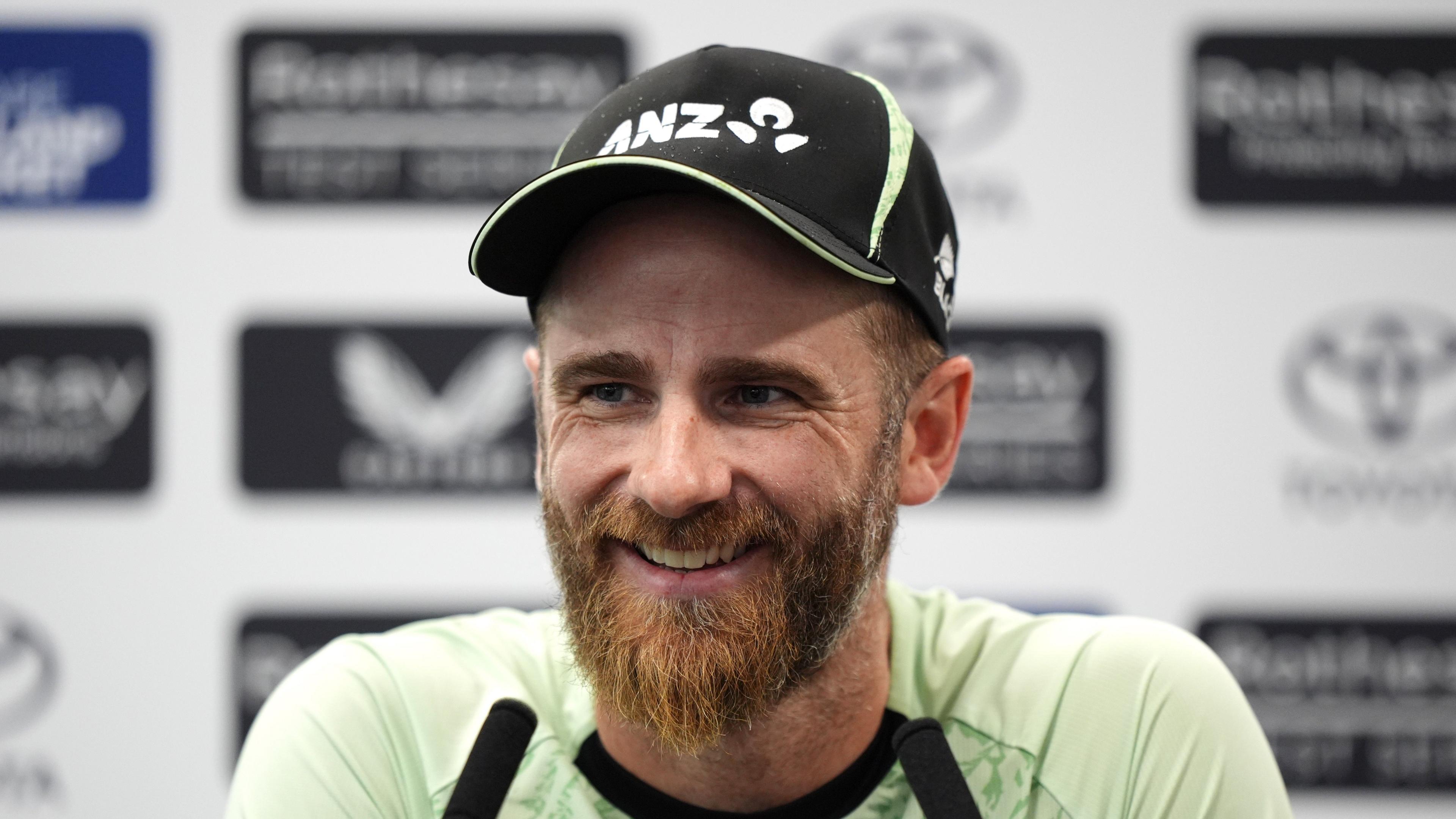
Kane Williamson stepped away from international cricket mid-series, walking away from the England Tests after 16 years and 378 appearances in the sport he elevated to an art form. At 35, the New Zealand captain chose to retire with immediate effect following the first Test at Lord's, where he managed just 18 runs in his final innings—a quieter exit than the fireworks his career demanded, but one made on his own terms.
Williamson's decision to retire now, rather than limp through the remaining matches at The Oval and beyond, speaks to a man who has spent his career chasing excellence. He announced in November that he was stepping away from T20 internationals, but this week, having reflected deeply over recent days, he realized that partial retirement no longer aligned with his values. "Continuing with anything less wouldn't be right," he said simply. It's the logic of a perfectionist—the same drive that accumulated 19,346 international runs across all formats, including 48 centuries and six double-hundreds since his debut in 2010.
What makes Williamson's departure resonate beyond the statistics is the era he defined. As captain of the Black Caps for 206 matches between 2012 and 2024, he steered New Zealand through its golden period: winning the inaugural World Test Championship in 2021, reaching the 2019 World Cup final, and coming within grasp of the 2021 T20 World Cup trophy. These weren't accidents. They were the product of a leader who, as Sir Richard Hadlee observed, was the "architect of some of our greatest moments in cricket." In Test cricket alone—the format closest to his heart—Williamson accumulated 9,515 runs at an average of 54.06, including 33 centuries across 110 matches, a mastery that will define how future generations remember him.
Head coach Rob Walter's tribute captured something deeper than numbers. "His impact on the culture and standards of this team will remain embedded in its DNA," Walter said. That's the quieter legacy, the one that outlasts records: a player who put the team first, who set standards through conduct as much as performance, and who left the sport better than he found it. Williamson himself expressed optimism about the future, praising the "huge amount of talent" and "real desire" within the current squad. It's the mark of a leader secure in his influence—confident enough to step back knowing the foundations are solid.
The cricket world has lost not just a run-scorer but a symbol of elegance and restraint in an era increasingly defined by aggression. Williamson never needed to shout. His bat spoke, his captaincy steadied, his presence commanded respect. He leaves, as he lived, on his own terms: at peace with his decision, content that he gave everything every time he walked to the crease, and certain that New Zealand cricket will flourish without him.