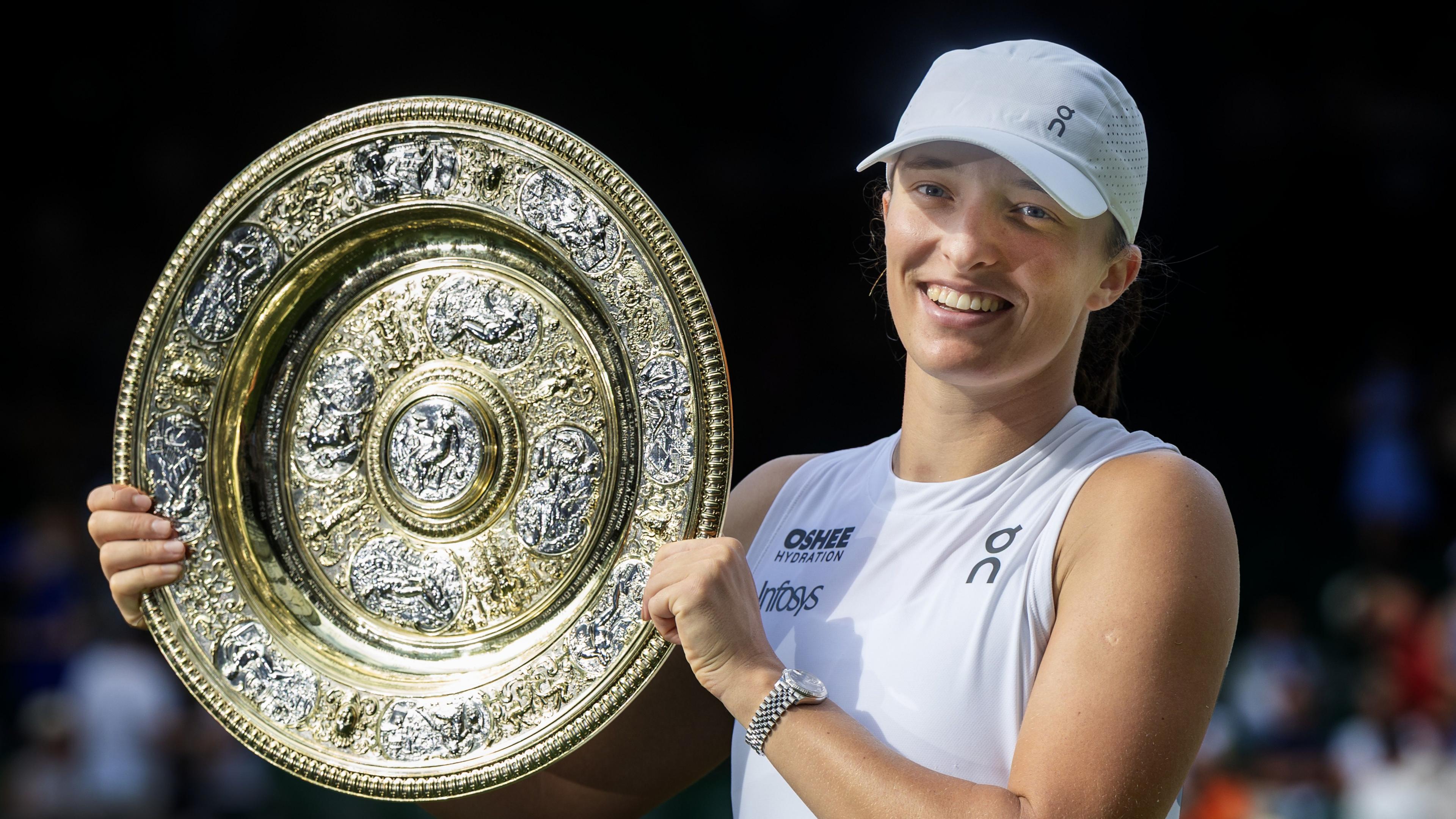
At Wimbledon this year, the singles champion will walk away with £3.6 million — a landmark moment that reflects the All England Club's decision to boost total prize money by 20% to £64.2 million. The increase arrives amid a wider reckoning between the sport's elite tournaments and the players who fill their stands, as athletes push back harder than ever before for compensation that reflects the revenue their talent generates.
The move matters because it signals how even tennis's most storied institutions are responding to player demands for fairer pay. For decades, prize money growth followed a slow, unpredictable trajectory. But the calculus has shifted. Players are leveraging their star power more strategically — and tournaments are beginning to listen, though not always willingly.
The All England Club's position is instructive here. Executives have long resisted the idea that prize money should be directly tied to tournament revenue, arguing instead that significant reinvestment in the championships themselves is necessary. Yet the club's own track record tells a different story: it has more than doubled player prize money over the past decade, a trajectory that suggests sustainable growth is entirely possible. The AELTC also distributed £10 million voluntarily to 620 players who would have competed in the cancelled 2020 Championships, demonstrating both goodwill and an acknowledgment of the sport's interdependence.
Still, the club's leadership has made clear they resent comparisons to exploitative labor practices, pushing back against suggestions they treat players "like some Victorian mill owners." That defensiveness, however, obscures a simple reality: other tournaments are moving faster. The US Tennis Association offered $90 million (£67.2 million) and a 20% increase in prize money last year for the US Open. The prize fund for this year's tournament, beginning August 30, is expected to exceed the $100 million mark — and could reach or surpass the 16% of tournament revenue that players have demanded for 2026 competition.
The French Open's response has been more measured. A 9.5% increase in prize money proved insufficient for some players, who limited their pre-tournament media commitments to just 15 minutes in protest. Tournament director Amélie Mauresmo acknowledged the tension in diplomatic terms, calling for both sides to "make a step in the other's direction" and urging a shift in mentality that requires "goodwill from everyone."
What's changed is the leverage players now wield. The US Open's new mixed doubles event, packed with marquee names, has become a bargaining chip in negotiations — players have noted the competition matters more to the tournament's commercial success during its 'Fan Week' than to many individual athletes, some of whom must arrive early before the main draw begins.
The broader picture suggests tennis is entering a new era, one where player compensation increasingly reflects the spectacle and profit these tournaments generate. Wimbledon's 20% increase is substantial, but it may only be the beginning. As the US Open prize fund approaches nine figures, other tournaments face mounting pressure to follow suit. The Victorian model is finally giving way.