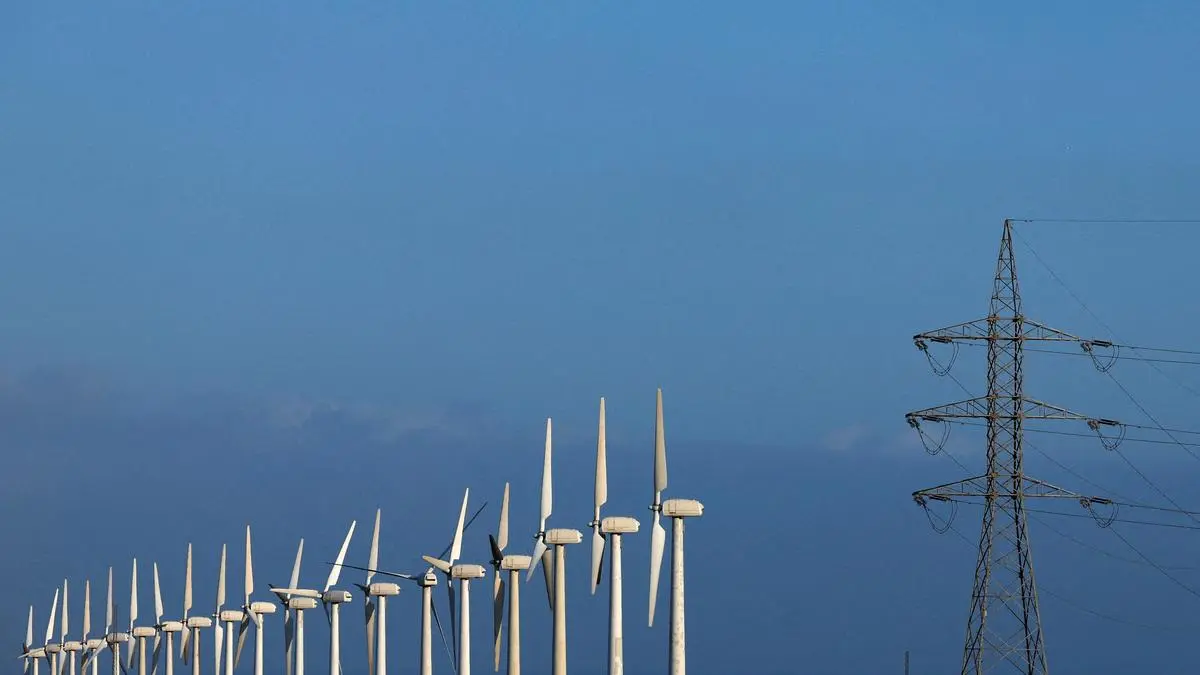
In April 2026, wind and solar generators around the world crossed a historic threshold: for the first time ever, clean energy sources combined to produce more electricity than natural gas. The milestone arrived quietly, captured in data analyzed by London-based think tank Ember and released in May, yet it signals a profound shift in how the planet powers itself.
Wind and solar together generated 22% of global electricity that month, edging past gas at 20%. The moment matters not because it arrived in April specifically—a season when spring winds and rising sunlight naturally favor renewables across the Northern Hemisphere—but because it reflects a deeper, structural change. As Ember's global electricity analyst Konstantsa Rangelova noted, the energy crisis triggered by regional conflicts has "further strengthened the economic case for renewables compared to imported gas, while also adding greater political urgency to accelerate deployment." The shift is real and durable, not merely seasonal.
The growth came from rising installations of wind and solar capacity combined with a tailwind from global events. Combined wind and solar output grew 13% year-on-year, a figure that masks remarkable variation across regions. China, home to the world's largest renewable-energy sector, saw its combined wind and solar generation rise 14% compared to April 2025. The European Union increased output by 13%, while Britain surged ahead by 35%—a striking number that reflects both expanded capacity and favorable weather. The United States recorded an 8% gain, Australia 17%, Chile a dramatic 24%, and Brazil 4%.
What makes this milestone significant is not just the number itself, but what it represents for energy security. Across Europe and other regions hit by fossil-fuel-import crises, wind and solar are becoming lifelines. Countries that once depended heavily on imported gas now have domestically generated alternatives, reducing both financial vulnerability and geopolitical leverage exerted by gas-exporting nations. The renewable surge offers not only cleaner electricity but also independence.
Ember's analysis drew on reported data from 36 countries, applying conservative estimates for nations that had yet to publish their April figures. This methodological caution matters: the actual share of wind and solar in global generation may be even higher than the 22% reported. The think tank was careful to distinguish between seasonal factors and structural trends. Yes, April's conditions—northern spring conditions that combine strong winds with increasing solar radiation—naturally favor renewables. Yet the year-on-year growth across so many major economies suggests something larger is underway: a global energy transition accelerating faster than many had predicted just a few years ago.
The implication is clear. Gas, which filled the gap as coal declined, may face its own long-term decline as wind and solar installations continue to multiply and battery storage technology matures. This April moment captures a world in motion, where the physics of sunlight and wind, paired with the economics of falling renewable costs, are reshaping how electricity reaches homes and factories. For the first time, global wind and solar did not merely supplement fossil-fuel grids; they led them.