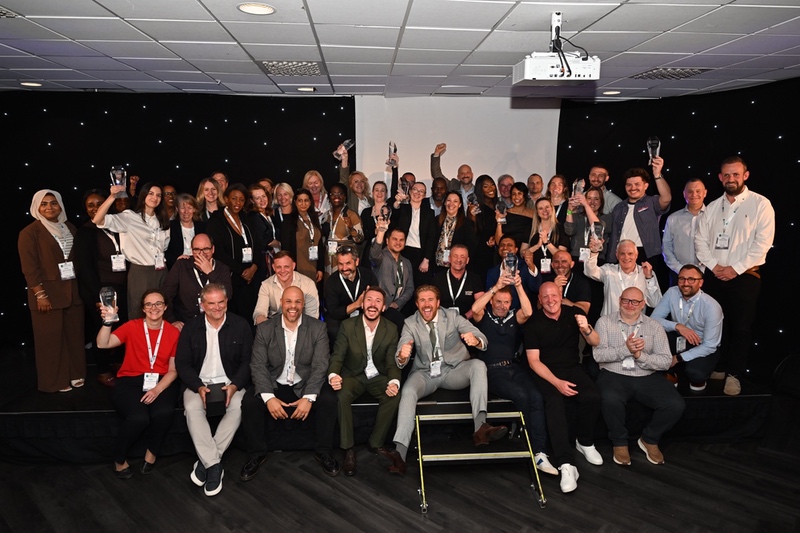
At the Design in Mental Health Awards in the United Kingdom, fourteen winning projects and innovations were celebrated for transforming how mental healthcare facilities are built, designed, and kept safe. The energy crackled at the networking event that closed the first day of the annual exhibition and conference—a gathering where NHS trusts, architects, safety equipment manufacturers, and healthcare innovators mingled with the anticipation of winners about to be revealed.
The awards recognize the full spectrum of work that goes into making mental health facilities better places to heal. Some projects focus on the physical environment itself: art installations that soothe and inspire, outdoor spaces designed with therapeutic intention, refurbishments that reimagine what once felt institutional into something warm and humane. Others celebrate the human teams behind the scenes—estates workers, clinical staff, and designers whose everyday choices save lives and improve outcomes.
The Mechanical Override and The Multi-System Key, both innovations in emergency access systems, represent a particular kind of problem-solving: how to keep facilities secure without compromising the ability to reach patients in crisis. The Low Cost - High Impact Award went to Crompton Street Crisis Café, a model that proves meaningful mental health services don't require unlimited budgets—they require imagination and commitment. Cygnet Hospital Kewstoke's Farm Project demonstrates how outdoor spaces can become therapeutic tools in themselves, while Seren Lodge Mother and Baby Unit won recognition for Service User Engagement, acknowledging that the people who use these spaces must have a voice in designing them.
International projects showed the global hunger for better mental health facility design. The Aqqusariaq Nunavut Recovery Centre in Canada and the Mathile Center for Mental Health and Wellness at Dayton Children's Hospital in Ohio both won Project of the Year awards, signaling that innovative thinking transcends borders. In the UK, "From Seclusion to Sunlight: Reimagining Intensive Autism Care Through Therapeutic Design" and The Brook—recognized as projects of the year in future design and new builds respectively—represent a fundamental shift: moving away from sterile, restrictive environments toward spaces that actually support recovery.
The people driving these changes came to the fore too. Stephanie Kyle, an Associate Architect and Inclusive Design Consultant specializing in neurodiversity, won the People's Choice Award, a reminder that individual expertise and advocacy can reshape entire fields. When Building Better Healthcare Editor Sophie Bullimore presented the refurbishment award, she captured the ripple effect: "Huge congratulations to The Brook team, such a great project and fantastic to see it being recognised."
One award winner later reflected on the power of recognition itself: "Winning a Building Better Healthcare Award gave our team fantastic recognition and helped raise the profile of our project across the industry." That's the often-invisible value of these celebrations—they don't just honor excellence; they give permission, visibility, and momentum to better ways of working. They show teams what's possible and inspire others to aim higher.
Design in Mental Health will return next year in Coventry on 8–9 June 2027, with entries now open for the next round of awards. For healthcare workers, architects, manufacturers, and advocates tired of accepting the status quo in mental health facilities, these fourteen winners offer both inspiration and a challenge: there's a better way to design spaces where people heal, and someone is already building it.