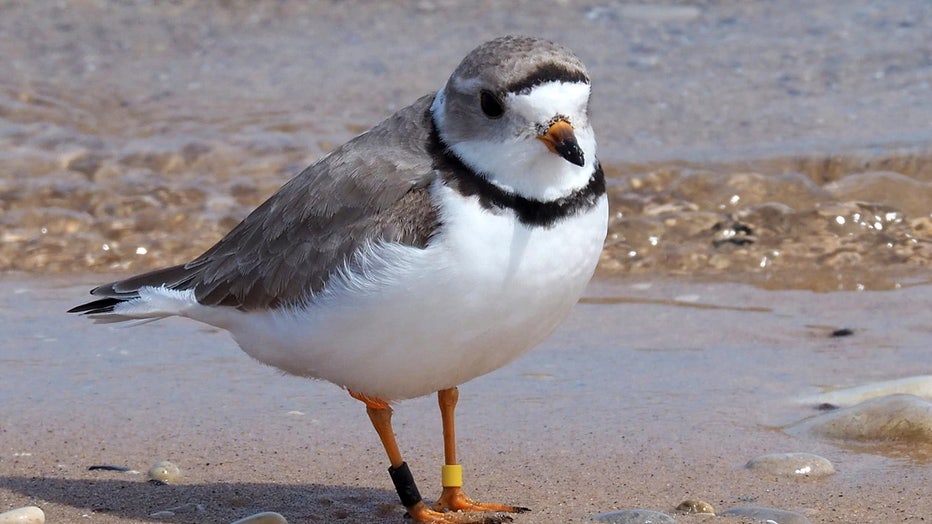
On an isolated stretch of sand and cobble at Wisconsin Point in Superior, something remarkable is happening for the first time in nearly half a century: a pair of endangered piping plovers has built a nest. The last time these small migratory shorebirds nested here was 1977 — 49 years ago.
The birds found their new home on purpose. That beach was carefully built to help bring piping plovers back to the Great Lakes, and it worked. "The news of a piping plover pair nesting here is a very significant milestone for this site," said Matt Steiger, a coordinator with the Wisconsin Department of Natural Resources (DNR).
The story of how this tiny bird got its beach back is a story about people working together. In 2019, material dug from a navigational channel in Duluth-Superior Harbor — the kind of dredged sand usually treated as waste — was placed along an existing state-owned bird sanctuary. The result: a brand-new stretch of ideal habitat where plovers can lay their eggs in peace.
That project didn't come cheap or easy. A group of partners, including the U.S. Army Corps of Engineers, the U.S. Fish and Wildlife Service, the Wisconsin DNR, the St. Louis River Alliance, and the U.S. EPA, invested $4.5 million through the Great Lakes Restoration Initiative. The site is part of the St. Louis River Area of Concern — one of the damaged Great Lakes places designated since 1987 to receive extra care until they heal.
Piping plovers need a lot of undisturbed sandy beach, which is why the nesting area stays closed to the public from April 1 to August 24 each year. But people still play a big role. For 14 years, volunteers from the St. Louis River Alliance have helped the DNR manage the habitat — pulling unwanted vegetation, tending woody debris, and keeping watch for the birds.
The patience is paying off. Great Lakes piping plover numbers are climbing, with a record 99 breeding pairs and at least 160 wild chicks fledged. This year, Wisconsin counted 12 breeding pairs that produced 14 young in the wild and four in captivity, spread across just four sites in the state: Wisconsin Point, the Apostle Islands, and two areas in lower Green Bay.
Protecting these birds means protecting their tiny, picky world. Their beaches are the same ones humans love for recreation, and predators like gulls, crows, raccoons, foxes, and even roaming cats and dogs can harm them. Simple acts help a lot: staying behind closed-area fences, watching from a distance, keeping pets leashed, and never feeding gulls, which tempts more predators to the beach.
More than anything, this nesting pair shows what can happen when people treat a working harbor as a place to heal, not just to use. In a noisy, busy landscape, two small birds found a quiet patch of sand worth calling home — and that is news worth celebrating.