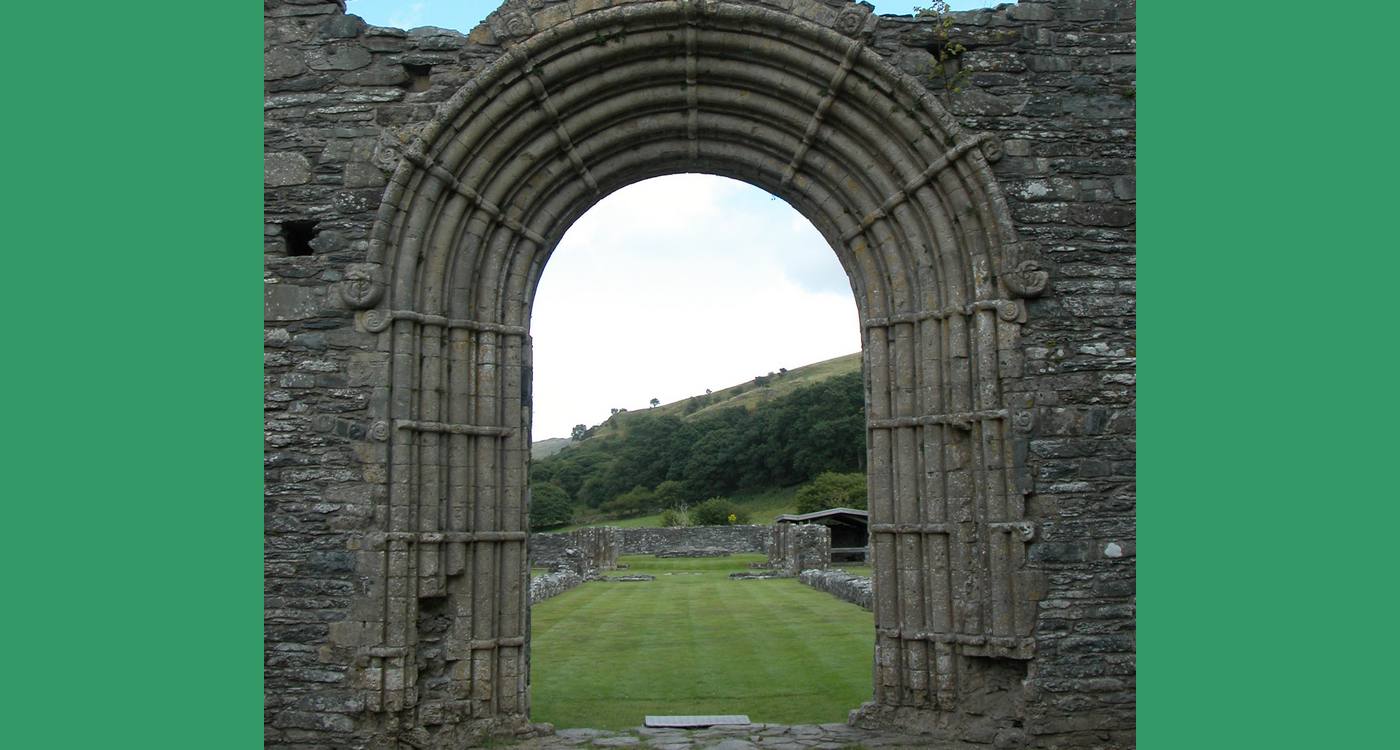
James Williams stands at the moss-covered arch of Strata Florida Abbey, where sheep graze among stone ruins that once echoed with the prayers of 12th-century monks, and smiles. "We’ve seen the economic effect the coastal paths have; we thought we could have a bit of that as well," he says — and now, with the launch of the 83-mile Teifi Valley Trail, that vision is unfolding step by step. Stretching from the spiritual heart of medieval Wales at Strata Florida to the windswept dunes of Poppit Sands on Cardigan Bay, this new long-distance route isn’t just a path through scenery — it’s a lifeline for a valley once sustained by mills and wool, now finding new purpose in heritage and hiking.
The Teifi River, once a bustling artery of trade and industry, powered textile mills and fed a thriving fishing economy. Today, its quiet bends and rushing gorges tell a different story — one of renewal. The trail traces 850 years of history, guiding hikers past ruined abbeys, flooded meadows, and stone bridges that have stood for centuries. In Lampeter, a university town along the route, cafes report increased foot traffic. In smaller villages like Llechryd and Cilgerran, B&B owners are adding extra rooms. The economic ripple is real, and it’s growing.
Over three days, walkers pass through farmland and nature reserves, cross two antique stone bridges, and explore two castles — including one steeped in legend. Local lore tells of Nest, a noblewoman said to have borne a son to King Henry I, whose dramatic abduction by her cousin Owain — driven by love and fury — still echoes through the stones. Along the way, the landscape teems with kingfishers, otters, and ancient woodland, offering both solitude and connection to a deep past.
The trail’s creators aren’t just building a hiking route — they’re rebuilding a regional identity. With the Welsh coastline already drawing thousands to its famous paths, the Teifi Valley offers an inland counterpart, rich in culture and natural beauty. As more travelers trade crowded cities for meaningful journeys, this quiet valley is proving that history, when walked, can become a living economy. And with every boot that crunches gravel along the Teifi, a little more life returns to the land.