In Mexico City, the orange marigolds are blooming on balconies, giant images of players loom from tower buildings, and fan zones are taking shape across the capital. The countdown is over. For the third time in its history, Mexico City is welcoming football's biggest spectacle — and it is the only city in the world to do so.
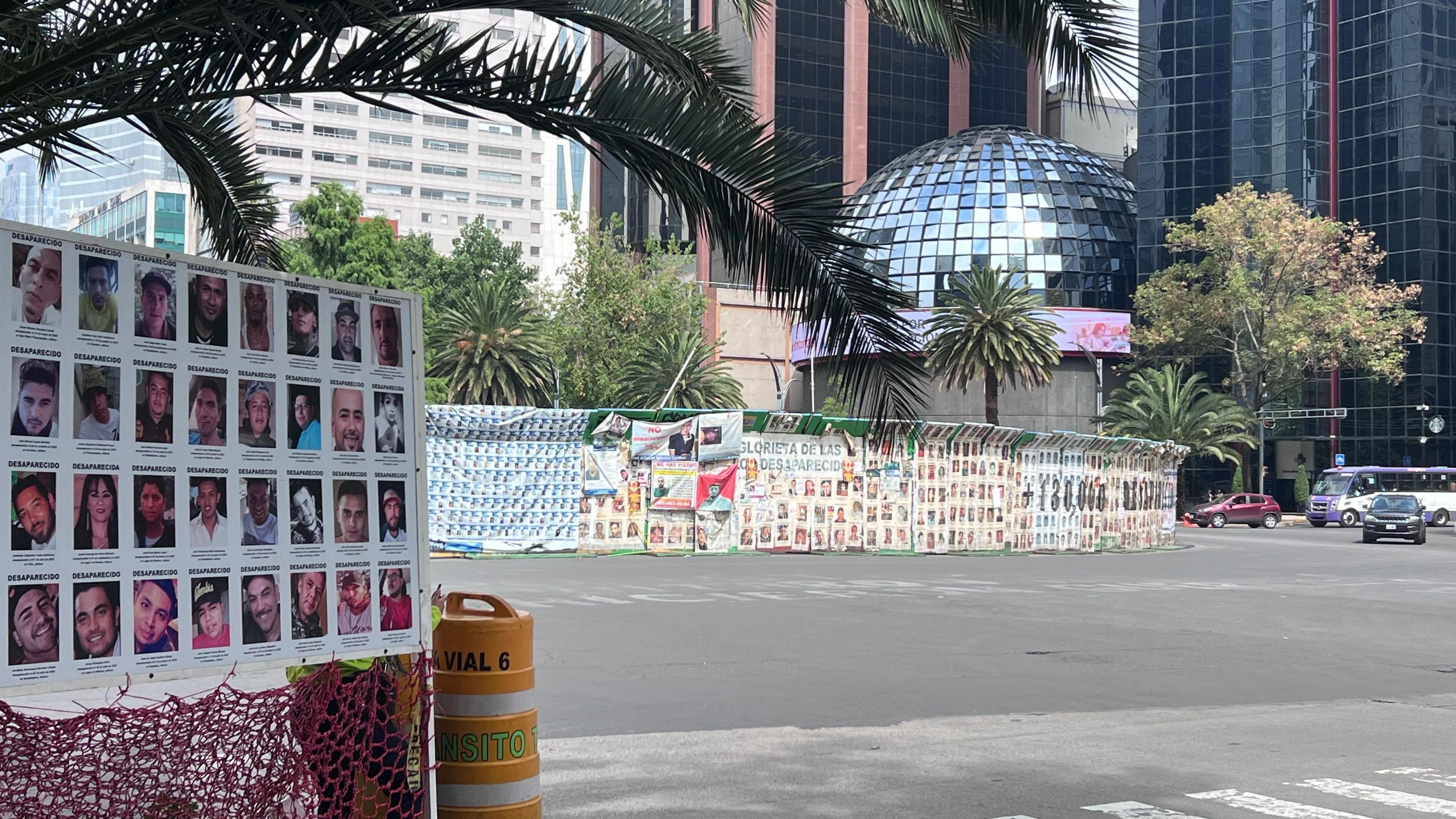
But as 13 World Cup matches prepare to unfold across Mexico, including four games at the iconic Estadio Azteca, another kind of gathering is taking place on the streets. Families searching for missing loved ones, teachers demanding fairer pay, and ordinary residents are seizing a rare moment: the world's media has descended on the city in numbers not seen for years, bringing with it an audience far beyond Mexico's borders.
"If there is ever a moment to spotlight a cause and bring it to the international stage, this is the week," one resident told reporters.
The United Nations has described Mexico's disappearance crisis as "a human tragedy of enormous proportions." For campaigners, the World Cup represents an opportunity to reach people who might otherwise never hear their stories. Leaflets have been printed in English. Chants are being translated so visiting tourists can understand. Near the headquarters of two national newspapers, hundreds of striking teachers gathered beneath buildings, protesting pay, pensions, and working conditions — with some having travelled for hours to be there. Local residents said other public-sector workers had joined them in solidarity.
Former Mexico international Joaquin Beltran offered a nuanced perspective to the BBC. "Many people in Mexico are angry with some decisions about government," he said. But he also expressed hope that the tournament could serve as "a very good space for people who are not satisfied with the things that are happening in our country to make their voices heard." His wish: that Mexico shows its best face to the world while its people stay calm during the festivities.
For many residents, attending a match remains out of reach. "Tickets are far too expensive. We could never afford those," is a commonly expressed sentiment. Instead, most plan to watch from local bars and fan zones, soaking up the atmosphere from the street-level celebrations that feel more accessible than the stadium itself.
So as kickoff approaches, Mexico City presents itself to the world as vibrant and welcoming — flags hanging from bikes, conversations buzzing in cafes and parks, music filling the air with extra energy. But beneath the fanfare, there is something else unfolding too. A city using the world's spotlight to speak truths it has carried for years. The question for many here is not whether they will be heard — this week, they certainly will. The question is what happens when the final whistle blows and attention moves on.