When Zohran Mamdani took office as mayor of New York City in January, he made a promise: this World Cup would be different. The 34-year-old mayor has spent the months since working to prove that major international sporting events don't have to be reserved for those with deep pockets.
"We made it clear from the beginning we wanted this to be a World Cup for everyone," Mamdani told BBC Radio 5 live.
The context is stark. The tournament co-hosted by the United States, Mexico, and Canada has been the most expensive World Cup to attend in history, with first-round game tickets ranging from $350 to $5,000. England supporters calculated they would need roughly £6,500 just to follow their team through the group stage. Transport costs to New Jersey's stadium swelled to nearly ten times the usual fare. Yet despite this, Mamdani argues the economics work in fans' favor.
"Fifa stands to earn nearly $9 billion from this tournament," he noted, a figure that eclipses even the Paris 2024 Olympics. "Part of that is a reflection of the host city agreement with FIFA. I think there is more than enough generated... so those costs are covered, and fans are not the ones having to bridge that deficit."
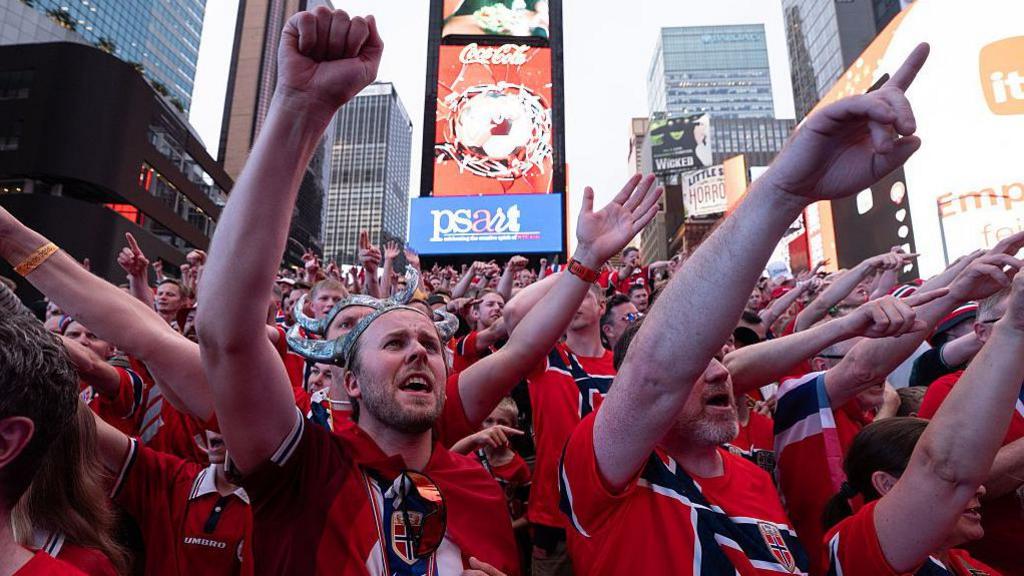
Rather than waiting for FIFA to change course, New York moved independently. The city secured 1,000 tickets at just $50 per game, ensuring a slice of the action remained within reach for everyday supporters. When free fan fests were originally slated to charge admission, Mamdani's administration pushed back—and won. Now, supporters can catch the matches at free viewing events across all five boroughs.
The mayor's team also turned to the city's vibrant food scene. Some 900 bars and restaurants have signed onto a $26 World Cup meal deal, offering a way for fans to enjoy the tournament without depleting their savings.
"When I came into office, they were going to charge for them, and I'm glad they took away that cost," Mamdani said. "We want this to be a moment where tourists and New Yorkers alike can rediscover this city."
The effort reflects a broader philosophy. "It's part of fighting back against the commodification of sports, the insistence it becomes yet another luxury product," the mayor argued. Whether his approach shifts how future host cities negotiate with FIFA remains to be seen—but for now, New York has offered a blueprint worth watching.