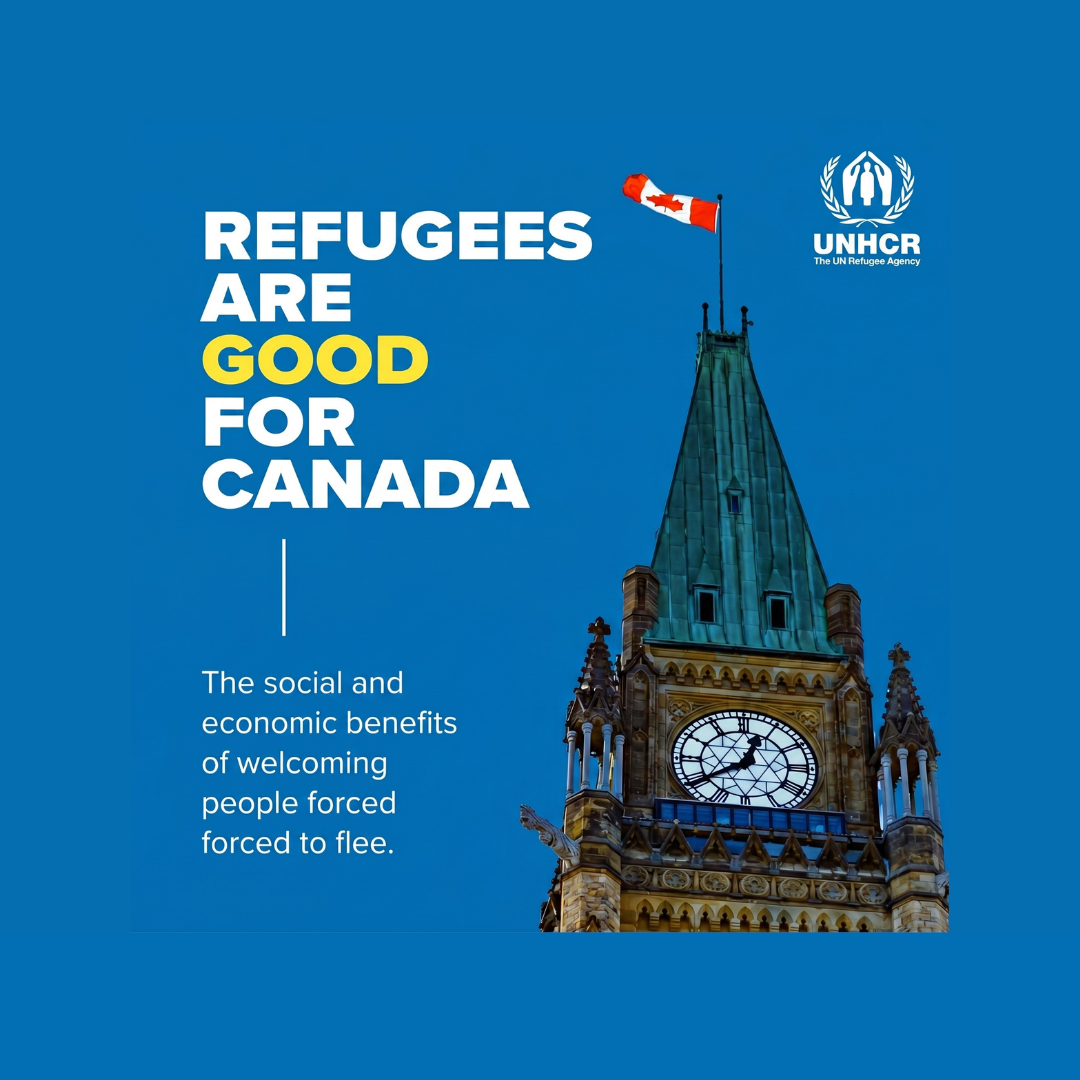
Ebrahim Al-Yousefi arrived in Canada with nothing but hope, and today he has a career, a community, and opportunities he never imagined possible. His story is one of thousands—a living reminder of what the Immigrant Services Society of BC wants Canadians to understand as the world marks World Refugee Day on June 20: refugees don't come seeking handouts. They come ready to build, to serve, and to give back.
On World Refugee Day 2026, ISSofBC is laying bare the evidence that too often gets lost in migration debates. Refugees strengthen Canada economically, socially, and culturally. They start businesses and create jobs. They work in healthcare, education, and skilled trades. They mentor youth, volunteer in communities, and bring languages, ideas, and cultural richness that deepen the fabric of Canadian society.
Consider Alphonso Davies. Born to Liberian refugee parents in a refugee camp in Ghana, he arrived in Canada at age five. Today, he is one of the world's most recognized soccer players and captain of Canada's men's national team. His trajectory from a refugee camp to international acclaim encapsulates the potential that unfolds when newcomers are welcomed and given genuine opportunity.
But the report released by ISSofBC isn't about single inspiring outliers. Behind the data are dozens of quiet contributions reshaping communities across the country. Abdullah Abunafeesa fled Sudan and is now a lawyer and ISSofBC Board member providing legal expertise. Hamoudi Saleh Baratta arrived during Operation Syria and now works as a software engineer. Rasha Youssef, a former Syrian refugee, owns a small business on Granville Island, feeding the local economy. Oliver Kabalisa is studying biomedical engineering to innovate patient care. Dacious Richardson, who came from Liberia, mentors youth through sport and leadership development. These are not rare stories, ISSofBC insists. They are what happens when people are given the chance to succeed.
The organization's evidence is clear: refugees contribute to economic growth over time, fill critical labour shortages in key sectors, and strengthen communities through meaningful participation and leadership. They are not a short-term cost but a long-term investment in Canada's future.
ISSofBC itself has grown into a symbol of what compassion and coordination can achieve. This year marks a decade since Operation Syria brought thousands to safety, and ten years since the organization opened the Welcome Centre—an all-in-one newcomer service hub that has become a world-first model studied by more than 37 countries. That span of a decade shows what is possible when communities come together with intention and care.
As Vancouver prepares to host the FIFA World Cup 2026 and welcome people from around the globe, ISSofBC sees a parallel truth worth embracing: welcoming people is not new to Canada. It is part of who we are. The same spirit shown to international visitors should guide how Canadians welcome refugees—people who come not as temporary guests but as neighbors ready to build lives here.
The evidence speaks. Refugees are not a debate to be won. They are people whose skills, commitment, and humanity have already begun strengthening the country that took a chance on them.