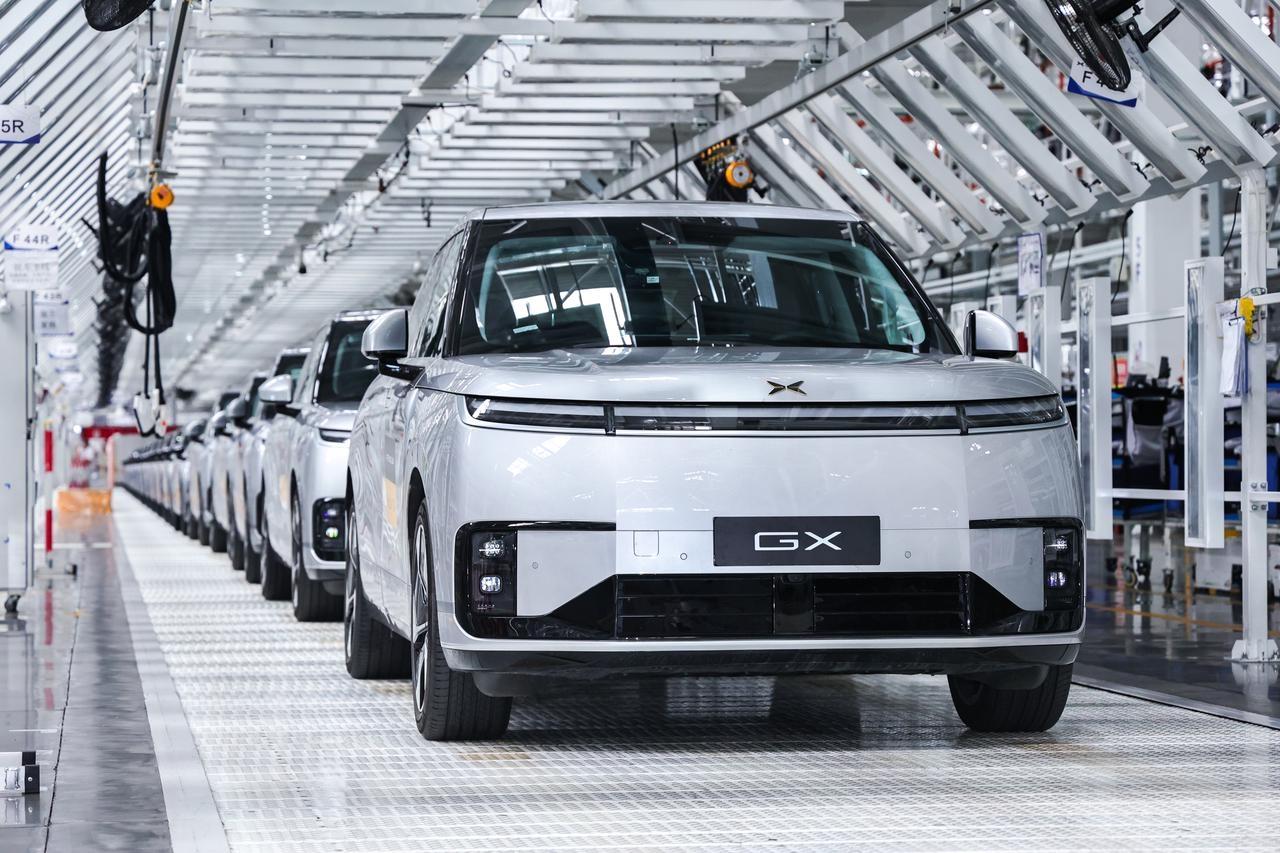
In the industrial heart of Guangzhou, a Chinese megacity of 15 million people, a bold bet is being placed on the future. The city has launched a 100 billion yuan investment fund—worth roughly $15 billion—to nurture the next generation of technologies, and electric vehicle maker XPENG has emerged as one of its flagship beneficiaries. The backing represents more than just financial support for car production; it signals official confidence in a company racing to transform how people and goods move in the coming decades.
Guangzhou's investment strategy reveals a shift in how cities and regions are thinking about long-term economic development. Rather than chasing quick returns, the fund is designed as a patient capital vehicle, structured to weather economic cycles and support ventures that may take years or decades to mature. The initiative reflects a recognition that breakthrough technologies—the kind that reshape industries—require the kind of sustained, committed backing that traditional venture capital or quarterly-focused investors rarely provide.
XPENG's portfolio makes clear why Guangzhou saw it as a worthy anchor tenant. Yes, the company manufactures electric vehicles, a sector that has already transformed China's automotive landscape. But the real draw lies elsewhere: XPENG is developing robotaxis, autonomous vehicles poised to revolutionize urban transportation; humanoid robots designed for industrial and service applications; and flying vehicles that could create entirely new categories of mobility. These are not incremental improvements on existing products. They represent fundamental reimagining of how transportation and labor function.
The fund itself carries distinctive features that underscore the long-term thinking at play. According to Reuters, this is Guangdong province's first corporate-style government investment fund with a perpetual operating structure—meaning it has no fixed end date and can continue investing in cycles far longer than typical government initiatives. The initial registered capital stands at 50 billion yuan, with the full planned size reaching 100 billion yuan. That scale matters. It signals serious commitment to building competitive advantage in strategic sectors.
XPENG founder and CEO He Xiaopeng responded to the news by emphasizing the crucial nature of this investment philosophy. "The development of strategic emerging industries relies on 'patient capital' that can span economic cycles," he said—a statement that captures the tension between the slow, uncertain work of technological breakthrough and the market's constant demand for faster returns. Without investors willing to accept years of development before seeing profits, technologies that require sustained R&D investment, regulatory navigation, and market education simply don't get built.
What makes this moment significant for Meridia's readers is what it suggests about how forward-thinking cities and regions are positioning themselves for the future. Guangzhou is not waiting passively for the next technological wave to happen elsewhere. It is actively identifying companies with transformative vision and providing them with the runway they need to succeed. The specific amount of XPENG's allocation from the fund remains undisclosed, but the symbolic message is unmistakable: this is where Guangzhou believes the future is being built.
As robotaxis, autonomous delivery systems, and flying vehicles move from science fiction to prototype to pilot programs, the investment decisions made today in cities like Guangzhou will shape which hubs capture the economic opportunity. Patient capital, backed by government foresight, may prove to be the quiet engine driving the next generation of mobility breakthroughs.