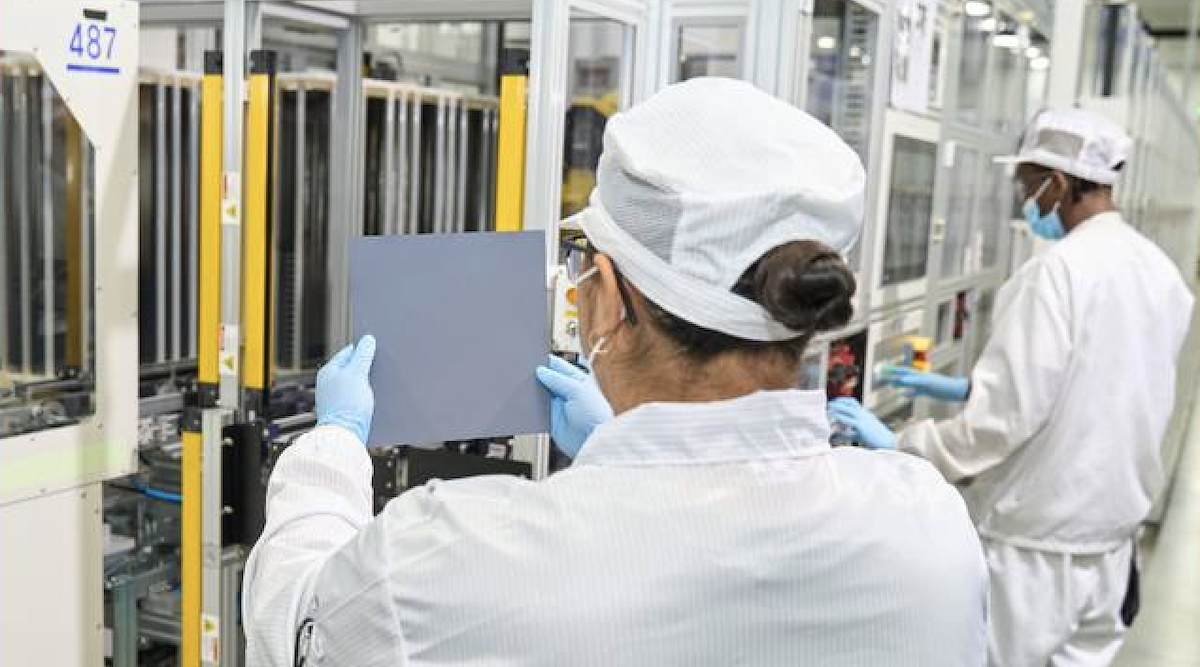
In Cartersville, Georgia, Qcells has just switched on America's first fully vertically integrated solar cell factory—a facility that manufactures everything from raw silicon ingots all the way through finished solar cells, under one roof and one national flag. As of June 9, the sprawling campus represents a genuine milestone: the first such operation built in the United States in more than a decade, and it signals a remarkable reversal in a story that once seemed written in irreversible decline.
The significance reaches far beyond a single factory opening. For decades, American solar manufacturing was practically extinct after Japan, China, and other nations seized dominance in an industry that Americans invented. Bell Labs, headquartered in New Jersey, had introduced the first practical silicon solar cell way back in 1954, yet the US let that advantage slip away. The Obama administration began reversing that trend with taxpayer support aimed at bringing solar costs down to compete with fossil fuels. Now, with tax law favoring domestic content and manufacturing credits that kick in at every stage of production, that recovery is accelerating—and it's happening in red states, where coal once ruled.
At full capacity, the Cartersville plant will produce 3.3 gigawatts of solar cells annually. Combined with Qcells' expanded Dalton facility, also in Georgia, the company expects cumulative capacity to reach 8.6 gigawatts per year—the equivalent of manufacturing 47,000 solar panels every single day. Those aren't abstract numbers. Each gigawatt represents real electricity flowing into American homes and businesses, displacing the need for coal plants and fossil fuel imports.
The domestic-content advantage matters more than it might initially appear. Because Qcells produces everything stateside, its Cartersville modules qualify for Section 45X manufacturing tax credits at each fabrication stage: ingots, wafers, cells, and the final modules themselves. That creates a competitive edge that matters to solar developers. Under current tax law, projects using these fully domestic modules can claim an additional 10 percent domestic content bonus. It's an incentive that shields customers from global supply-chain disruptions while keeping pricing, timelines, and sourcing information transparent and accessible.
The timing underscores something undeniable: even as the current administration champions coal's comeback, solar has already won the race. In May, utility-scale solar generation surpassed coal output for the first time in American history—a threshold that will likely never reverse. Developers continue installing panels at a remarkable pace, placing them on rooftops and in sprawling ground installations regardless of federal energy policy shifts. The Cartersville factory exists to serve that unstoppable demand.
What Qcells emphasizes is that it's the only solar manufacturer in the United States with the capability to claim all-domestic content across the entire supply chain. That distinction carries real weight. It means American solar developers now have access to reliable, domestically made cells without exposure to overseas tariffs, supply disruptions, or geopolitical volatility. The factory also represents a concrete rebuilding of industrial capacity in a region and nation that once led the world in solar innovation.
The Cartersville campus stands as quiet evidence that clean energy manufacturing isn't an abstraction or a distant future scenario—it's already here, employing workers and generating capacity today.