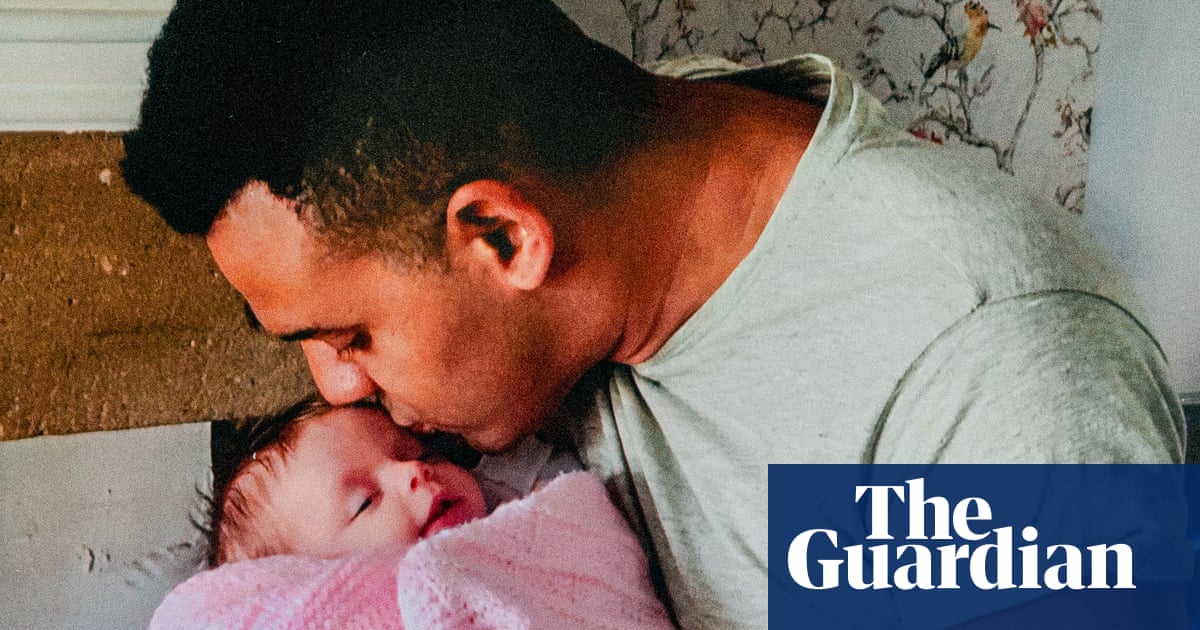
Clive was sitting in his school office when the call came through—just hours before he would become a full-time caregiver to his six-week-old niece, Savannah. He thought it was about a student. Instead, social workers were at his door by 4 p.m. with a baby in a pink blanket and a tiny suitcase. "I didn’t know how to change a nappy, I didn’t have a cot, I didn’t know where she’d sleep," says Clive, then a 32-year-old headteacher in Leeds. "I burst into tears."
That moment, nine years ago, marked the start of an unplanned journey—one shared by more than 141,000 children in England and Wales now being raised by relatives or close family friends. These kinship carers step in when parents can’t, often to keep children out of foster care. But unlike foster parents, they rarely get training, legal guidance, or financial support. Many are given just hours—or even minutes—to decide.
Alan and Julie, both 65 and also from Leeds, had only 10 minutes to say yes to caring for their 10-month-old granddaughter Ella, who has severe disabilities. "They said: ‘This place closes in 10 minutes. If you don’t take her, she’ll go into local authority care—and you may never see her again,’” Alan remembers. Like Clive, they said yes without knowing what lay ahead.
The emotional weight is matched by practical challenges. Overnight, homes change. Budgets stretch. Careers shift. Clive feared losing his job and his home. But his school supported him—he once bottle-fed Savannah while leading a staff training session. Still, many carers aren’t so lucky. Some quit work entirely, often at social services’ request, and face financial strain, isolation, and health issues.
Kinship, a national charity, surveyed carers and found that 40% had less than an hour to decide. Another 20% had under 24 hours. Despite being the most common form of alternative care—twice as many children enter kinship arrangements as go into fostering—support remains patchy. Legal processes drag, benefits are hard to access, and recognition is minimal.
Yet, for Clive, the joy outweighs the struggle. Savannah still has that pink blanket. She calls him Uncle Clive. He’s now her legal guardian, and though she stays in touch with her birth parents, Clive’s home is her anchor. "I would do it all again," he says. "It’s the best thing that could have happened for my niece."
Their story is a quiet testament to the power of family—and the urgent need for better support. With more children relying on kinship care than ever, these everyday heroes shouldn’t have to go it alone.