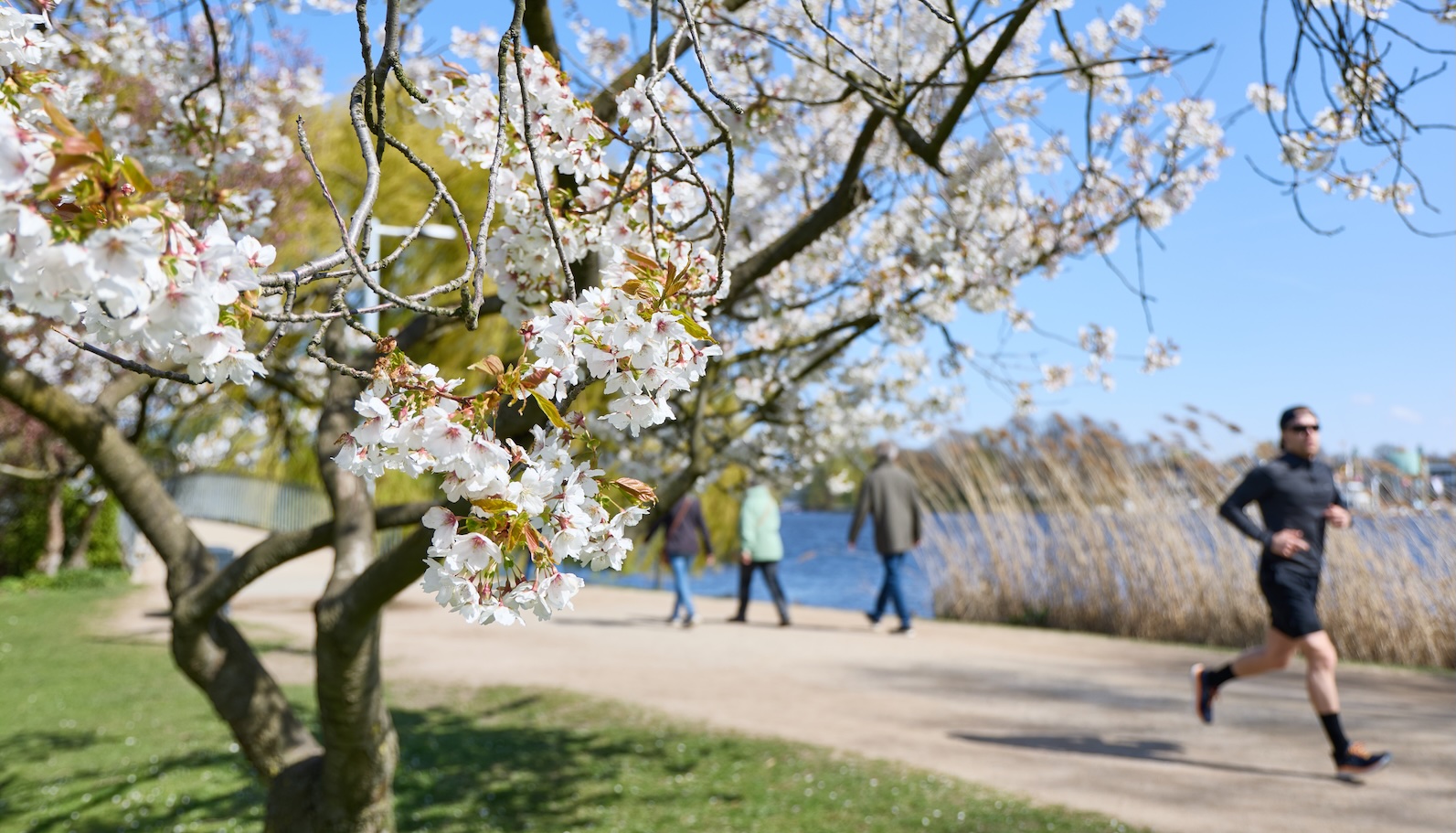
In a nation fractured along political lines, Americans agree on parks: 88 percent visited one in the past year, whether they voted for Kamala Harris or Donald Trump. But what's captured the attention of city planners isn't just that consensus—it's the bottom line. A new report from the Trust for Public Land reveals that for every dollar American cities invest in parks and recreation, they reap $3 in local economic benefits each year.
"You really do get so much goodness out of them," said Will Klein, director of parks research at the Trust for Public Land. "People are healthier, people connect with each other. They drive business activity, especially for small businesses." This matters because parks remain one of the few public spaces where people can gather without spending money—a rare "third place" between home and work where the elderly, families, and anyone else can roam free. While gyms demand membership fees, parks invite everyone equally.
The health economics are staggering. The United States spends $5.3 trillion annually on health care, with physical inactivity alone costing the country more than $200 billion a year in chronic diseases like cardiovascular problems. Parks directly counter this drain. Klein notes that parks are now "the most popular place in America in 2025 to run around and play and exercise, much more popular than private gyms." That physical activity translates to roughly $2,000 per person in annual health care savings—a public health victory achieved through free access to green space.
Beyond fitness, parks heal minds. Research shows that simply being among greenery boosts well-being. They reduce loneliness, a public health crisis of its own, especially for fixed-income seniors who cannot afford cafes and restaurants. "There's movie nights in the park, concerts in the park," Klein said. "Just playing on the playground, talking to neighbors, having barbecues—all that stuff allows people to afford that higher quality of life."
Economically, parks punch above their weight. Visitors to these spaces filter into surrounding neighborhoods, purchasing food and drinks or browsing local shops. Major destinations like New York's Central Park, Chicago's Millennium Park, and San Francisco's Golden Gate Park draw tourists, boosting entire economies. The Florida Gulf Coast Trail, a 420-mile greenway under development with Trust for Public Land support, is projected to generate $200 million in economic activity in Sarasota County alone by attracting bicyclists and recreationists.
Even homeowners who never visit nearby parks benefit. Property values increase near green spaces, Klein explains, which "supports a broader tax base, which can be reinvested into community benefits through the increased property tax revenue." The benefits compound in unexpected ways. As cities grapple with harder rainstorms—a consequence of climate change—parks serve as natural water management systems. By soaking up excess rainfall, they reduce municipal water management costs and prevent neighborhood flooding, protecting property and infrastructure.
The challenge now is ensuring equitable access. Dense urban development and affordable housing don't have to displace parks; pocket gardens in affordable complexes can provide green space while cooling cities. Some developers are even building agrihoods—communities organized around working farms—bringing local food production into neighborhoods.
The humble park, once overlooked, has emerged as a surprisingly potent solution to overlapping crises: isolation, illness, climate change, and economic inequality. For American cities ready to invest, the returns—both human and financial—have never been clearer.