Five years ago, parts of Zambia went dark for up to 20 hours a day. Drought had drained the reservoirs that powered the nation, leaving families without fans in the summer heat and businesses struggling to stay open. Today, Zambia is telling a very different story.
Since 2021, the country has added nearly 1,500 megawatts of electricity to its national grid, bringing total capacity from 3,100 megawatts to 4,576 megawatts. Solar power has led the charge, growing from just 88 megawatts to 841 megawatts — nearly ten times larger in five years. The government plans to reach 1,000 megawatts of solar by the end of this year.
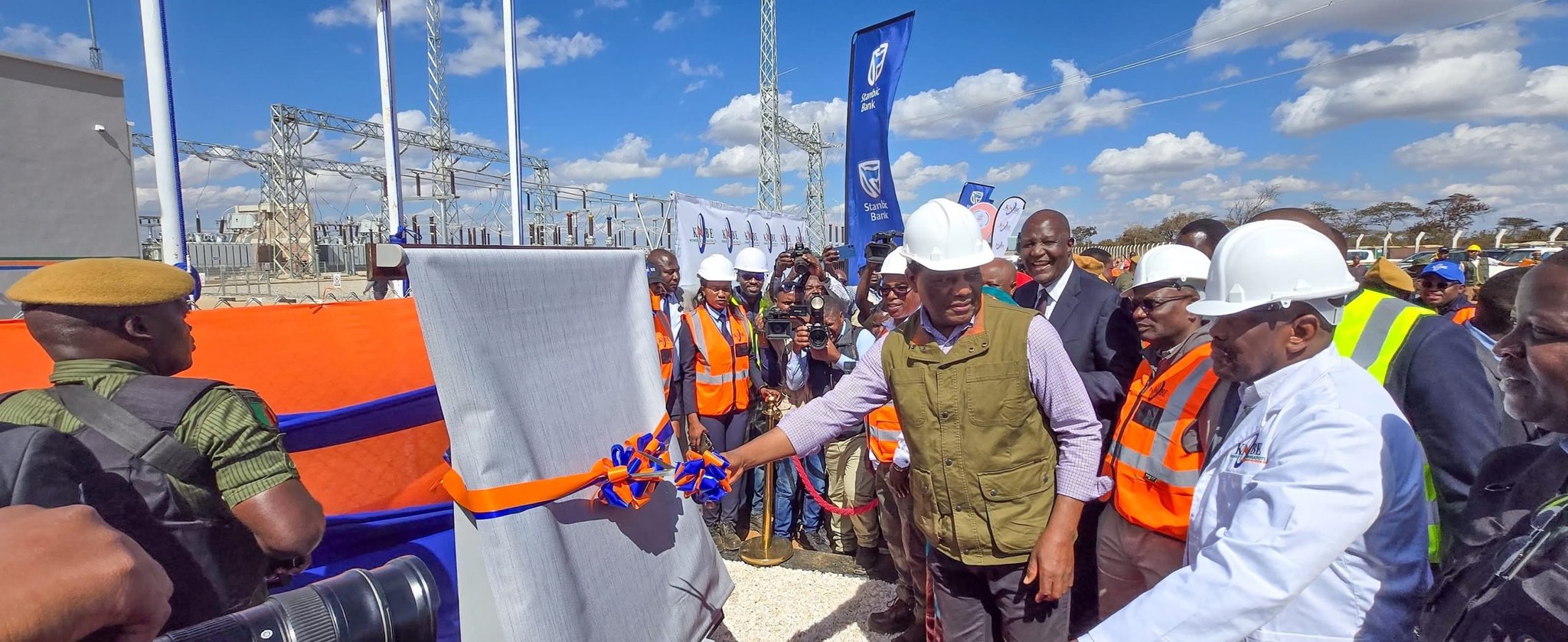
One of the biggest milestones is the 750-megawatt Kafue Gorge Lower Hydropower Station, which is now fully running. But solar projects have multiplied across the country too. The Chisamba Solar Plant, located outside the capital Lusaka, recently expanded to 200 megawatts, making it one of the largest solar farms in southern Africa. Over the past three years, Zambia has partnered with local and international companies to bring 500 megawatts of new utility-scale solar online.
The results reach far beyond the national grid. More than 300,000 homes and businesses have gained electricity connections since 2022. In that time, the share of Zambians with power rose from 34 percent to 56 percent — cutting the number of people without electricity nearly in half. The gains are even sharper in rural areas, where access climbed from 8 percent to 34 percent.
For families in remote villages, new connections mean children can study after dark and health clinics can keep vaccines cold. The government has also made connections cheaper through a program called ASCENT, reducing the cost of a standard hookup from 4,846 kwacha to just 300 kwacha. That matters in a country where many households earn very little.
Looking ahead, Zambia aims to reach 10,000 megawatts of total generation capacity by 2031, more than doubling what it has today. The country is also piloting a plan to build small two-megawatt solar plants in each of its parliamentary constituencies, bringing power and jobs to local communities.
Zambia's journey is not finished. But for a nation that once faced daily blackouts, the shift toward a stronger, cleaner grid is already changing lives.