Tech for Good
AI breakthroughs, assistive technology, apps for social impact and digital access wins

AI climate models look calmer—and may be missing the extremes
AI climate models may be too calm, often missing the extreme weather that real life produces.

A forecast can see storm fuel—and still miss the dangerous details
AI weather models spot big storm signals but can miss the local details that matter for tornadoes.
Central Oklahoma, USA
Symmetry shortcut narrows the search for hidden magnetic patterns
Scientists found a shortcut that cuts down the endless guesses for hidden magnet patterns.

Plant-inspired adhesive joins tiny blood vessels without stitches
A plant-root-inspired glue joins tiny blood vessels in minutes, not the 39 it once took.
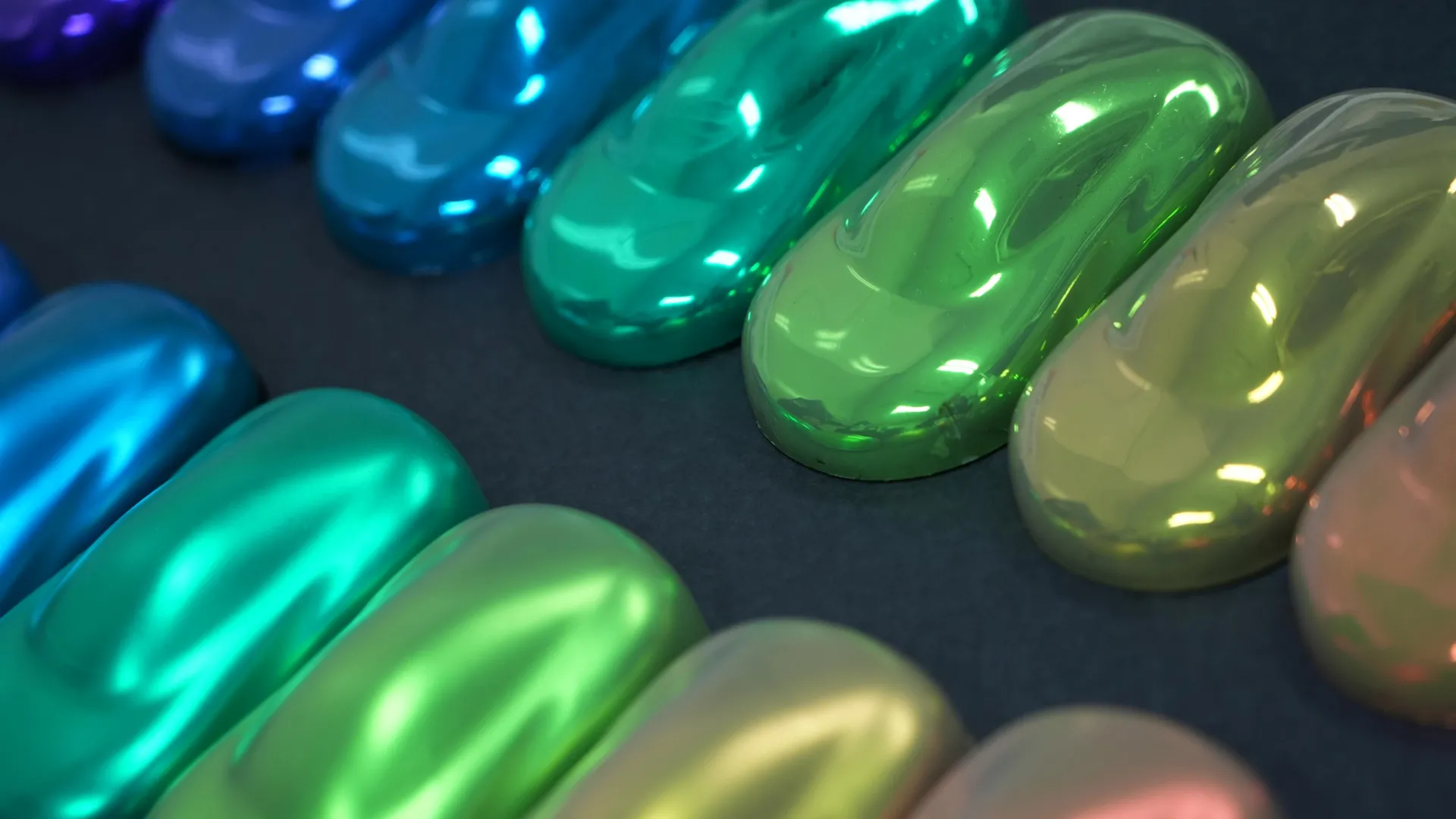
Scientists create stunning, non-fading paint without a single pigment
A new paint gets its color from tiny silicon balls, so it never fades.

Why squeezing a rock can pull it apart
Squeezing a solid block from both ends can make it split sideways, and now we know a little more

Researchers explore the use of AI and smart sensors to improve food safety quickly, affordably
Shining light on food can now reveal hidden allergens in seconds, without destroying the food.
Bilbao
Board game brings oral health inequalities research to life
A board game based on 70 interviews now teaches students how poverty shapes your teeth and dental
Liverpool
AI simulates electron hops over far longer times than conventional quantum calculations
AI can now track electron jumps a thousand times longer than standard quantum methods allow.
Vienna
Rocks under the lens: A simple microscope opens new possibilities for quantitative rock analysis
A simple microscope video can now map rock grains in about 10 minutes, no electron microscope
Sendai
Battery-free implant harvests ultrasound energy and glows to reveal its condition
A medical implant with no battery runs on sound waves and glows to show it is still working.
Hong Kong
New research establishes fundamental complexity limit for quantum circuit optimization
A simple-looking quantum circuit puzzle has been proven among the hardest problems in computing.

Fiber-optic sensing unearths surprising complexity in small California earthquake
A tiny California quake broke in two places just 42 milliseconds apart, surprising scientists.
Brawley Seismic Zone
Engineers reveal the interlayer elastic limits of van der Waals crystals
Scientists measured how far the layers of graphite can be pushed before they permanently deform.
The University of Hong Kong
Using a drone and a poop-sniffing dog, scientists perform health checks on endangered orcas
A trained dog sniffing whale poop helps scientists save endangered orcas.
Salish Sea
Strawberries, cucumbers and lemon basil show promise for future moon and Mars menus
Strawberries, cucumbers and lemon basil could one day grow on the moon and Mars.
Kennedy Space Center, FloridaA Quantum Attack Could Need Just Two Keys to Freeze a Blockchain
Just 2 to 18 broken keys could threaten most major blockchains once quantum computers arrive.

Ocean-wave forecasts may be getting the right energy loss—and the wrong waves
Ocean wave forecasts may track total energy loss correctly but put energy in the wrong places.
-
A neural network that cannot step outside its safety rules
A new AI design obeys safety rules on every input, even ones it never trained on.
Seoul, South Korea A better way to make power converters behave like stabilizing neighbors
Engineers now have a math recipe to make clean-power devices keep the grid steady.