A 0% Relapse Rate — and That's Just the Beginning
Twenty-one patients received new livers. Within a year, not a single one relapsed to heavy drinking. Zero.
That number — so clean it sounds almost too good — comes from a Mayo Clinic study published in Liver Transplantation. Transplant hepatologist Dr. Channa Jayasekera and her team deployed a proactive alcohol use disorder protocol after surgery, replacing the traditional "wait and see" approach with structured, early intervention. The historical relapse rate for this population sat around 25%. Their protocol erased it. "The results were greater than we expected," Jayasekera said.
It's one data point. But it points toward something larger happening across medicine right now: a wave of research that is quietly, methodically closing gaps — between need and care, between diagnosis and survival, between treatment and quality of life.
Prostate Cancer Gets a Double Punch
Two separate prostate cancer studies published this month suggest the disease may be running out of places to hide.
At Johns Hopkins University School of Medicine, a multicenter clinical trial involving 745 men at 51 medical centers across the United States and Puerto Rico found that adding the investigational viral immunotherapy aglatimagene besadenovec (CAN-2409) to standard radiation therapy improved disease-free survival in patients with intermediate- or high-risk localized prostate cancer. The findings appeared June 1 in The Lancet Oncology.
Meanwhile, a Phase III trial led by Dr. Neeraj Agarwal at Huntsman Cancer Institute and the University of Utah evaluated a combination of talazoparib and enzalutamide — branded as the TALAPRO-3 study — in patients whose cancer had spread but remained sensitive to hormone therapy. Many of these patients also carried aggressive gene mutations, including BRCA1 and BRCA2. The result: a 52% reduction in the risk of disease progression compared to standard care alone. For patients with gene-altered tumors, that number is transformative.
Swallowing a Pill Instead of Sitting Through an Infusion
For older adults with acute myeloid leukemia — one of the most aggressive blood cancers — the standard of care has long demanded repeated hospital visits for intravenous treatment. That burden falls hardest on patients who are already frail.
The ASCERTAIN V trial, led by researchers at Weill Cornell Medicine, NewYork-Presbyterian, Yale University, and MD Anderson Cancer Center, tested a fully oral alternative: two pills, decitabine-cedazuridine and venetoclax, taken at home. Nearly half of patients (46.5%) achieved complete response. Median overall survival reached 15.5 months — comparable to existing IV therapies. The FDA approved the combination on May 13 for adults 75 and older newly diagnosed with AML. The hospital visit, for many, is no longer mandatory.
The Gaps Science Is Finally Mapping
Progress isn't only about new drugs. Sometimes it's about finally seeing who's being left out.
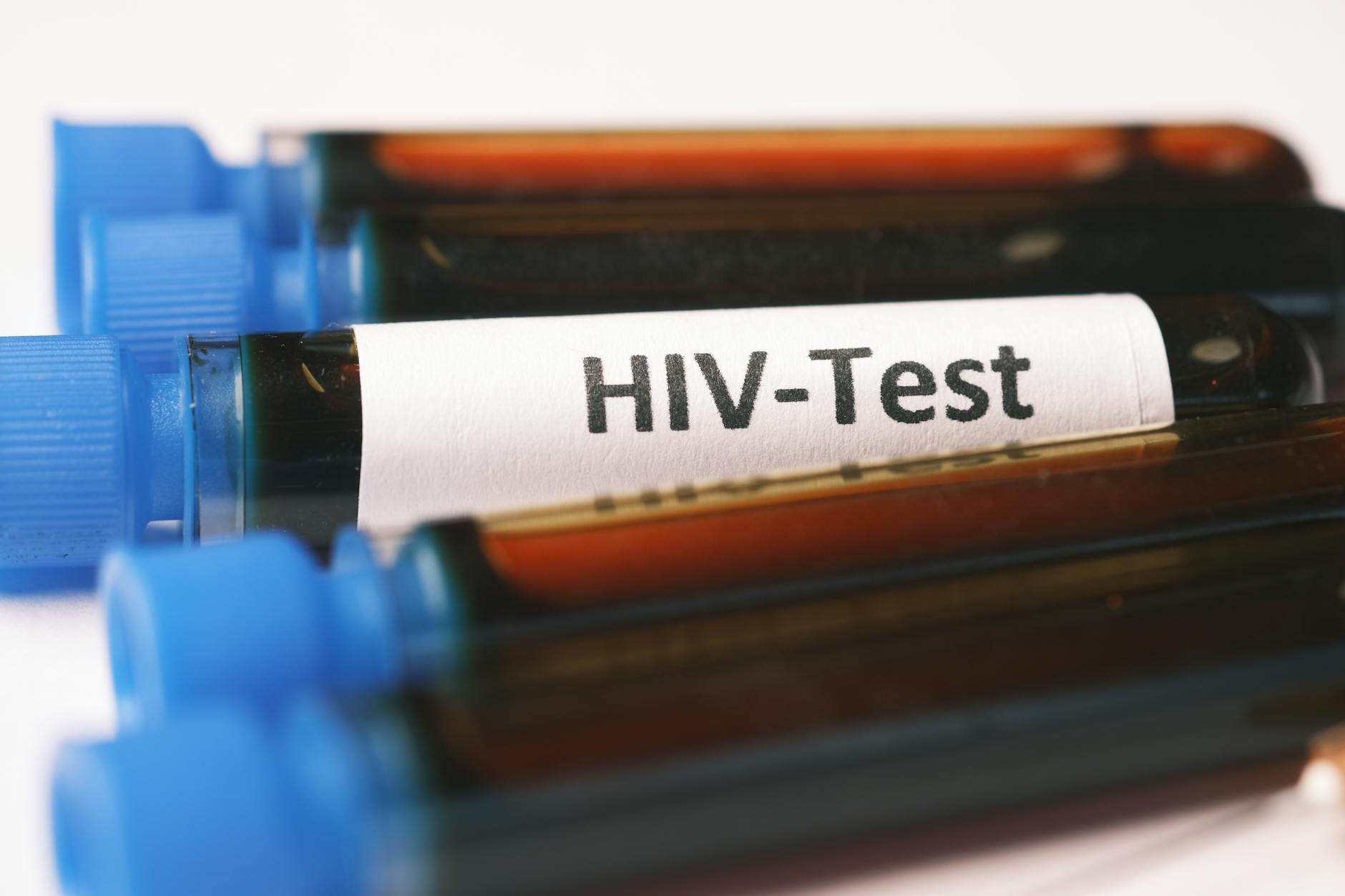
A University of Mississippi study published in Frontiers in Public Health introduced a "prevention gap index" — a county-by-county map of the Deep South showing where HIV prevention services like testing and pre-exposure prophylaxis fall furthest behind local need. "We wanted to better understand not just where HIV is most common, but where there is a mismatch between need and availability," said Precious Edet, instructional assistant professor of public health at Ole Miss. The tool gives policymakers a precise target, not just a general problem.
Curtin University researchers in Australia identified a similar blind spot in lung cancer screening. Their study, published in Occupational and Environmental Medicine, found that Australians with decades-old asbestos exposure — from construction, mining, and manufacturing — are often missed by current screening criteria. Lead researcher Chellan Kumarasamy put it plainly: "This represents a missed opportunity to detect cancer earlier and save lives."
And at Rutgers Health, researchers analyzing data from more than 14,000 adults found that fewer than 1 in 5 people over 65 have ever discussed their cannabis use with a clinician — even as 10.5% of that age group reported using cannabis in the past year, according to the 2024 National Survey on Drug Use and Health. The conversations simply aren't happening.
Your Mood and the Thermometer
Not every health insight arrives in a lab coat. A study published in the Journal of Affective Disorders tracked more than 450 people across multiple seasons, asking them to report their mood, anxiety, energy, and sleep quality several times a day via smartphone surveys — then matched those reports to local temperature data.
The finding: daily temperature swings are meaningfully linked to emotional well-being, even after accounting for light exposure, age, and sex. The effects were strongest for people living with bipolar disorder or major depressive disorder. Dr. Debangan Dey, now an assistant professor of statistics at Texas A&M University, framed it simply: "Humans are part of their environment."
The Story These Eight Studies Tell Together
Taken one at a time, each of these studies is a promising development. Taken together, they describe something more hopeful: medicine increasingly refusing to accept the patients it has been failing.
The leukemia patient who can't easily get to a hospital. The Deep South community underserved by HIV prevention. The older Australian whose asbestos exposure was never flagged. The transplant patient who historically would have relapsed. Science is not just chasing the diseases we know about — it's mapping the gaps, naming the overlooked, and handing policymakers and clinicians new tools to act.
That work doesn't make headlines the way a single miracle drug does. But it may matter just as much.
Sign in to join the conversation.
Comments (0)
No comments yet. Be the first to share your thoughts.