The Roar in Dallas
The air in AT&T Stadium crackled with tension as 50 photographers formed a human wall, blocking England manager Thomas Tuchel’s view of his own team during the national anthem. "I could not see one single player," he later pleaded. "It ruined a little bit my experience." By the time FIFA responded—relocating photographers to the halfway line for future matches—England had already made history of their own.
On the pitch, under the Texas lights, Harry Kane stood tall. The Bayern Munich striker gave England the lead with a coolly retaken penalty, then powered home a header three minutes before halftime. It was his 10th World Cup goal, equaling Gary Lineker’s long-standing record. "He’s the greatest English striker we’ve ever had," Lineker said, live on air. Alan Shearer added, "It’s only a matter of time before he breaks your record."
But this wasn’t just a tale of individual brilliance. England’s 4-2 win over Croatia in their 2026 World Cup opener was a rollercoaster—twice surrendering the lead in the first half, only to surge back with relentless energy. Substitute Marcus Rashford sealed the victory with a composed finish, igniting celebrations from London to Leeds.
Kane called the second half England’s "best level"—a team reborn after tactical adjustments and sheer will. "We showed character," he said. "To come back twice and win 4-2? That’s the spirit we need."
Meanwhile, halfway across the world, another kind of victory unfolded. In Tashkent, fans flooded the streets as Uzbekistan qualified for their first-ever World Cup with a 0-0 draw against the UAE. Once labeled the "nearly men of Asian football," the White Wolves are now World Cup contenders. "For Uzbekistan, this is as significant as winning it would be for nations like England," said football expert Conor Bowers.
And in Port-au-Prince, the echoes of a different match still resonate. In 2004, Brazil played Haiti in the "Match for Peace," where fans traded weapons for tickets. Fifteen thousand gathered at Stade Sylvio Cator, and the Brazilian FA later received FIFA’s Fair Play Award. Football, again, proved it could be more than a game.
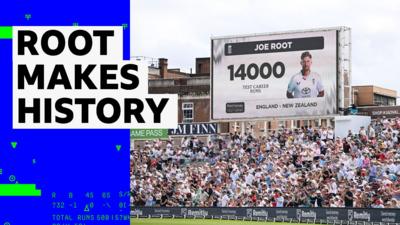
Even beyond the pitch, records fell. Joe Root became the second batter in history to reach 14,000 Test runs, joining Sachin Tendulkar in an elite club. The milestone, achieved under English skies, reminded the world that greatness isn’t born in a single moment—but in consistency, resilience, and quiet dedication.
From Dallas to Tashkent, from Root’s calm cover drive to Rashford’s late strike, this week was a reminder: football and cricket aren’t just sports. They’re stories of comeback, inclusion, and belief. They’re about managers fighting for a clear view, strikers chasing legacy, and nations writing new chapters.
And as England prepares to face Ghana on 23 June, the message is clear: the world is watching—not just for goals, but for what happens when passion meets purpose.
The Power of the Game
In a world often divided, sport keeps offering bridges. Tuchel didn’t just win a battle for space—he sparked a global conversation about respect in the moment of anthem and memory. FIFA’s swift compromise showed institutions can listen. In Haiti, weapons were exchanged for tickets. In Uzbekistan, decades of near-misses turned into triumph. And in England, a new era began not with fanfare, but with focus.
These aren’t isolated wins. They’re threads in a larger story—one where sport doesn’t just reflect progress, but leads it. As fans, we don’t just watch. We belong. And that, perhaps, is the most powerful play of all.
Sign in to join the conversation.
Comments (0)
No comments yet. Be the first to share your thoughts.