The Sir Chris Hoy Velodrome fell silent for a heartbeat. Then the crowd erupted.
Emma Finucane had just become the first sprint cyclist in Commonwealth Games history to win four gold medals at a single event — and she did it in four consecutive days. The 23-year-old Welsh star crossed the line in the keirin final on that final night in Glasgow, her fourth coronation in the Chris Hoy Velodrome, and the entire arena seemed to understand they were witnessing something rare.
"I'm a bit of a stats man," said Wales chef de mission Gethin Jones afterward, still processing what his team had achieved. "If you look at it as a percentage compared to Birmingham, we should be winning about 75% of the medals we won there. We're closer to more than 100%, so people will quite rightly see it as a huge success."
A Commonwealth of Champions
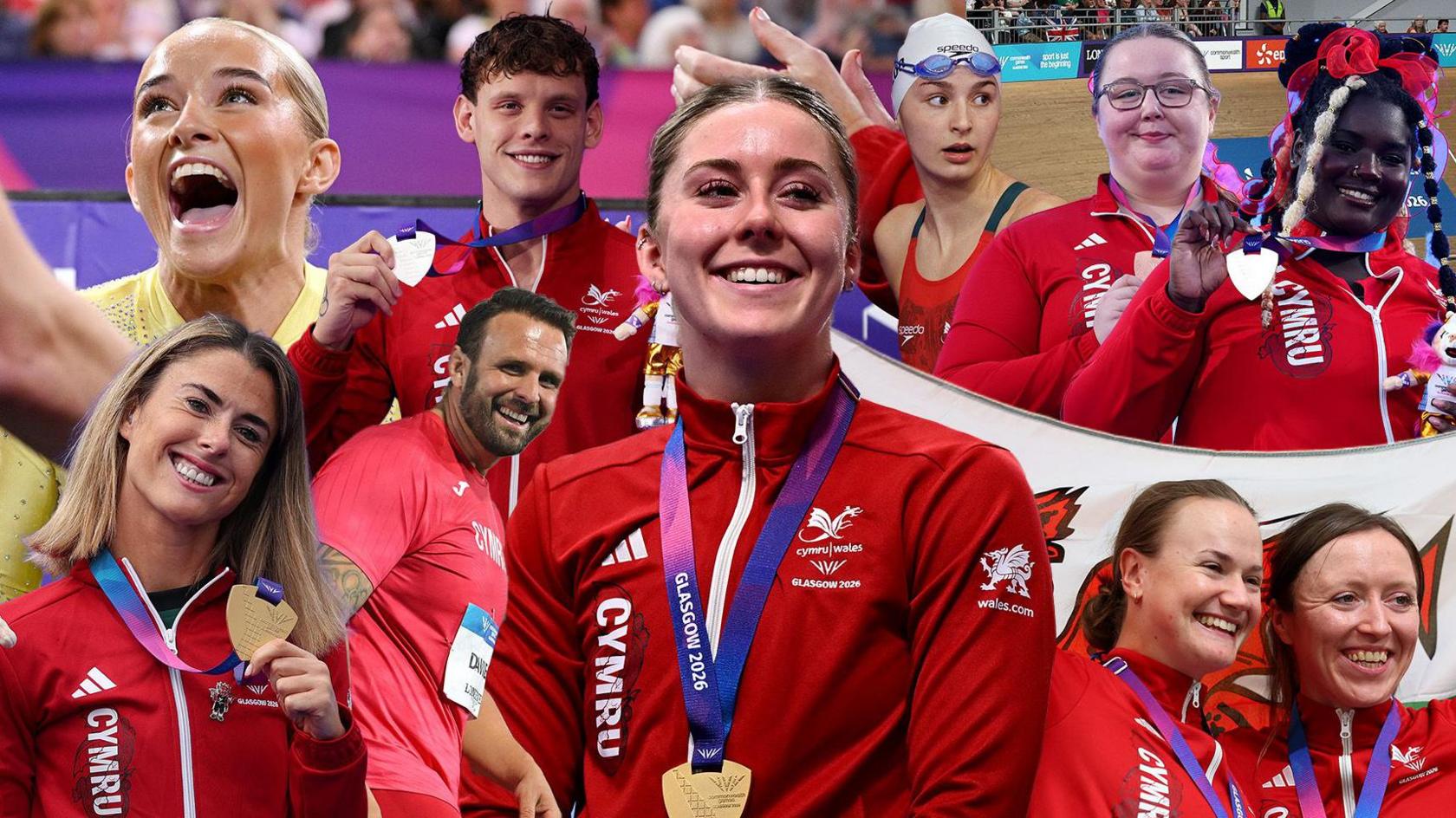
Wales finished Glasgow 2026 with 31 medals — nine gold, 10 silver, and 12 bronze — surpassing their 28-medal haul from Birmingham in 2022 despite a scaled-down program. The numbers only tell part of the story. Wales' women athletes were simply magnificent, claiming 21 of those medals across 10 days of competition.
But Finucane wasn't alone in etching her name into the record books. Minutes before her historic ride, Team Wales captain Olivia Breen — competing in her fourth Commonwealth Games — launched herself into the T38 long jump pit with a first-round jump of 5.09 metres. It was further than her own Games record from 2018, though the wind was too strong to count. She would set a wind-legal mark of 5.03m in the second round anyway, the kind of dominance that turns defending titles into formalities. Australia took silver just three centimetres behind. Bronze went to 15-year-old Ayla Kowalczyk, also Australian.
"Every medal is a landmark moment but my first outdoor gold is huge," Breen said, adding this title to the silver she'd won in the T38 100m days earlier. For a woman who finished seventh in Glasgow back in 2014 — on her 18th birthday, no less — her 30th birthday celebrations will be considerably sweeter.
Scotland's Home Advantage
While Wales was celebrating, the host nation was counting their own blessings. Team Scotland finished fifth in the medal table with 39 medals — 13 gold, nine silver, and 17 bronze. It was their third-best Commonwealth Games ever, bettered only by their own Glasgow 2014 performance when they won 19 golds with a larger squad of 313 athletes.
The comparison isn't quite apples to apples. Fewer sports were contested in 2026 after the original host, Victoria in Australia, pulled out and Glasgow stepped in to save the Games. But the spirit remained. As BBC Scotland noted, defining success isn't just about medal counts — it's about athletes reaching their own Everest, doing themselves justice, creating memories that outlast the closing ceremony.
England Rising, Northern Ireland Proud
England's Georgia Hunter Bell arrived in Glasgow and left little doubt about who was queen of the 800 metres. The 32-year-old dominated the field, adding Commonwealth gold to the 1500m world indoor title she'd won earlier in Poland. Training partner of Olympic champion Keely Hodgkinson, Hunter Bell has blossomed later in her career after taking five years away from the sport. Paris 2024 brought 1500m bronze; last year's World Championships brought 800m silver — pipping Hodgkinson in a result that raised eyebrows across the athletics world.
"There are four opportunities to win gold this year," Hunter Bell told BBC Sport. "I am two golds down and two more to go."
Northern Ireland, meanwhile, brought home 16 medals — their second-biggest haul in history, trailing only the 18 they won in Birmingham four years ago. These Games matter enormously for athletes from smaller nations. They sit at the halfway point of the Olympic cycle, just months before qualification for Los Angeles 2028 begins. Champions like Lady Mary Peters, who won Commonwealth medals before claiming Olympic pentathlon gold in 1972, understand this bridge better than anyone.
The Legacy of Glasgow
The 2026 Commonwealth Games weren't supposed to happen in Glasgow. The build-up was dominated by a host change, a trimmed schedule, and big-name withdrawals. Critics wondered if anyone would care.
They cared. Across 11 days of competition, athletes from 70-plus nations created memories that will outlast any logistical headache. Finucane's four golds in four days. Breen's leap into history. Scotland's fifth-place finish on home soil. Northern Ireland's second-biggest medal haul ever.
Australia may have dominated the medal table with 70 golds. But in Glasgow, everyone went home with something that can't be measured — proof that when athletes are given a stage, they'll build something unforgettable.
The next Commonwealth Games aren't scheduled yet. But the bar has been set.
Sign in to join the conversation.
Comments (0)
No comments yet. Be the first to share your thoughts.