On a misty morning in July, three small primates wrapped in dark cloths were carried through the coastal shrubs of Paraná, Brazil. Inside each cotton bag, a black-faced lion tamarin—rare, endangered, and now making history—was about to receive a yellow fever vaccine, the first of its kind for the species. Fewer than 400 remain in the wild, and extinction looms. But in that makeshift forest tent, hope took the form of a needle.
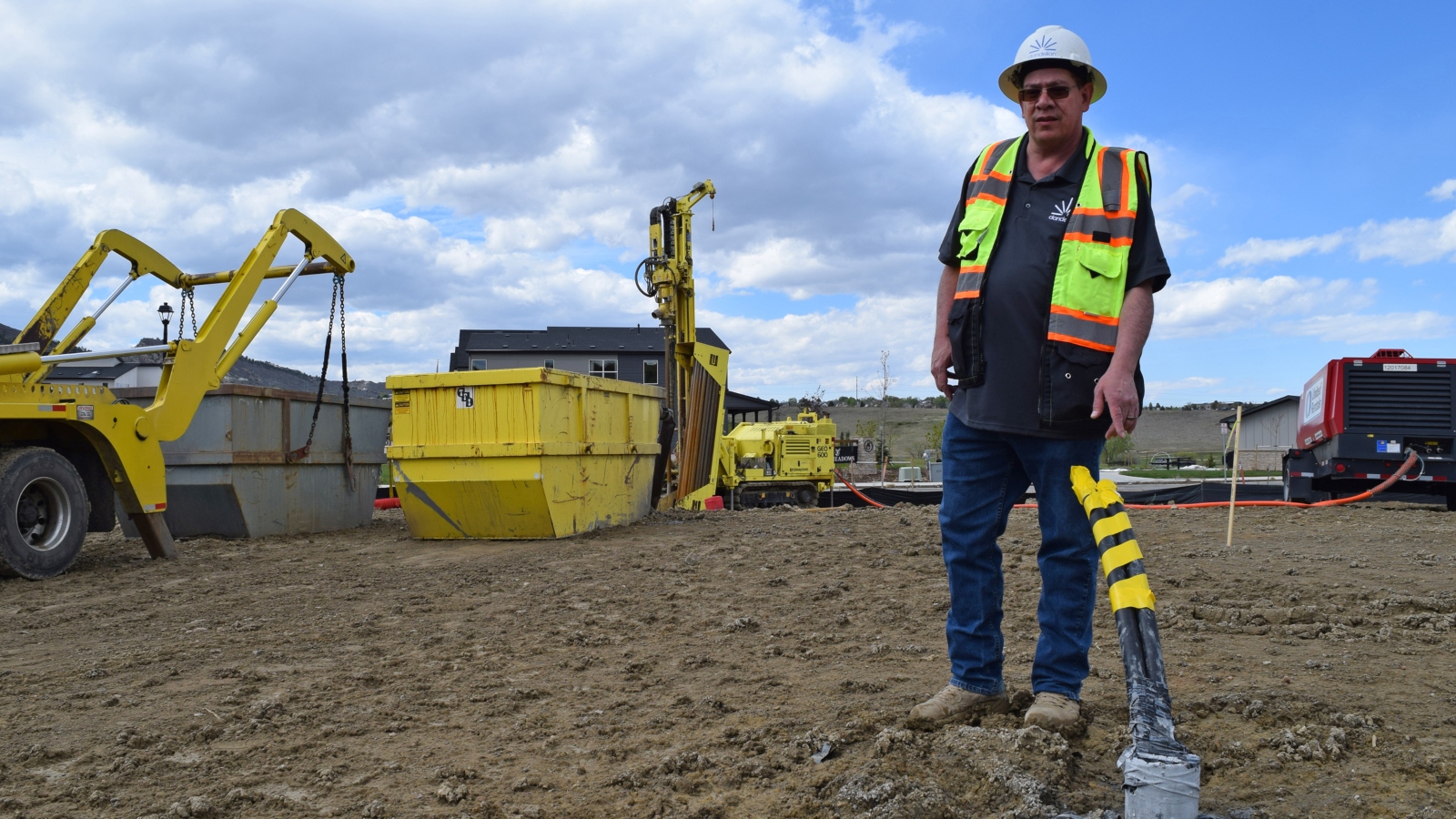
That same summer, 2,500 miles north, a new neighborhood at the base of Colorado’s Front Range quietly hummed with geothermal energy. Nearly 100 homes, built by Lennar and equipped with Dandelion Energy’s ground-source heat pumps, were pulling warmth from the earth—using half the electricity of traditional systems. This wasn’t just green tech; it was scalable, affordable, and already working.
Meanwhile, in Bangladesh, researchers stared in disbelief at the Buriganga River—a toxic sludge of industrial waste where fish can’t survive. And yet, for 10 months straight, they spotted endangered Ganges river dolphins. Twenty of them. Calves among them. "We were amazed at how it was possible," said researcher Md. Aminur Rahman. Life, it seems, refuses to surrender.
These stories aren’t isolated. They’re threads in a larger tapestry of resilience—both human and wild.
In the Amazon, researchers tracked 172 GPS-collared jaguars across eight countries, mapping 307 core habitats and 176 corridors that keep the continent’s apex predator connected from Mexico to Argentina. The study, the largest of its kind, offers a blueprint for continental conservation in an age of fragmentation.
At the same time, in sub-Saharan Africa, scientists analyzed nearly 130,000 restoration sites and found something unexpected: some projects caused "positive leakage"—tree cover increased outside their boundaries. When communities are involved, restoration doesn’t stop at the fence line. It spills over, like hope.
Brazil, meanwhile, is becoming an unlikely hub of green innovation. Renewable energy companies—facing blackouts from overproduction—have found a solution: data centers. As of late 2025, 65% of new data center grid requests came from solar and wind firms. The government, eager to attract tech, passed a law in September 2026 offering tax breaks to data centers powered by clean energy. It’s a win-win: stable demand for renewables, and a cleaner digital future.
Even in the Everglades, where Burmese pythons have devastated ecosystems, scientists are fighting smarter. Using machine learning, University of Florida researchers now prioritize removing large, reproductive females—the "super spreaders" of python populations. One big catch can prevent thousands of offspring.
And in Colorado, a $15 million-under-budget wildlife overpass has brought pronghorn back to migration routes they hadn’t used in decades. It’s proof that when we design for nature, nature responds.
These aren’t fairy tales. They’re data-driven, field-tested, and happening now. From jaguar corridors to solar-powered servers, from geothermal neighborhoods to dolphins in poisoned rivers—life is adapting. And so are we.
The future isn’t just something we survive. It’s something we’re building, one vaccine, one heat pump, one corridor at a time.
Sign in to join the conversation.
Comments (0)
No comments yet. Be the first to share your thoughts.