When Hurricane Francine knocked out power across New Orleans in 2024, Pastor Shawn Anglim didn’t wait for officials to act. By midday, he had opened First Grace United Methodist Church, flipped on the lights powered by solar panels and batteries, and welcomed over 100 neighbors into air-conditioned safety. They charged phones, ran medical devices, and waited out the storm—not as strangers, but as a community with a lifeline.
That church is now one of 14 "Community Lighthouses" in the city—places of worship and community centers equipped with renewable energy to serve as emergency hubs. Born after Hurricane Ida’s 12-day blackout and 11 heat-related deaths in 2021, the network has since expanded to 20 sites across Louisiana, offering not just electricity but DIY internet infrastructure and even volunteer-run ambulance services.
This isn’t just disaster response. It’s a quiet revolution in what community means.
In Ohio City, Cleveland, a similar spirit is taking root. Volunteers recently cleaned Market Square Park ahead of Oktoberfest, but they weren’t just picking up trash—they were launching a new tool-sharing library funded by a $5,000 grant from The Home Depot Foundation. Soon, residents will be able to borrow rakes, shovels, and power tools for neighborhood projects or home repairs.
"We want to help supply the community with things that keep them coming back," said Mia Basit Hightower of Ohio City Incorporated. "This is something we’ve been stirring up for a while."
It turns out that when people have access to tools—literal and emotional—they show up.
In Norway, researchers at NTNU studied over 800 students aged 8 to 16 and found that intrinsic motivation mattered more than working memory in predicting long-term improvement in math skills. As lead researcher Astrid Hoås Morin put it: "Our findings suggest that motivation is more important than cognitive capacity for whether a student improves."
The lesson? Potential isn’t fixed. It grows where people feel safe, seen, and supported.
That sense of security is exactly what KAIST researchers in South Korea identified as key to healthy dissent in groups. When members feel securely attached—valued and accepted—they’re more likely to voice unpopular opinions, and others are more willing to listen. This "group attachment security" doesn’t silence disagreement; it strengthens it.
Meanwhile, in England, the National Year of Reading is challenging assumptions about who reads, what counts, and in which language. A recent survey found that multilingual readers—nearly one in four elementary students—report higher enjoyment and read more often when they can access books in their home languages. At a festival hosted by the University of Reading, educators and publishers celebrated bilingual poetry, tactile books, and translations in Arabic and French, arguing that linguistic diversity isn’t an add-on—it’s essential.
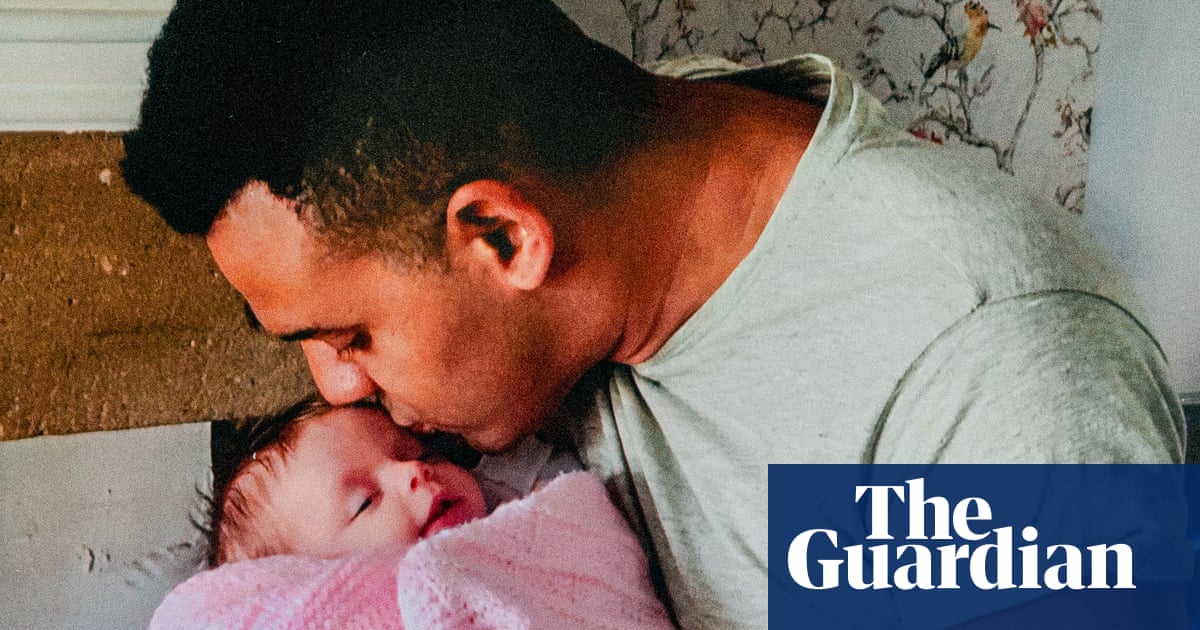
And then there’s Clive, the primary school headteacher in Wales who answered a call from social services one afternoon expecting to talk about a student—only to be asked if he’d take in his six-week-old niece, Savannah, immediately.
"You have 10 minutes to decide," he was told.
He had no crib, no stroller, no idea how to change a diaper. But he said yes.
"I said yes—and deal with the consequences later."
His story, shared by The Guardian, echoes thousands of kinship caregivers across England and Wales who step in without training, pay, or fanfare—motivated not by policy, but by love.
Back in East Anglia, researchers are studying how digital platforms like Letter Swap are helping adopted children stay connected to birth families through photos, voice notes, and videos—modernizing a system built on annual paper letters. "Maintaining relationships from before adoption is beneficial to lifelong identity," says Dr. Julia Rimmer. "But it must be safe and meaningful."
From Leiden University, Luyao Huang’s research on interdisciplinary student teams adds another layer: collaboration works best when people feel psychologically safe to contribute across boundaries.
All of these threads—solar panels, shared tools, motivational sparks, secure attachments, multilingual stories, digital bridges, and kinship love—point to the same truth: community isn’t just a place. It’s a practice. It’s what happens when we choose to show up, share resources, and say yes—even when we don’t know how.
Sign in to join the conversation.
Comments (0)
No comments yet. Be the first to share your thoughts.