Ronald Sakolsky stepped off the bus in Inner Mongolia and froze. Before him stretched a forest of 50,000 trees—oaks, willows, pines—where once there had been only sand dunes and silence. Twenty-six years earlier, he’d handed $5,000 to a farmer named Yin Yuzhen, who vowed to stop the desert from swallowing her home. He didn’t know if it would work. Now, standing beneath a canopy of leaves, he whispered, “It’s real.”
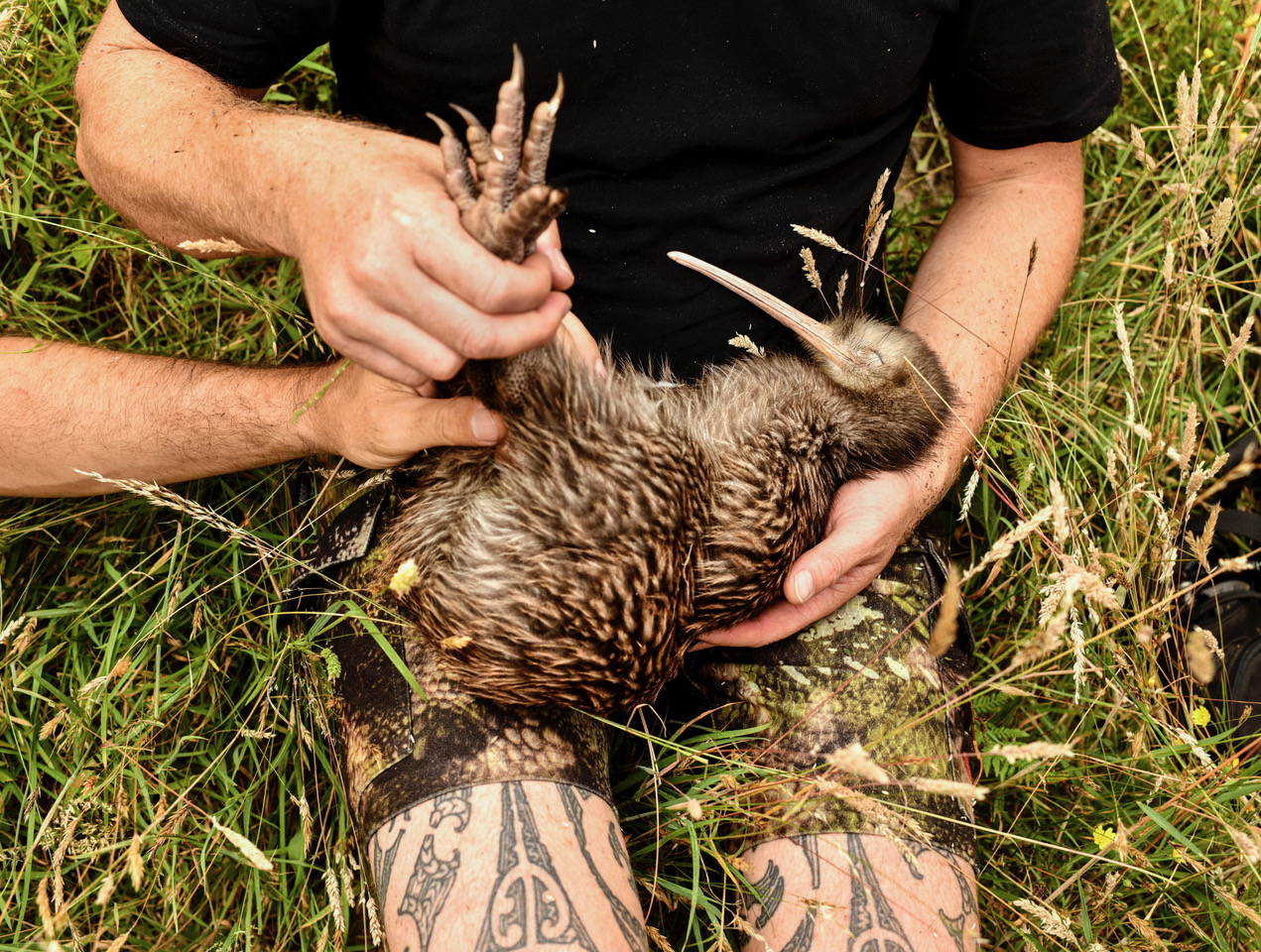
Half a world away, in Wellington, Aotearoa New Zealand, a different kind of miracle unfolded. For the first time in 150 years, kiwi birds—flightless, nocturnal, and once nearly erased from the region—rustled through the underbrush of the city’s hills. More than 250 of them had been carefully translocated by the Capital Kiwi Project, a collaboration between iwi (Māori nations), landowners, and community volunteers. “This is a relational project as much as a conservation project,” said Paul Ward, the project’s founder. “If you pull one leg off the tripod—iwi, community, landowners—the whole thing falls over.”
And in 2025, the Earth itself seemed to exhale.
According to a global carbon budget study published on arXiv, the planet’s land ecosystems absorbed nearly three times more carbon than the year before. The atmospheric CO₂ growth rate dropped from 3.76 ppm in 2024 to just 2.06 ppm—despite fossil fuel emissions rising by 0.7%. The land sink, strengthened by 2.81 gigatons of carbon, was the dominant force behind this slowdown. Forests, grasslands, and wetlands weren’t just surviving—they were healing, breathing in what we kept pouring out.
This resurgence wasn’t accidental. It was fueled by people who refused to accept decline as destiny.
In Greater Manchester, the Lancashire Wildlife Trust transformed a former coal mine at Cutacre into a thriving mosaic of wildflower meadows, ponds, and grazing land. Dyer’s greenweed, a plant once functionally extinct in the region, now blooms again, nurtured by plug plants grown in partnership with local conservationists. Across the UK, groups like The Wildlife Trusts are demanding that green spaces be treated as “essential infrastructure”—not luxuries, but necessities for health, climate resilience, and biodiversity.
Meanwhile, scientists are arming policymakers with tools to stop destruction before it starts. Researchers behind the Carbon Impacts Tracer—an open-source climate model—can now quantify exactly how much warming and damage a new coal or gas project will cause. No more “drop in the ocean” excuses. Every ton of CO₂ has a name, a cost, a consequence.
And innovation is accelerating. At Oregon State University, a team led by Kyriakos Stylianou developed a new family of metal-organic frameworks (MOFs) that act as powerful photocatalysts, using sunlight to split water and produce clean hydrogen fuel. These materials, with their tunable nanoscale pores, could one day turn solar energy into storable, scalable green fuel—without emitting a single gram of CO₂.
Even our minds are part of the solution. A study in Current Opinion in Psychology found that reading fiction doesn’t just entertain—it builds empathy, language skills, and emotional intelligence. When we imagine a character’s fear, joy, or grief, we practice understanding others. In a world fracturing under polarization, this quiet act of reading may be one of our most radical forms of climate action: fostering the compassion needed to care for people, species, and ecosystems beyond ourselves.
From Inner Mongolia to Wellington, from coal mines to classrooms, a pattern emerges: healing is possible. It is local. It is relational. It is measurable. And it is growing.
We are not just damaging the planet—we are learning how to mend it. The tools are here. The stories are real. The question is no longer whether we can change, but whether we will choose to, together.
Sign in to join the conversation.
Comments (0)
No comments yet. Be the first to share your thoughts.