In Eugene, Oregon, 4,000 volunteers knocked on doors for 100 days straight—collecting enough signatures to put a clean energy jobs fund on the November ballot. "There was definitely something in the air," said Aya Cockram, co-chief petitioner and Oregon Energy Transition Organizer. "People here want to meet the climate crisis with locally driven solutions."
Meanwhile, halfway around the world, South Africa's power grid quietly achieved something remarkable: zero load shedding so far in 2026, even as the country now hosts over 8.3 gigawatts of rooftop solar on homes and businesses. The distributed energy surge was so massive that Johannesburg-based startup Plentify just partnered with Deye to build Africa's largest residential virtual power plant—turning hundreds of thousands of solar-and-battery setups into a single coordinated grid resource.
Back in the United States, utility-scale battery storage hit nearly 52 gigawatts by mid-2026, up from 43.6 gigawatts just a year prior—a staggering 70% annual growth rate over three years. The Energy Information Administration projects another 54 gigawatts coming online by 2028. At the National Laboratory of the Rockies, scientists like Bennett Addison are using 80-year-old nuclear magnetic resonance technology to verify whether the materials in these batteries and semiconductors are actually what companies think they are. "Did you really make what you think you made?" Addison asks every researcher who walks through his door. More often than not, the answer is no—but now they know why.
The electric vehicle market tells a similar story of momentum finding its way. BYD, the world's largest EV maker, saw battery-electric sales surge 31% year-over-year in July, hitting 233,105 units—a rebound after a sluggish start to the year. Volkswagen's new SAIC partnership just filed for the ID. ERA 5X, its first fully electric vehicle under the new architecture, with pre-sales launching August 11. And in New Zealand, where EV adoption had plummeted from 37.7% market share to just 2% after incentive rollbacks, plugin vehicles are clawing their way back toward 30%—battery-electric sales up 231% over last year.
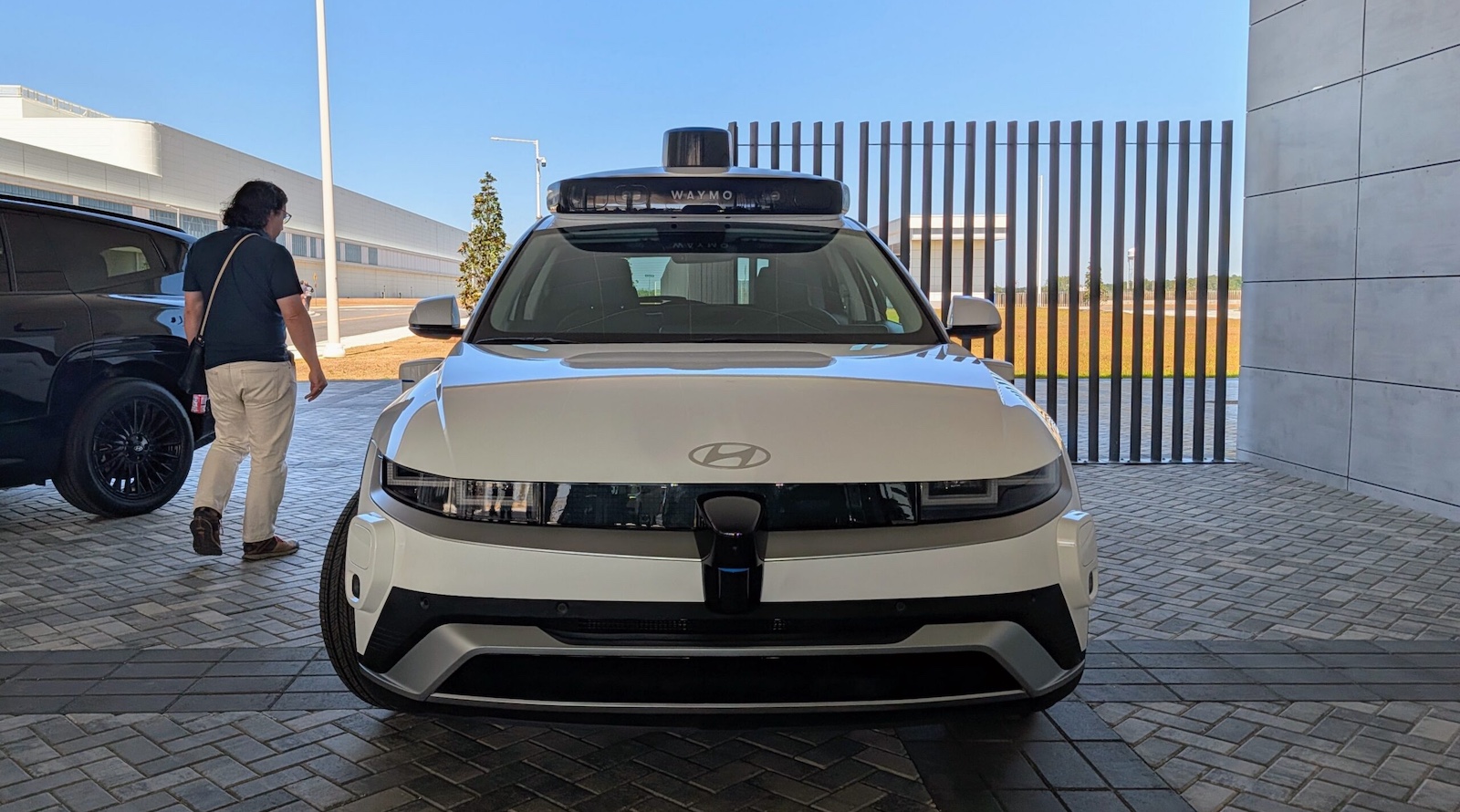
Waymo co-CEO Dmitri Dolgov, speaking at Y Combinator, distilled the philosophy driving these advances: "There's simply not an undo and a retry button." His company has logged millions of miles of fully driverless trips by refusing to rush. The same patience is showing up in battery labs, community campaigns, and grid modernization projects worldwide. The energy transition isn't a single bolt of lightning—it's thousands of careful decisions adding up to something that looks, increasingly, like a system-wide transformation.
Sign in to join the conversation.
Comments (0)
No comments yet. Be the first to share your thoughts.