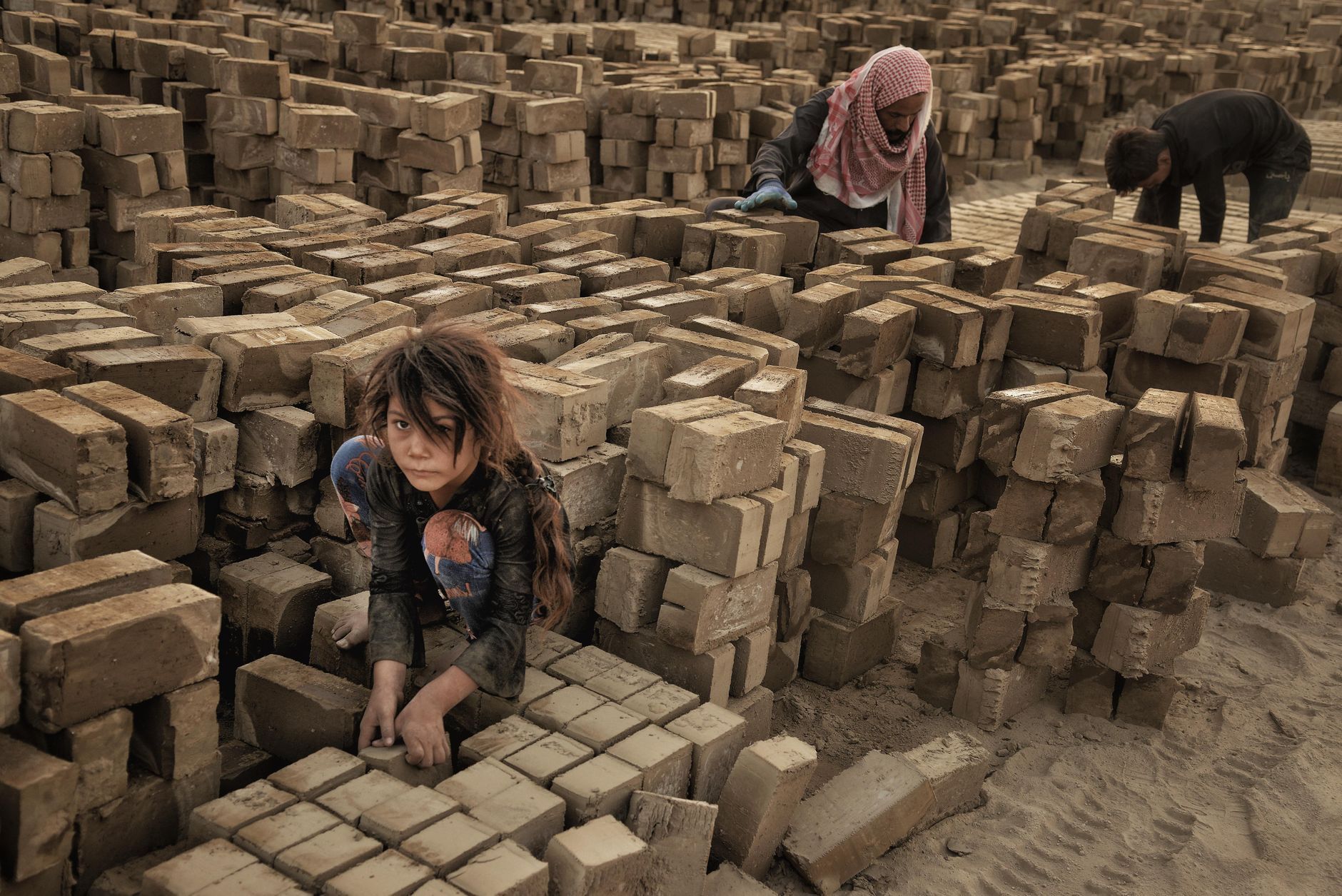
A Road Built by the People Who Needed It Most
Outside Bamako, a freshly paved road stretches through the Sahel dust. It wasn't built by a distant contractor or a foreign crew — it was built by the people who needed work most. ILO Director-General Gilbert F. Houngbo stood before the cameras there this April, inaugurating a section of road constructed through the ILO's Employment Intensive Investment Programme (EIIP). The project, spanning Burkina Faso, Mali, and Niger, turns infrastructure spending into direct employment — and it signals something larger happening across the globe right now.
In a single week in April 2026, the International Labour Organization made moves on five continents. Each story is different. Together, they form a portrait of what it looks like to rebuild the world of work — from the ground up, one country at a time.
Sri Lanka's Historic Commitment
On April 16, Sri Lanka became the 55th ILO member state to ratify Convention No. 190 — the landmark agreement on eliminating violence and harassment in the world of work. It's a number worth sitting with: 55 countries have now made a legally binding commitment to protect workers from sexual harassment, intimidation, and abuse, regardless of their employment status or sector.
For Sri Lanka, the ratification is more than a signature. It sends a signal to employers, workers, and survivors alike that the country is aligning its labor protections with international standards. As the ILO reports, C190 covers not just formal workplaces but also informal economies, commuting, and digital work environments — an acknowledgment that harassment doesn't clock out when the office does.
From Vientiane to Seminyak: Skills and Small Business
Across Asia, two quieter but equally consequential stories unfolded. In Laos, a comprehensive ILO study — supported through the ILO/China Partnership Programme — exposed deep skills mismatches and gender gaps in the country's labor market. The findings are a call to action: workers are being trained for jobs that don't exist, while the jobs that do exist can't find qualified people to fill them. Women, the report makes clear, bear a disproportionate share of that burden.
Meanwhile, in the resort town of Seminyak, Bali, something practical was taking shape. In a joint press release published April 3, the Association of Business Development Services Indonesia (ABDSI) and the ILO announced a national roadmap to strengthen development services for micro, small, and medium enterprises (MSMEs) — the backbone of Indonesia's economy. The roadmap is designed to sharpen the competitiveness of businesses that often fall through the cracks of formal support systems, connecting training, financing, and mentorship into a coherent national strategy.
Beirut's Green Comeback
Last autumn, cyclists wound through Horsh Beirut — one of the Lebanese capital's few green lungs — as part of an ILO-supported initiative to revive the park and promote sustainable, inclusive public spaces. In a city still carrying the weight of economic collapse and the 2020 port explosion, a biking session in a public park is not a small thing.
As the ILO's April 16 article describes, the project sits at the intersection of green jobs, community engagement, and the Sustainable Development Goals. Decent work, the initiative reminds us, isn't only about wages and hours. It's also about cities that are livable — parks that are safe, public spaces that welcome everyone.
Vietnam and the Business Case for Doing Right
In Hanoi, the ILO and the Vietnam Chamber of Commerce and Industry (VCCI) advanced a shared agenda on responsible business conduct — pushing Vietnamese companies toward supply chain transparency, fair labor practices, and environmental accountability. Employers organizations like VCCI are increasingly seen not as obstacles to labor rights but as essential partners in achieving them, a shift that reflects a maturing conversation between business and labor globally.
That shift is also the premise of "Business Is Not as Usual," a new ILO webinar series launching this April for business leaders worldwide. Season II of the series tackles the workplace challenges that are reshaping employment in the digital age — AI, platform labor, remote work — and what responsible employers should be doing about them. The ILO is betting that business leaders, given the right forum and the right data, will rise to the moment.
The Thread Running Through It All
A road in the Sahel. A ratified convention in Colombo. A skills report in Vientiane. A park in Beirut. A roadmap in Bali. A chamber of commerce in Hanoi.
These aren't isolated policy announcements. They are proof points in a single, slow-moving argument: that decent work — fairly paid, safely performed, free from harassment, and open to everyone regardless of gender — is not a luxury for wealthy nations. It is infrastructure, as essential as any road.
The week of April 17, 2026 won't make history on its own. But moments like it, stacked one upon another, are how the world changes. And for millions of workers from Bamako to Beirut to Seminyak, change — real, tangible, legally backed change — is already underway.
Sign in to join the conversation.
Comments (0)
No comments yet. Be the first to share your thoughts.